
Wilpattu The largest park, the quietest: leopards among 106 lakes
The place
Wilpattu is the island's largest national park at 1,317 sq km, 30 km west of Anuradhapura and about 180 km north of Colombo. It was declared a sanctuary in 1905 and a national park on 25 December 1938, and it is named for its villus, the natural sand-rimmed lakes of which there are about 106. Leopards are the draw, with sloth bears and elephants; a 2018 camera-trap survey counted 133 individual leopards.
The park was closed from 1988 to 2003 during the civil war, and only about a quarter of it is open to visitors, which is part of why it stays quiet where Yala is busy. The main gate is at Hunuwilagama on the Puttalam to Anuradhapura road, with a second at Eluwankulama from the Puttalam side, and the coast comes down to the headland of Kudiramalai Point.
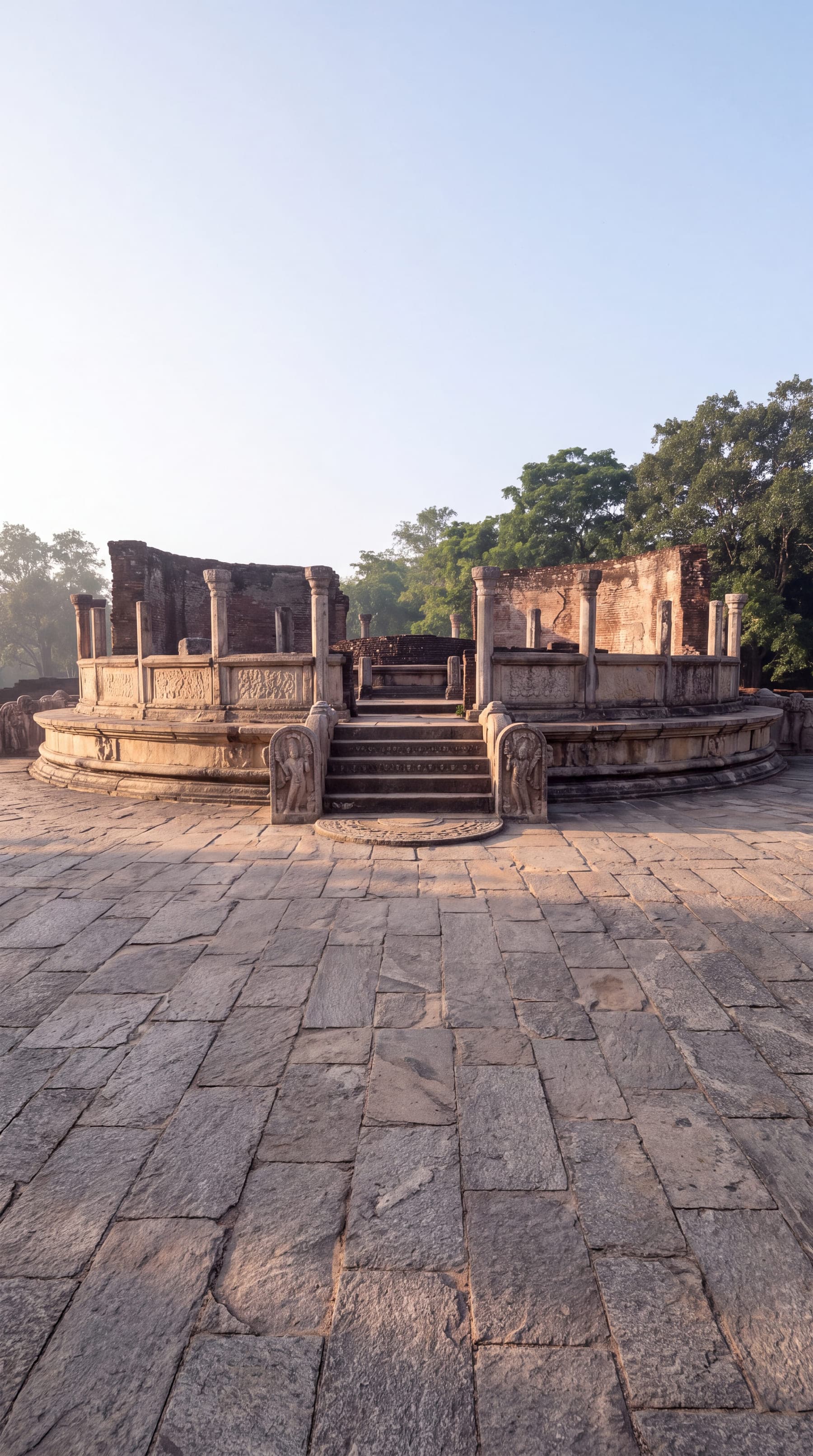
Photograph above: Aldshakya, CC BY-SA 4.0, cropped and colour-graded, via Wikimedia Commons
When to go
March to September
Wilpattu is in the dry zone of the north-west, so the north-east monsoon, roughly October to January, and the March inter-monsoon rains are its only rain. March to September gives the best tracks and sightings.
Getting there
- By road, 3.5 to 4 hours from Bandaranaike International Airport to the Hunuwilagama gate.
- Anuradhapura station, on the Northern Line, is 30 to 35 km east of the gate.
- By air, Cinnamon Air lists Anuradhapura for charter.
Worth seeing
The villus
About 106 natural lakes and tanks that give the park its name.
Kudiramalai Point
Horse Point, the coastal headland.
Hunuwilagama gate
The main entrance, on the Puttalam to Anuradhapura road.
Eluwankulama gate
The entrance from the Puttalam side.
Asked often
- When is the best time to visit Wilpattu?
- March to September. Wilpattu is in the dry zone of the north-west, so the north-east monsoon, roughly October to January, and the March inter-monsoon rains are its only rain. March to September gives the best tracks and sightings.
- How do you get to Wilpattu?
- By road, 3.5 to 4 hours from Bandaranaike International Airport to the Hunuwilagama gate. Anuradhapura station, on the Northern Line, is 30 to 35 km east of the gate. By air, Cinnamon Air lists Anuradhapura for charter.
In Explore
Open Wilpattu in Explore to choose your stay, your room and your experiences, and add them to your journey.
Where to stay in Wilpattu
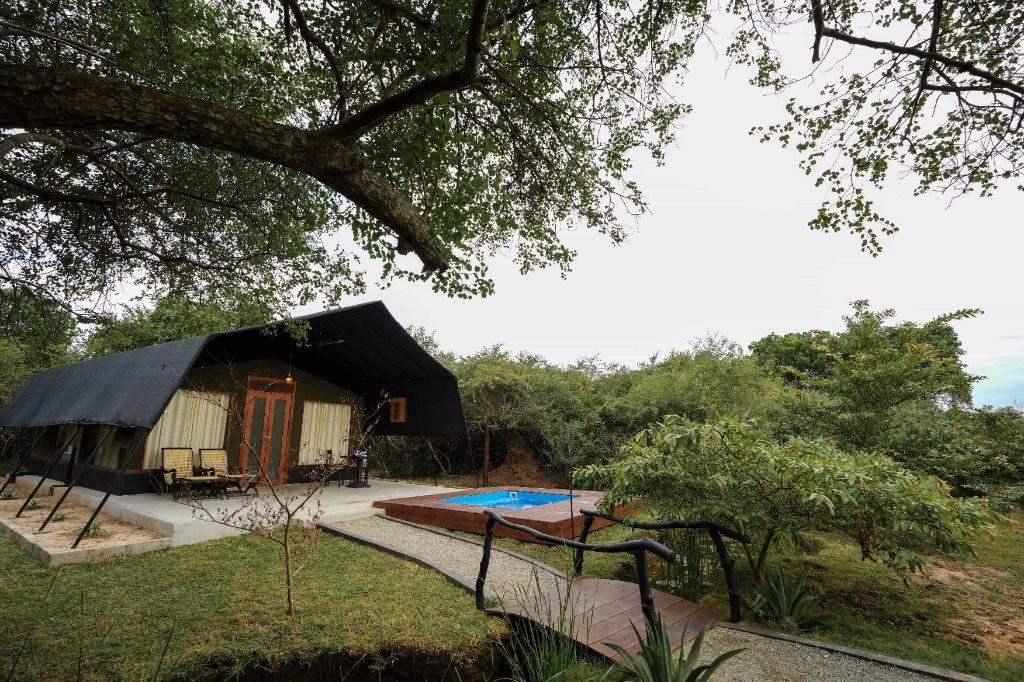 Tented campLeopard Trails WilpattuA tented camp in the buffer zone of Wilpattu National Park
 Tented campMahoora Elite Camp WilpattuAn 8-acre private site on the eastern bank of a lake near the southern boundary of Wilpattu, about 7 km from the park entrance
 Tented campWilpattu Safari CampA 5-acre patch of forest between rice fields, chena plots and the park boundary, under 10 minutes from the Wilpattu entrance
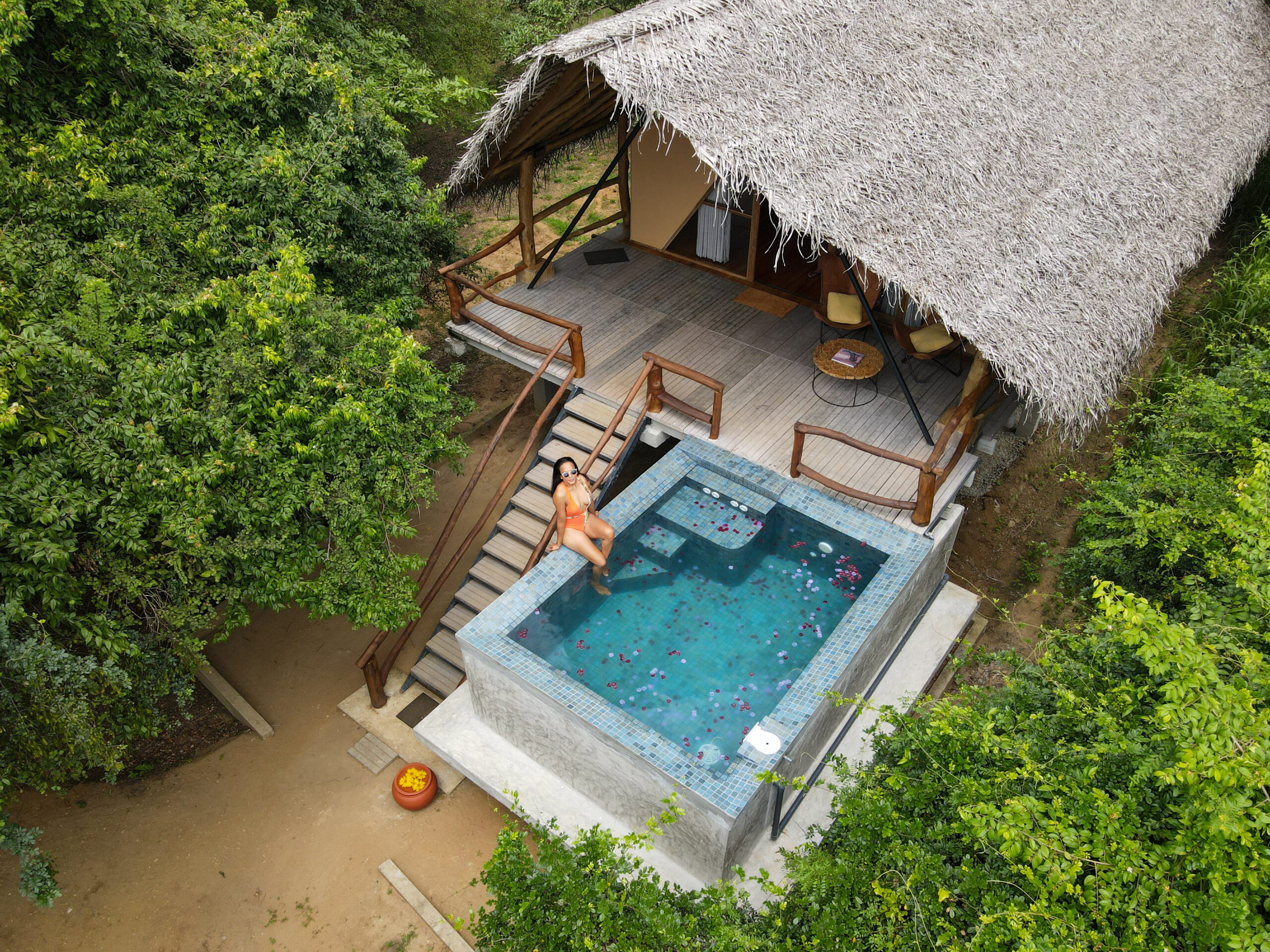 Tented campThamaravila WilpattuRookada Weva Road, Horuvila, on 9 acres 4.3 km (about 10 minutes) from the Wilpattu entrance
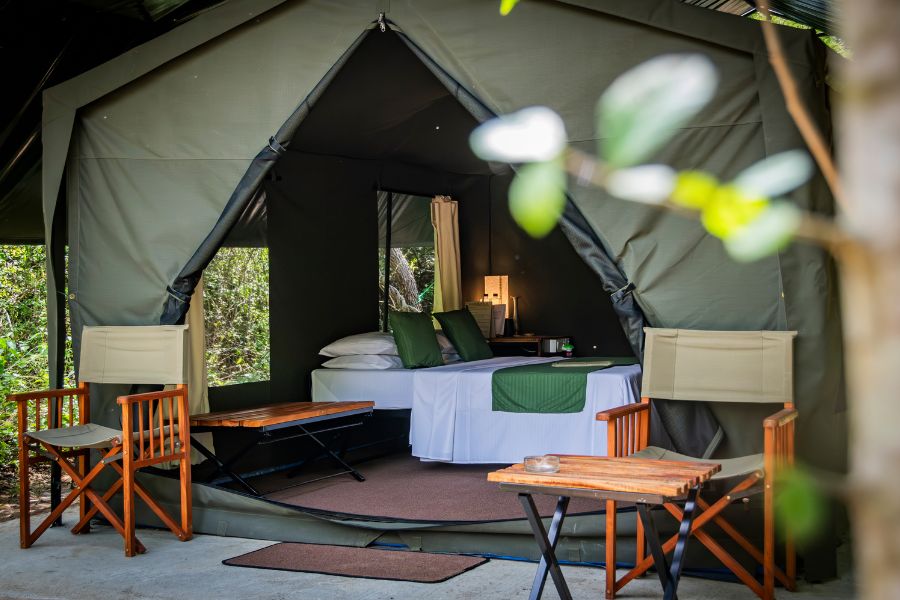 Tented campBig Game Camp WilpattuBush forest on the eastern bank of an old reservoir near the southern boundary of Wilpattu, about 7 km from the park entrance
Things to do from Wilpattu
- Culture and heritage · 4 to 5 hours, with about 10 km of flat ridingThe Sacred City of Anuradhapura by bicycleAnuradhapura was the island's first capital, founded in the 4th century BCE and a royal city for more than 1,300 years, and its Sacred City has been a UNESCO World Heritage Site since 1982. It holds the Sri Maha Bodhi and the great stupas of Ruwanwelisaya, Jetavanaramaya and Abhayagiri, among the tallest ancient brick structures ever built, with the twin ponds of Kuttam Pokuna and ancient reservoirs still in use.
- Culture and heritage · an evening, from about 17:00 to 19:00Dusk at the Sri Maha Bodhi on a full moon dayThe Jaya Sri Maha Bodhi is a sacred fig grown from a sapling of the tree under which the Buddha attained enlightenment, brought to the island in the 3rd century BCE and held to be the oldest documented planted tree in the world. Beside it rises Ruwanwelisaya, the great white stupa begun by King Dutugemunu in the 2nd century BCE.
- Nature and wildlife · a half day from about 06:00, or a full day inside the parkA leopard safari in WilpattuWilpattu, 1,317 sq km of dry-zone forest and scrub on the north-west coast, is the island's largest national park and is named for its villus, some 106 natural, sand-rimmed lakes and tanks. A 2018 camera-trap survey counted 133 leopards, and sloth bears, elephants, sambar and spotted deer share the forest with mugger crocodiles and water birds.
- Water and coast · a morning, with boats leaving at about 06:30; Kalpitiya is about 2 hours by road from the park's main gateDolphin watching off KalpitiyaOff the Kalpitiya peninsula, across the water from Wilpattu, dolphins gather most of the year, and pods of more than 1,000 have been recorded, which gives the best chance of large groups anywhere in Sri Lanka. Spinner, bottlenose, striped and Fraser's dolphins are found here, and whales are most likely in November, March and April.
- Culture and heritage · a late morning, between the game drivesA village walk on the edge of WilpattuThe camps on the southern edge of Wilpattu sit among farming villages, seasonal rice fields and chena plots, and some take guests out on foot to meet their neighbours: a walk through a village beside the park, with the chance to share a cup of tea in a family home. At night the farmers here set off crackers to keep elephants away from their crops.
- Nature and wildlife · about 90 minutes, from about 16:30A sunset walk to a tank outside WilpattuOutside the park boundary, the land around the camps is villages, chena plots and small tanks, and elephants come to some of these tanks to drink and bathe. Some camps lead a walk with a naturalist at the end of the day to a tank nearby, through a village and its fields, to watch for elephants and forest birds as the sun goes down.
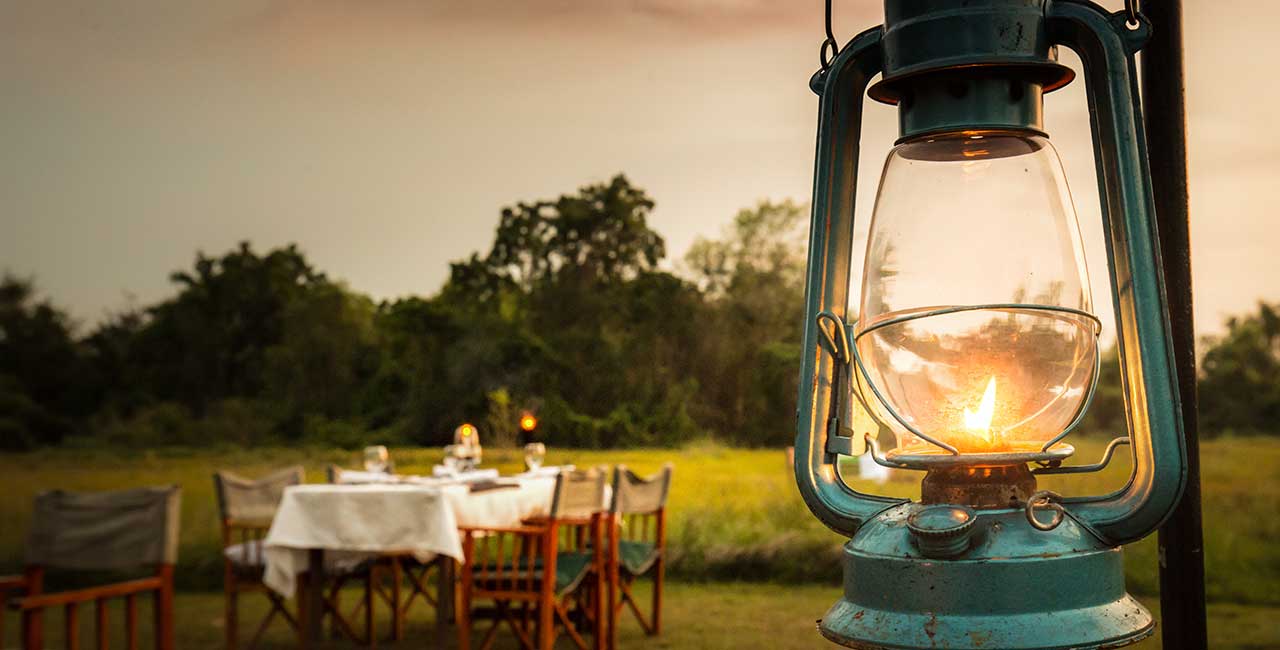
- Dining · an evening, after the afternoon game driveDinner by the campfire at a Wilpattu campEvenings at the tented camps around Wilpattu are spent outdoors. The park closes to visitors at 18:00, and after the afternoon drive guests gather round the campfire for a drink before dinner is served in the open, as a barbecue by the fire or a longer dinner at candlelit tables under the trees and the stars.
- Culture and heritage · part of a morning or afternoon, beside the Tissa Wewa reservoirIsurumuniya's rock carvings and the royal gardensIsurumuniya is a rock temple beside the Tissa Wewa reservoir, founded by King Devanampiya Tissa in the 3rd century BCE for 500 newly ordained monks and restored in the 5th century by Kasyapa I. Its granite boulders are carved in relief with elephants bathing at the edge of the pool and a seated man with a horse's head behind him, and the temple's small museum, opened in 1984, keeps the carving known as the Lovers and a panel of a royal family.
- Culture and heritage · a daytime visit, 09:00 to 16:30; closed on Tuesdays and public holidaysThe Archaeological Museum of AnuradhapuraThe Archaeological Museum near Ruwanwelisaya was established in 1947 through the work of the archaeologist Senarath Paranavithana, and it is the oldest and largest archaeological museum of the island's Department of Archaeology. It holds the country's largest collection of inscriptions, alongside finds from the excavation of the ancient city.
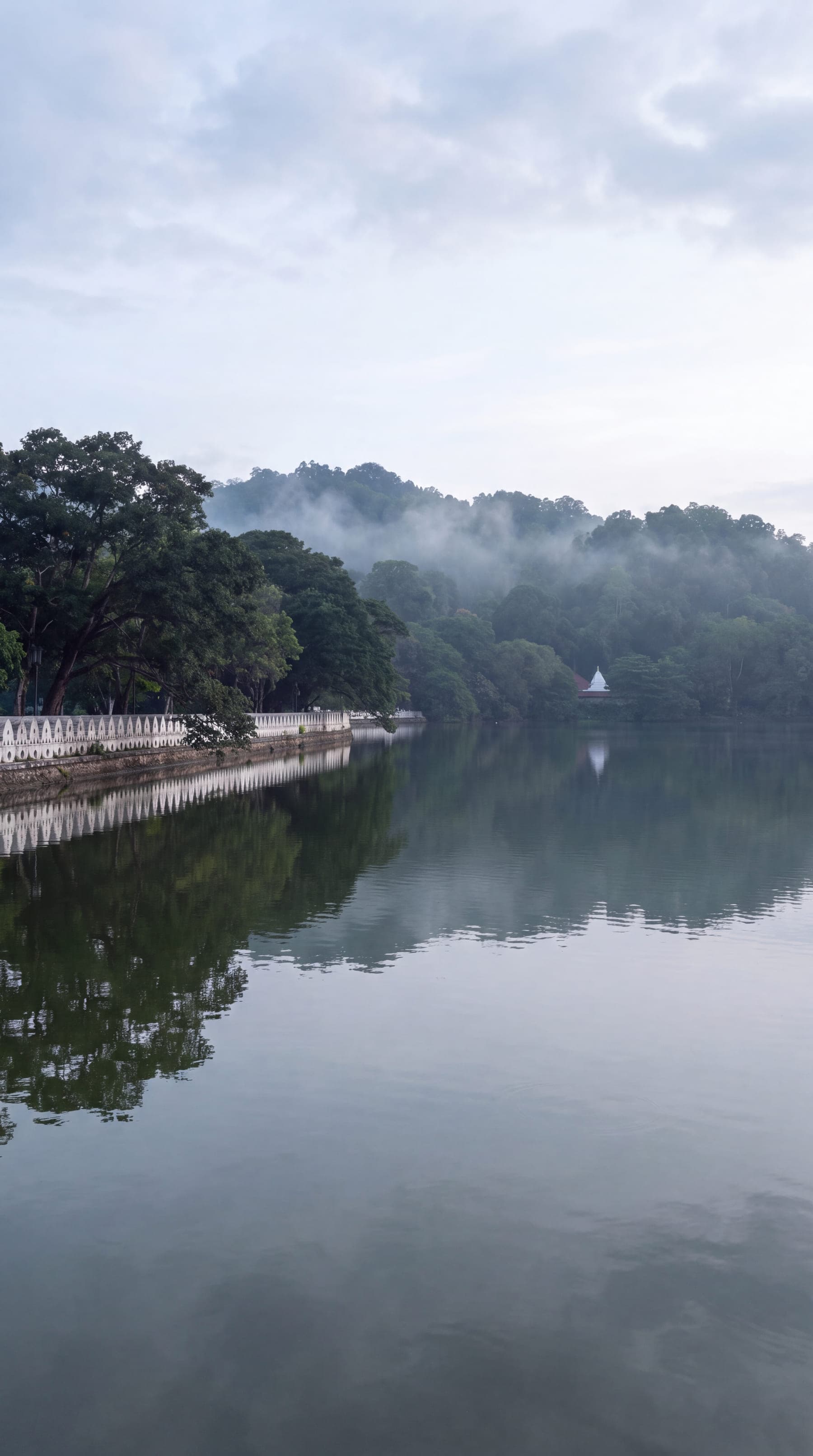 KandyThe last royal capital, the Temple of the Tooth, a World Heritage Site
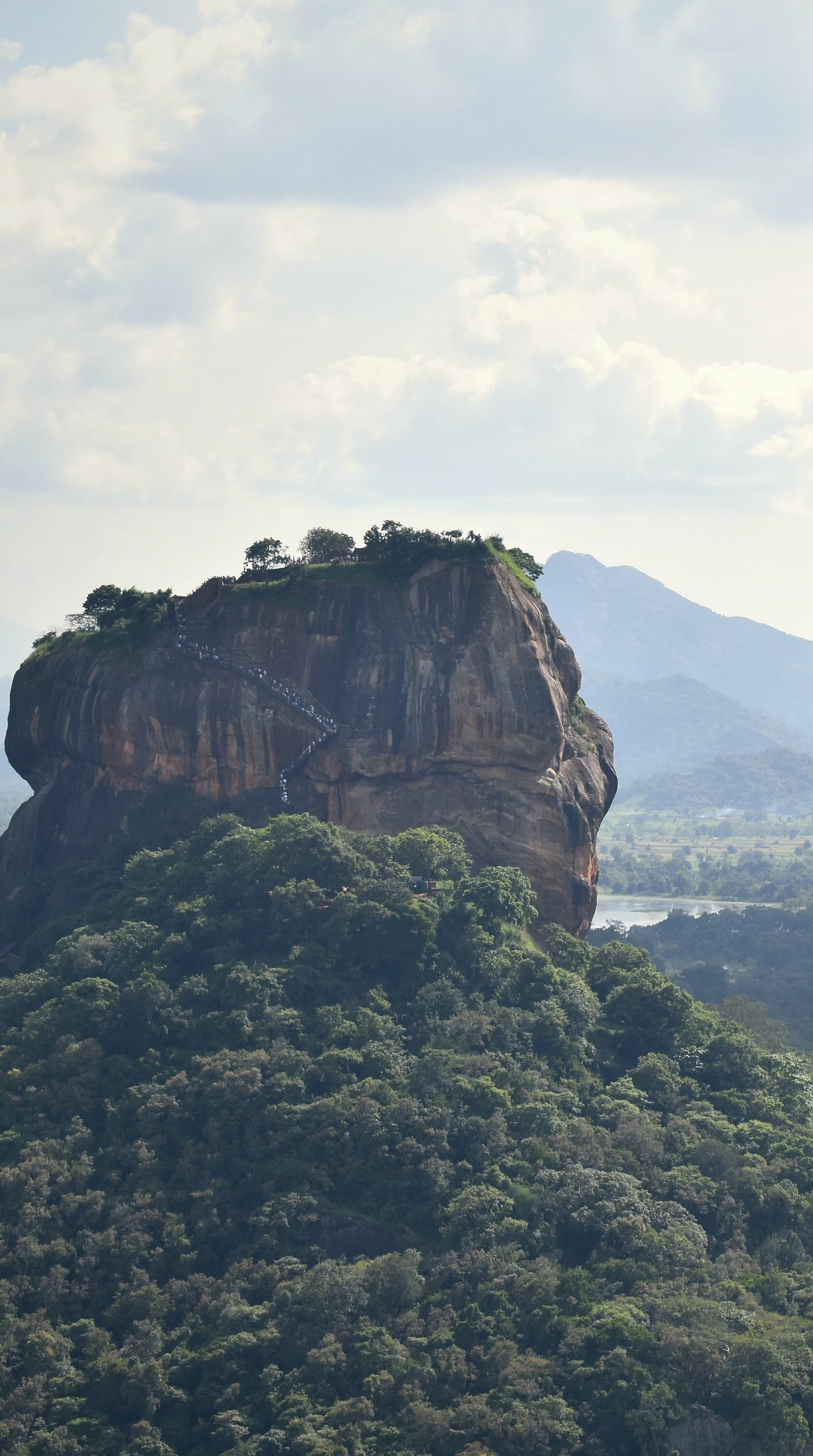 SigiriyaThe 5th-century rock fortress, 180 m above the plain
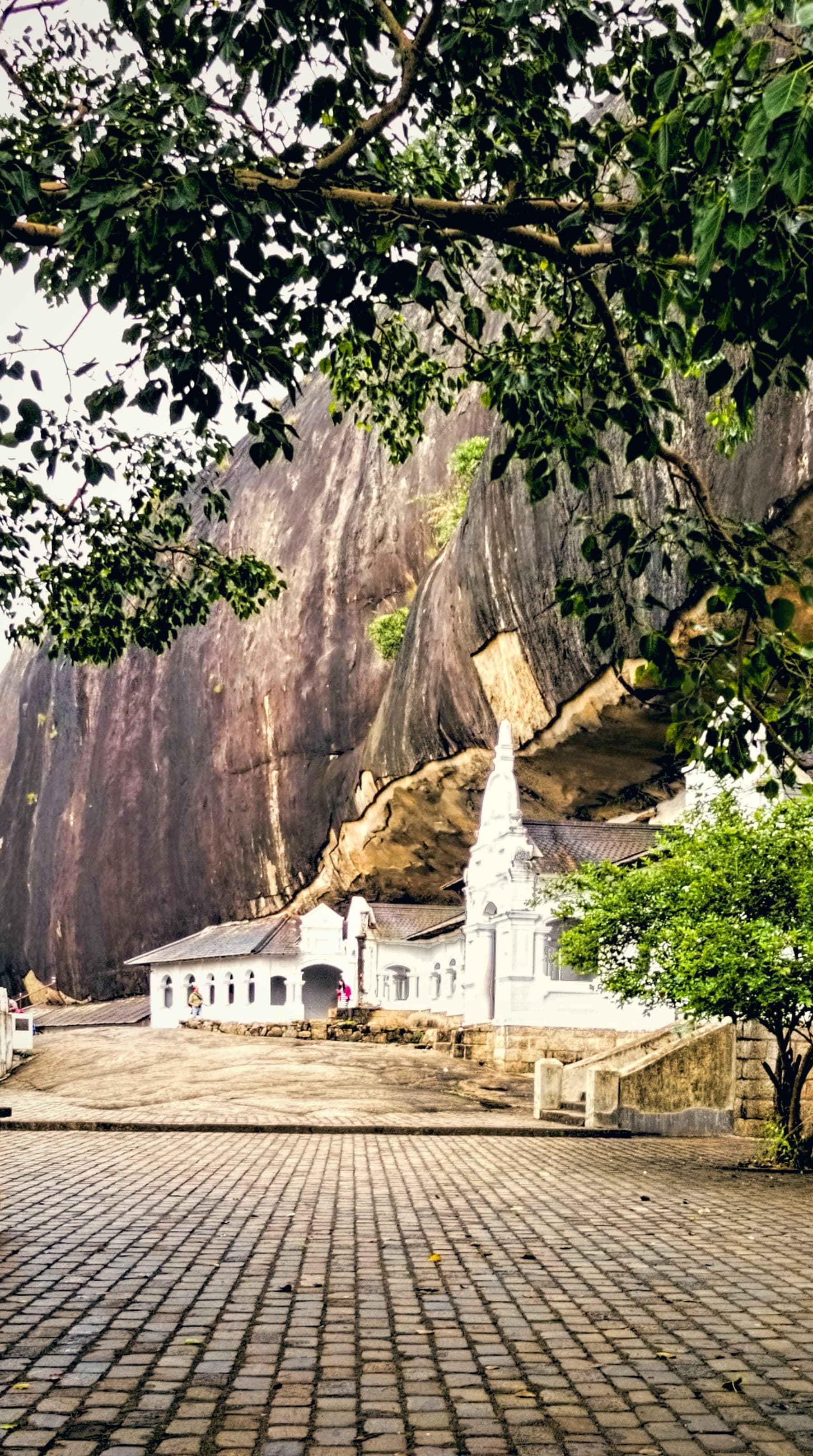 DambullaThe cave temple with 153 Buddhas, at the hub of the Cultural Triangle
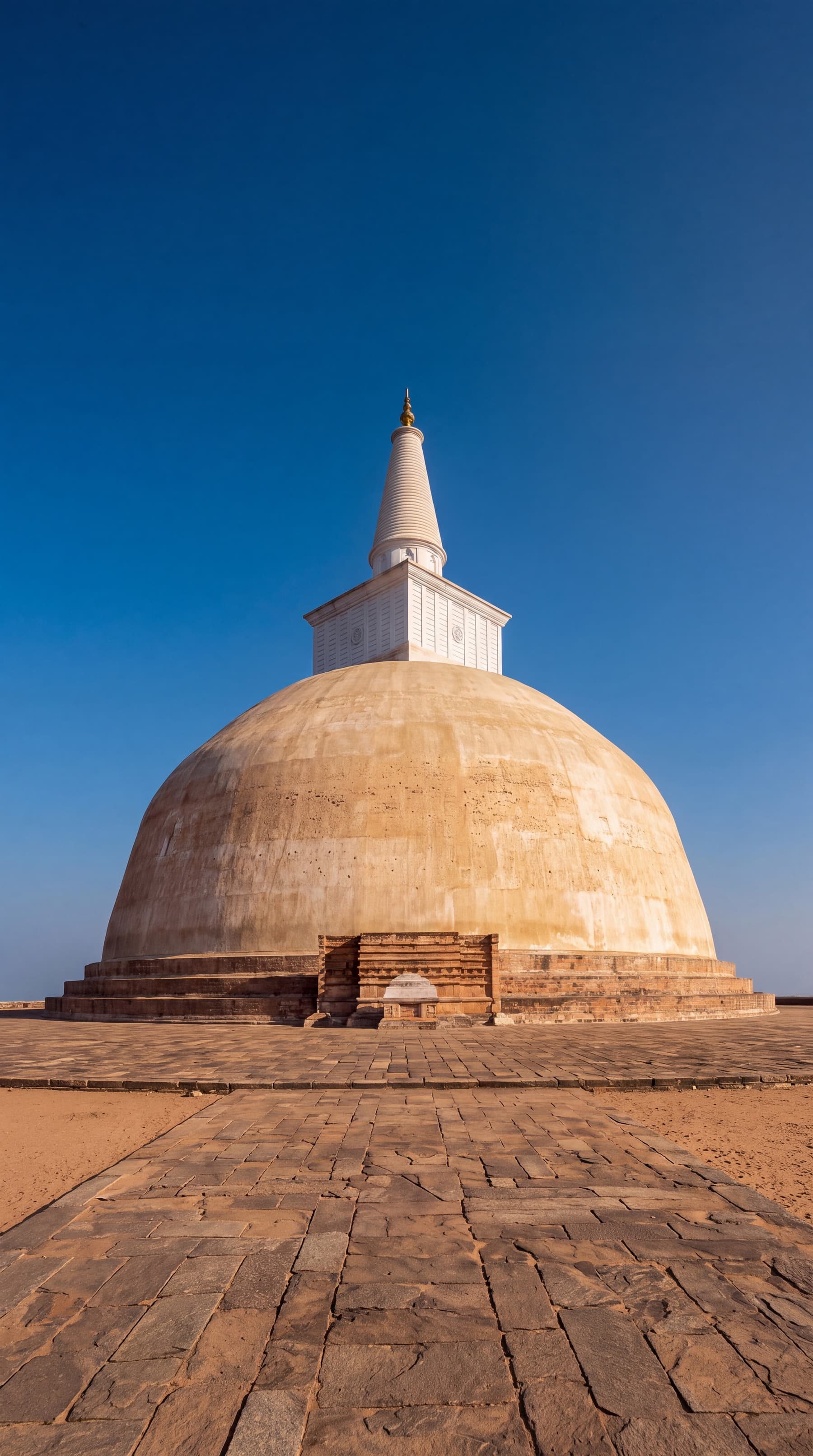 AnuradhapuraThe first capital, 1,400 years of it, and the oldest planted tree on earth
 PolonnaruwaThe second capital: Gal Vihara's Buddhas beside the great reservoir
Wilpattu in your journey? Build it in Explore.