
Dambulla The cave temple with 153 Buddhas, at the hub of the Cultural Triangle
The place
Dambulla is a market town in Matale District, 148 km north-east of Colombo and 72 km north of Kandy, the hub of the Cultural Triangle and the country's main wholesale vegetable market. The Rangiri Dambulla Cave Temple is a UNESCO World Heritage Site, listed in 1991: the largest and best preserved cave temple complex in Sri Lanka, with 153 Buddha statues and 2,100 sq m of murals across its 5 main caves under a 160 m rock.
Around the town are the Ibbankatuwa megalithic tombs, burials 2,700 years old 3 km from the temple, and Jathika Namal Uyana, an ironwood forest on the largest rose quartz range in South Asia. Its cricket stadium was built in 167 days. Sigiriya and the Kandalama reservoir are each a short drive.
Photograph above: Dan Lundberg, CC BY-SA 2.0, cropped and colour-graded, via Wikimedia Commons
When to go
February to September
In the dry zone the north-east monsoon, roughly October to January, brings the rain; the rest of the year is dry.
Getting there
- By road from Bandaranaike International Airport, on the way to Sigiriya, which is 3.5 to 5 hours and about 20 km further.
- Habarana, on the Trincomalee and Batticaloa lines, is the nearest station; there is none in Dambulla.
- By air, Cinnamon Air's scheduled seaplane to Sigiriya is the nearest point.
Worth seeing
Dambulla Cave Temple
5 main caves under a 160 m rock, 153 Buddha statues.
Ibbankatuwa megalithic tombs
2,700-year-old burials 3 km from the temple.
Jathika Namal Uyana
The ironwood forest and the largest rose quartz range in South Asia.
Rangiri Dambulla International Stadium
Built in 167 days.
Asked often
- When is the best time to visit Dambulla?
- February to September. In the dry zone the north-east monsoon, roughly October to January, brings the rain; the rest of the year is dry.
- How do you get to Dambulla?
- By road from Bandaranaike International Airport, on the way to Sigiriya, which is 3.5 to 5 hours and about 20 km further. Habarana, on the Trincomalee and Batticaloa lines, is the nearest station; there is none in Dambulla. By air, Cinnamon Air's scheduled seaplane to Sigiriya is the nearest point.
In Explore
Open Dambulla in Explore to choose your stay, your room and your experiences, and add them to your journey.
Where to stay in Dambulla
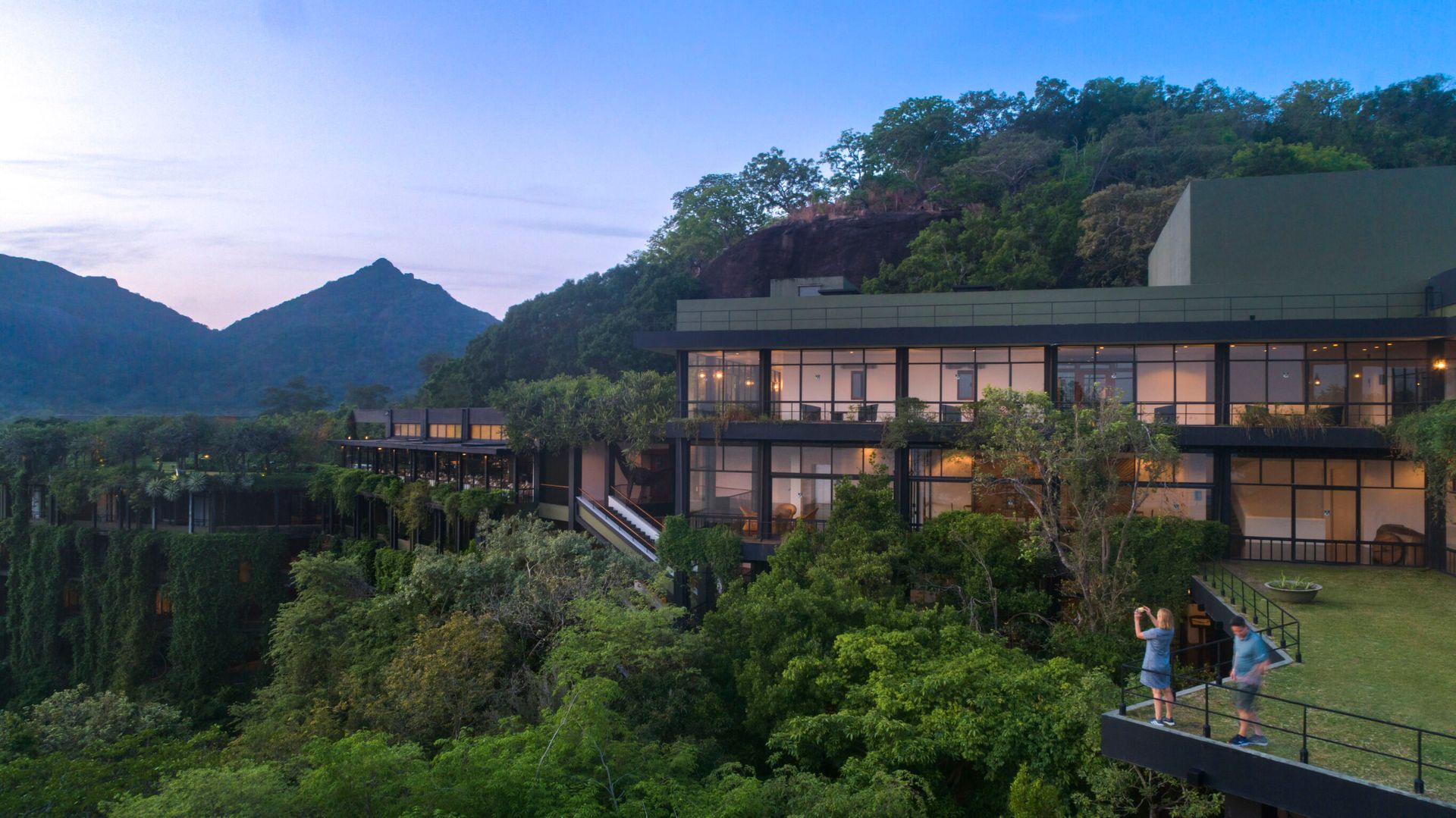 HotelHeritance KandalamaBuilt along a rock face above Kandalama lake, in 211 acres of protected forest outside Dambulla
 HotelJetwing LakeWijaya Kumaratunga Mawatha, Yapagama, Dambulla, facing the Siyambalawewa tank across a dry-zone forest
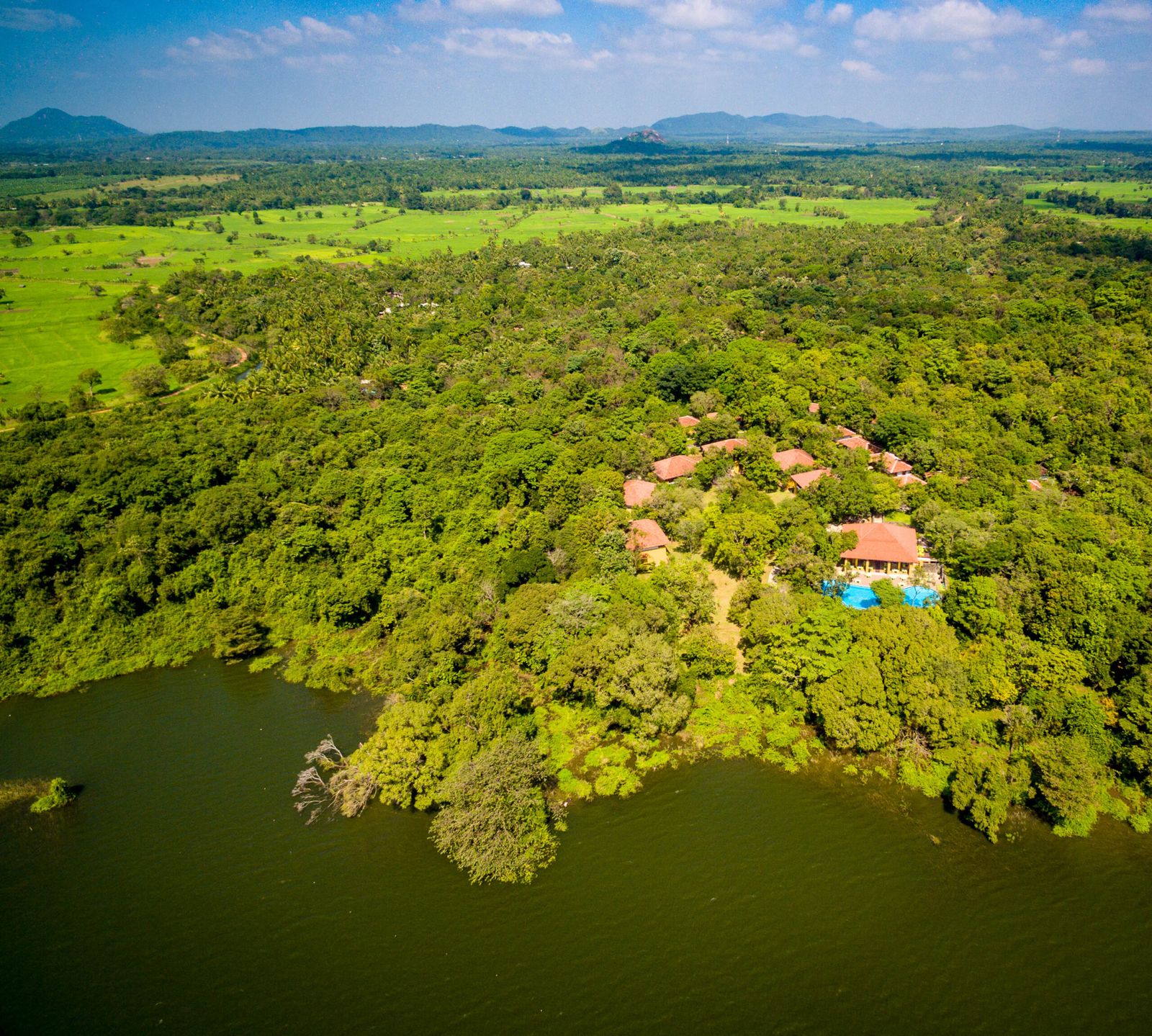 ResortAmaya LakeOn the shore of the Kandalama reservoir, reached by a forest road, about 15 km from Sigiriya
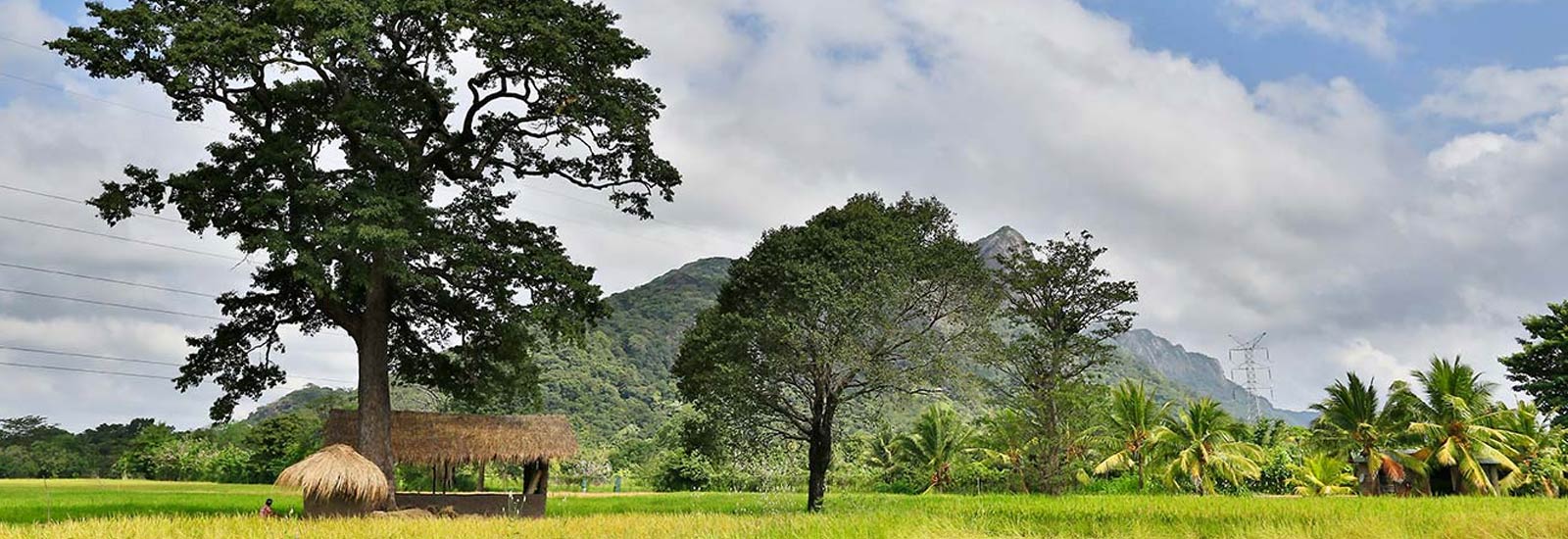 VillaKalundewa RetreatKalundewa Road, Dambulu Oya, on 100 acres of paddy, lakes and forest below Kalundewa Mountain
Things to do from Dambulla
- Culture and heritage · 2 to 3 hours, best from the 07:00 openingClimbing Sigiriya rock at the openingSigiriya is the rock fortress of King Kashyapa, who reigned from 477 to 495 CE and built his palace on a granite rock rising about 200 m above the plain; after his death it became a monastery until the 14th century, and it has been a UNESCO World Heritage Site since 1982. The way up passes the water and boulder gardens, 22 surviving frescoes of celestial women, the Mirror Wall carved with verses by visitors from the 6th to the 14th centuries, and the paws of the great lion gate.
- Adventure · about 2 hours from the 05:00 opening, with a climb of 20 to 30 minutesSunrise from Pidurangala rockPidurangala is the rock just north of Sigiriya and almost as high, with a working Buddhist temple at its foot and a large reclining Buddha halfway up. From its top there is a clear view of Sigiriya rock across the forest, and it is a favourite climb for the sunrise.
- Culture and heritage · a morning or late afternoon visit, reached by a 10-minute climb up stone stepsThe painted caves of the Dambulla cave templeThe Rangiri Dambulla cave temple fills 5 main caves under a granite outcrop that rises 160 m above the plains, begun in the 1st century BCE when King Valagamba took refuge here and enlarged by later kings as late as the 18th century. It holds 153 Buddha statues, 3 statues of kings and 4 of gods, a 14 m reclining Buddha carved from the rock and some 2,100 sq m of painted walls and ceilings, and has been a UNESCO World Heritage Site since 1991.
- Culture and heritage · about an hour, on the road between Dambulla and KandyNalanda Gedige, the Hindu and Buddhist shrineNalanda Gedige is a small stone shrine in Matale District that joins Buddhist and Hindu design in 1 building: the plan is Buddhist, the vestibule and the windowless inner shrine are Hindu, and the richly carved façade follows a 7th century South Indian style. It dates from somewhere between the 7th and 11th centuries and carries Tantric carvings and a relief of Kuvera, the god of wealth.
- Nature and wildlife · a guided walk after dark, or a day walk from 08:00A night walk for slender lorises at Popham's ArboretumPopham's Arboretum, near Kandalama outside Dambulla, was begun in 1963 by the British planter Sam Popham on 7.5 acres of scrub, which he let return to native dry zone forest by clearing only the fast-growing weeds. It is now run by the Institute of Fundamental Studies and has grown several times over, with footpaths and wooden bridges through the trees.
- Nature and wildlife · a morning, with an easy walk through the forest to the ridgeThe ironwood forest and rose quartz ridge of Namal UyanaJathika Namal Uyana is the largest forest of ironwood, the na tree that is Sri Lanka's national tree, and its path leads to a range of rose quartz, coloured pink by traces of manganese, described as the largest in South Asia and dating from the Precambrian. It lies at Ulpathgama in the countryside north-east of Dambulla.
- Culture and heritage · about an hour, best in the early morningThe standing Buddha of AvukanaThe Avukana Buddha is a standing figure of 38 ft 10 in, 46 ft with its pedestal, carved almost in the round from a single boulder and still joined to the rock behind by a narrow strip. It is usually dated to King Dhatusena in the 5th century CE, though some scholars place it later, and it looks east over the Kala Wewa reservoir that he built.
- Nature and wildlife · about 3 hours, from about 06:00 or 15:00; the park is about 45 minutes from Sigiriya or DambullaAn elephant safari in Hurulu Eco ParkHurulu Eco Park lies on the edge of the Hurulu Forest Reserve near Habarana, forest that was declared a biosphere reserve in January 1977. The reserve is an important home of the Sri Lankan elephant, and it forms part of the corridor along which the herds move between Minneriya and Kaudulla national parks.
- Nature and wildlife · about 1 hour on a lodge's grounds, or a walk of about 3 hoursA birdwatching walk with a naturalist, arranged with your stayMany of the lodges around Sigiriya, Dambulla and Polonnaruwa keep a resident naturalist who leads birdwatching walks on the grounds and along the edges of nearby tanks and paddy fields. Around Habarana the birds include Malabar pied hornbills, eagles and herons, and for those with a sharp eye the brown fish owl.
- Wellness · a single treatment, or a programme of 5 to 30 daysAn Ayurveda treatment, arranged with your stayAyurveda, the traditional medicine of Sri Lanka and India, is offered at several stays around Sigiriya and Dambulla, from a single treatment in a hotel spa to a resort built around programmes of 5 to 30 days. Treatments begin with an Ayurvedic doctor, who advises on the right ones for each guest.
- Culture and heritage · about 1 hour, 5 km south-west of DambullaThe Iron Age graves of IbbankatuwaIbbankatuwa is a prehistoric cemetery beside the Ibbankatuwa tank, about 5 km south-west of Dambulla on the road to Kurunegala, dated by radiocarbon to between about 700 and 450 BCE. It covers roughly 1 sq km, with 42 clusters of about 10 graves each; a typical grave is a stone cist, walled with 4 slabs and closed by a capstone.
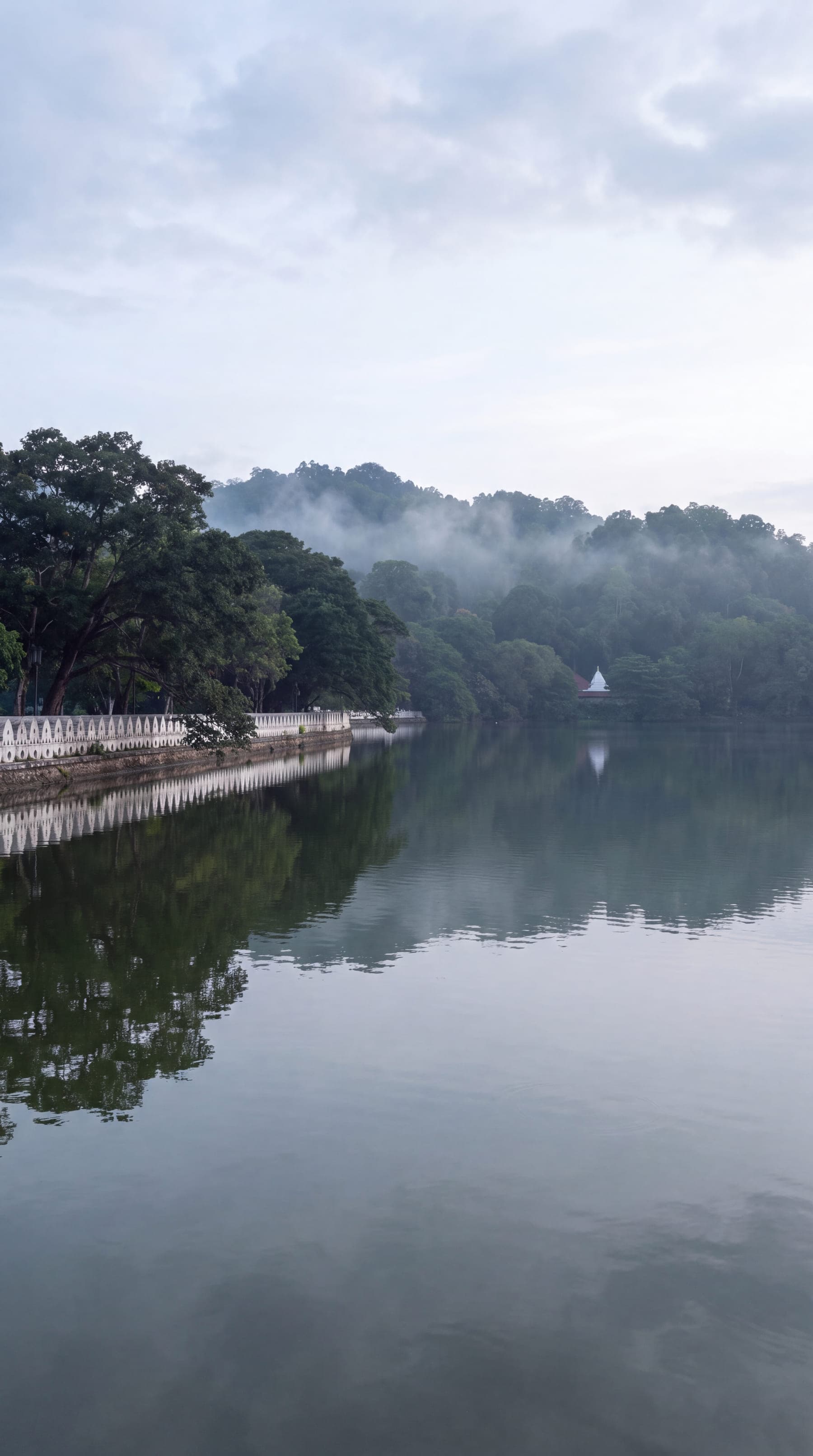 KandyThe last royal capital, the Temple of the Tooth, a World Heritage Site
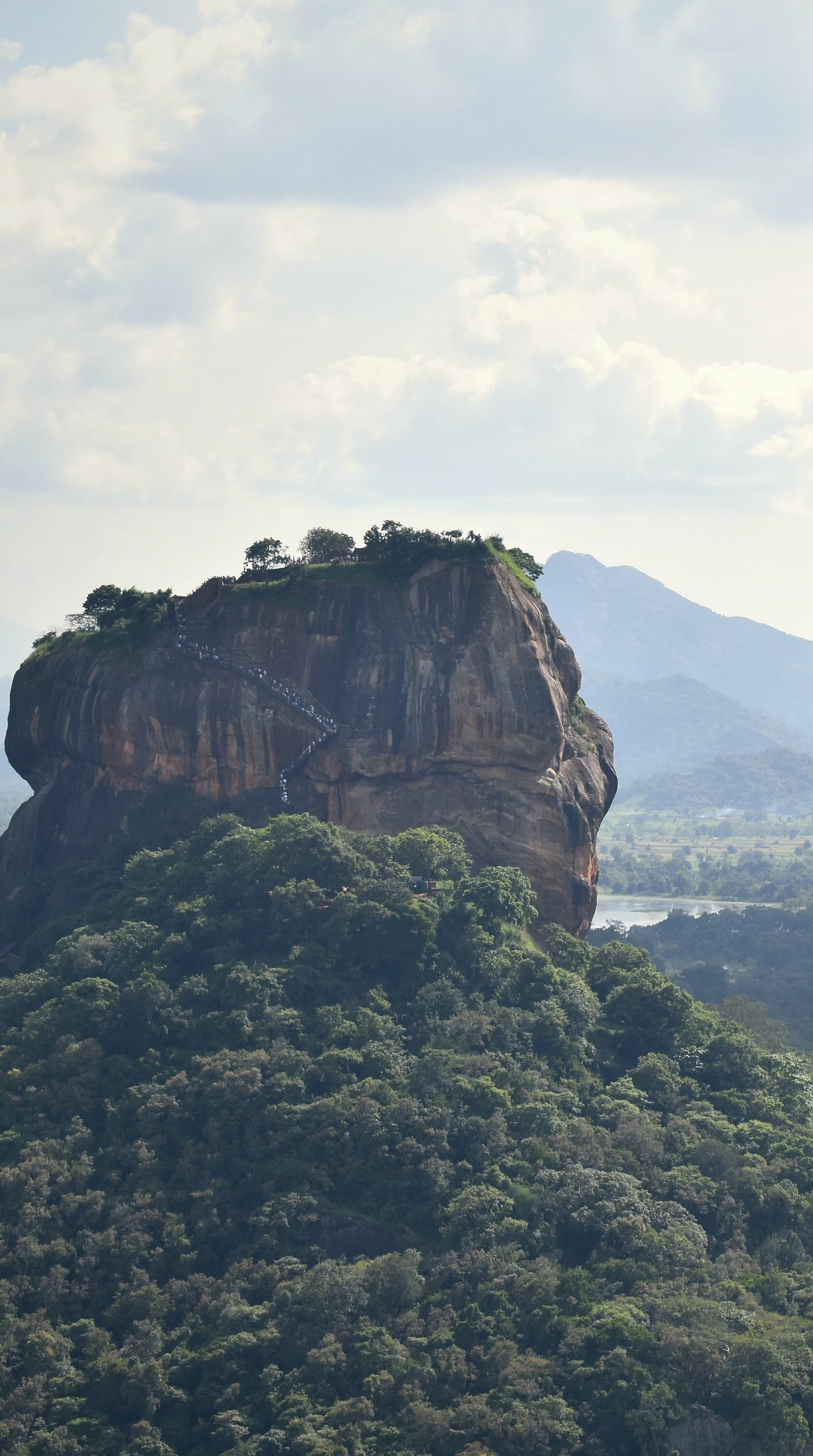 SigiriyaThe 5th-century rock fortress, 180 m above the plain
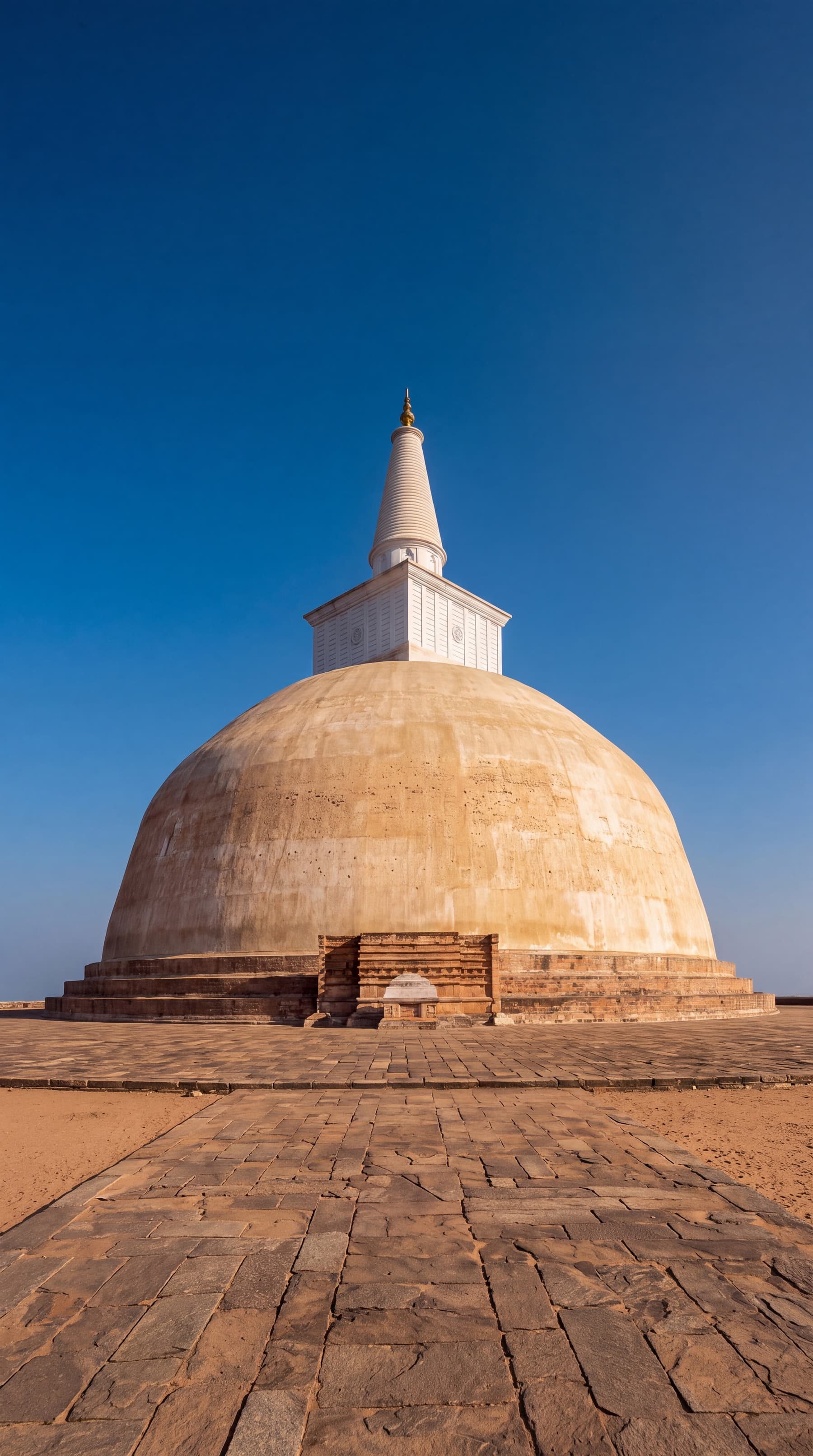 AnuradhapuraThe first capital, 1,400 years of it, and the oldest planted tree on earth
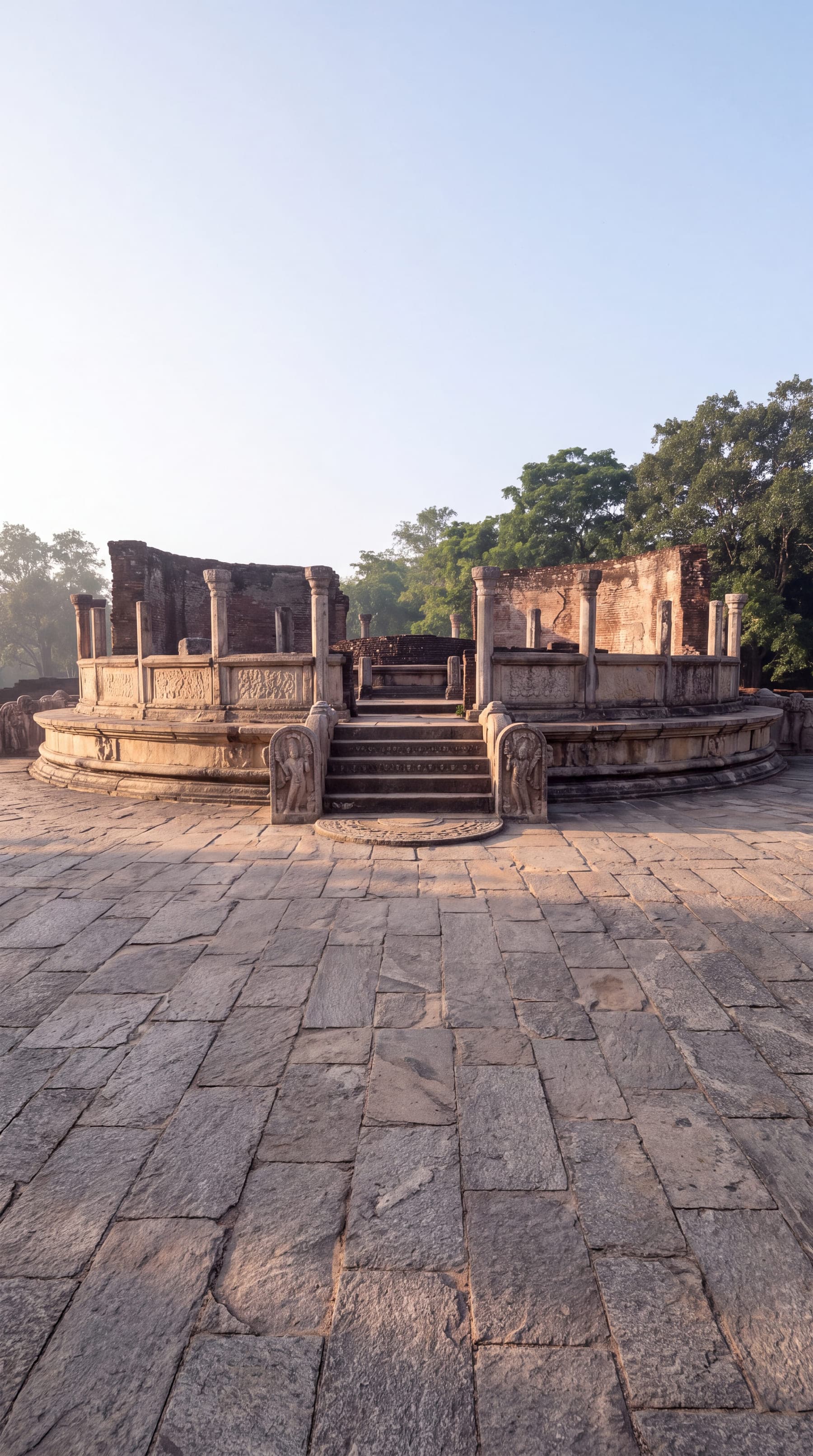 PolonnaruwaThe second capital: Gal Vihara's Buddhas beside the great reservoir
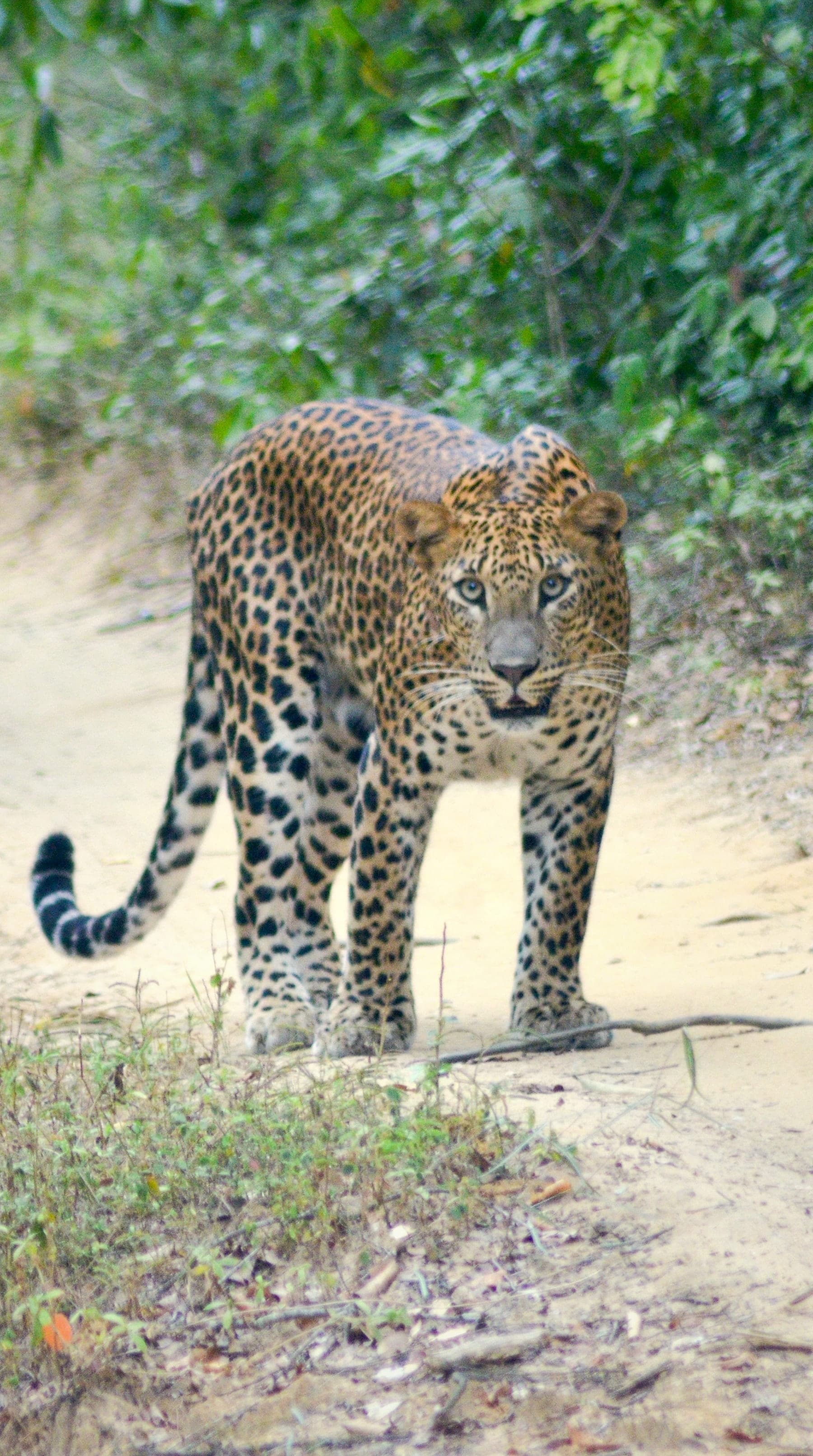 WilpattuThe largest park, the quietest: leopards among 106 lakes
Dambulla in your journey? Build it in Explore.