
Polonnaruwa The second capital: Gal Vihara's Buddhas beside the great reservoir
The place
Polonnaruwa, in North Central Province 216 km from Colombo, became the island's second capital after the Chola invasion, ruled from around 1070 by Vijayabahu I and then by Parakramabahu I, whose reservoir, the Parakrama Samudra, still waters the district. The Ancient City of Polonnaruwa is a UNESCO World Heritage Site, listed in 1982; the modern town sits 3 km south of the ruins.
The ruins are compact and easily taken by bicycle: the Royal Palace, the Quadrangle with its circular relic house, the Vatadage, the Rankoth Vehera stupa and the Chola-built Siva Devale. Gal Vihara, the rock-cut Buddha figures, is the reason most people come, and worth the whole journey.
When to go
February to September
In the dry zone the north-east monsoon, roughly October to January, brings the rain; the rest of the year is dry.
Getting there
- By road, 3.5 to 4.5 hours from Bandaranaike International Airport.
- Polonnaruwa station, 5 km from the centre on the Batticaloa Line, is about 5 hours from Colombo Fort.
- By air, Cinnamon Air's scheduled seaplane to Sigiriya is the nearest point.
Worth seeing
Gal Vihara
The rock-cut Buddha figures.
Parakrama Samudra
Parakramabahu I's great reservoir.
The Royal Palace
Of Parakramabahu I.
The Quadrangle and the Vatadage
The circular relic house at the heart of the city.
Rankoth Vehera
The great stupa.
Siva Devale
The Chola-built Shiva temple.
Asked often
- When is the best time to visit Polonnaruwa?
- February to September. In the dry zone the north-east monsoon, roughly October to January, brings the rain; the rest of the year is dry.
- How do you get to Polonnaruwa?
- By road, 3.5 to 4.5 hours from Bandaranaike International Airport. Polonnaruwa station, 5 km from the centre on the Batticaloa Line, is about 5 hours from Colombo Fort. By air, Cinnamon Air's scheduled seaplane to Sigiriya is the nearest point.
In Explore
Open Polonnaruwa in Explore to choose your stay, your room and your experiences, and add them to your journey.
Where to stay in Polonnaruwa
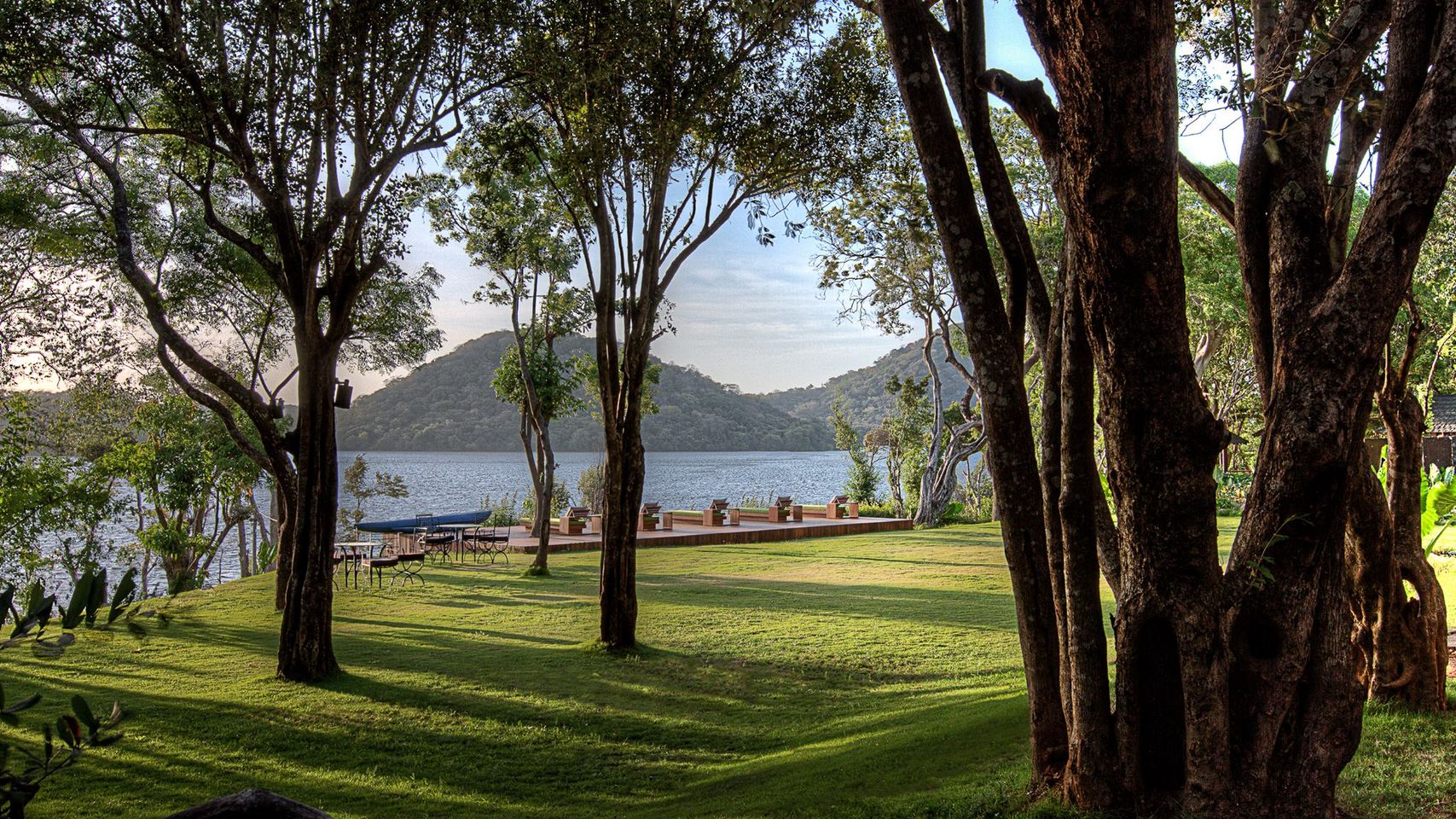 ResortThe Deer Park HotelElahera Road, Giritale, on 15 acres of forest running down to the Giritale tank, bordering the Minneriya-Giritale sanctuary
 Boutique hotelEKHO Lake HousePothgul Mawatha, Polonnaruwa, on the bank of the Parakrama Samudra reservoir, 2 km from the ancient city
 Boutique hotelAgbo HotelLake Side, Giritale, on the Habarana road about 15 km from Polonnaruwa, facing the Giritale tank
Things to do from Polonnaruwa
- Nature and wildlife · an afternoon, about 15:00 to 18:00; the parks are 30 to 50 minutes from SigiriyaThe elephant gathering at Minneriya or KaudullaMinneriya and Kaudulla are neighbouring national parks joined by an elephant corridor, each built around an ancient reservoir from the time of the Anuradhapura kingdom. In the dry season the water recedes and fresh grass grows on the exposed shore, and up to 300 elephants gather at the Minneriya tank to feed, drink and bathe.
- Culture and heritage · 3 to 4 hours, best started at the 07:00 openingThe ancient city of Polonnaruwa by bicyclePolonnaruwa became the island's capital after Vijayabahu I ended Chola rule in 1070, and under Parakramabahu I in the 12th century it gained palaces, monasteries and great irrigation works; the Ancient City has been a UNESCO World Heritage Site since 1982. Its ruins lie close together along about 4 km of flat paths, easily covered by bicycle.
- Nature and wildlife · a morning or an afternoon of about 4 hours, or a full day; the park gate is about 1 and a half hours' drive from PolonnaruwaA safari in Wasgamuwa National ParkWasgamuwa, in the Matale and Polonnaruwa districts, was declared a national park in 1984 as a refuge for wildlife displaced by the Mahaweli development scheme. Its name comes from the Sinhala for sloth bear, and it holds large herds of elephants, 143 recorded bird species and the ruins of irrigation works built by Parakramabahu I.
- Nature and wildlife · about 1 hour on a lodge's grounds, or a walk of about 3 hoursA birdwatching walk with a naturalist, arranged with your stayMany of the lodges around Sigiriya, Dambulla and Polonnaruwa keep a resident naturalist who leads birdwatching walks on the grounds and along the edges of nearby tanks and paddy fields. Around Habarana the birds include Malabar pied hornbills, eagles and herons, and for those with a sharp eye the brown fish owl.
- Culture and heritage · a morning or late afternoon; about 45 minutes' drive from PolonnaruwaThe circular relic house of MedirigiriyaMedirigiriya, 30 to 34 km north of Polonnaruwa, is the ancient Mandalagiri monastery, and its vatadage, a circular relic house built around a small stupa on a raised stone terrace, dates from the reign of Aggabodhi IV in the 7th century. Later kings restored it, among them Sena II in the 9th century and Vijayabahu I after the Chola invasion.
- Culture and heritage · up to a full day to see all of its sites; about 27 km by road south-east of PolonnaruwaDimbulagala, the forest hermitage on Gunner's QuoinDimbulagala is a range of rock hills about 16 km south-east of Polonnaruwa as the crow flies, which the British called Gunner's Quoin, and a Buddhist forest hermitage on its slopes flourished under the Polonnaruwa kings; an inscription of the 12th century records 500 monks living there. Abandoned after that period, it was restored in the 1950s and is again a working monastery.
- Culture and heritage · a morning or afternoon; the museum is open daily from 07:00 to 18:00The statue by the reservoir, Potgul Vehera and the Polonnaruwa museumOn the eastern bank of the Parakrama Samudra stands a 12th-century figure 3.4 m tall, carved in high relief on a boulder: a bearded man holding what may be a palm-leaf book or a yoke. It is widely taken to be Parakramabahu I, the king who enlarged the reservoir, though some scholars see a sage; about 100 m to the south is Potgul Vehera, a circular building traditionally called a library, which excavation suggests was a monastery for learned monks.
- Nature and wildlife · about 4 hoursThe toque macaques of Polonnaruwa, with a naturalistThe toque macaque is a monkey found only in Sri Lanka and listed as endangered, and troops of it live among the ruins and forest of ancient Polonnaruwa. Monkey Kingdom, a 2015 nature documentary, followed a troop living in these ruins, with the primatologist Wolfgang Dittus, who has studied the island's macaques for nearly 50 years, as its scientific adviser.
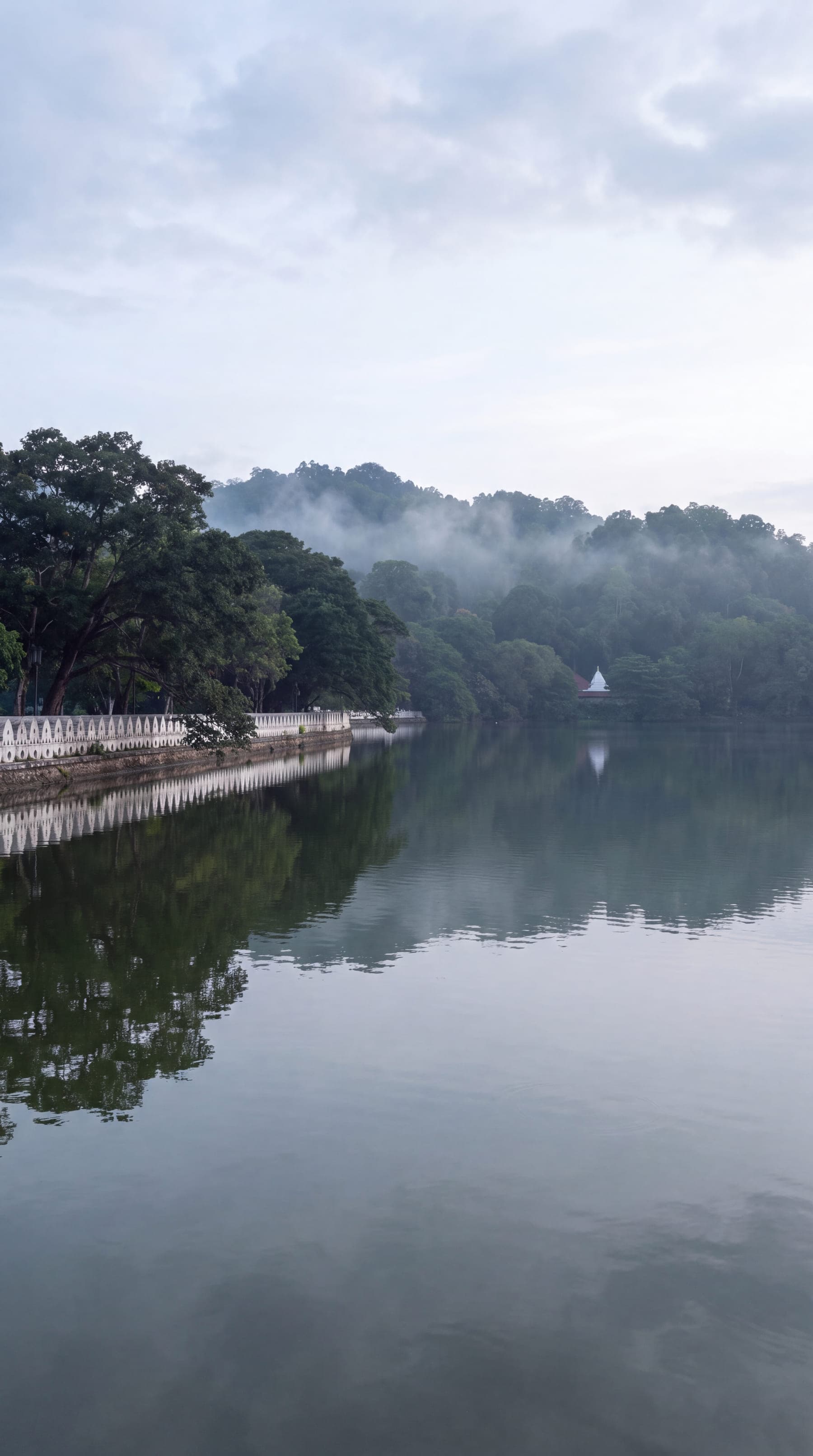 KandyThe last royal capital, the Temple of the Tooth, a World Heritage Site
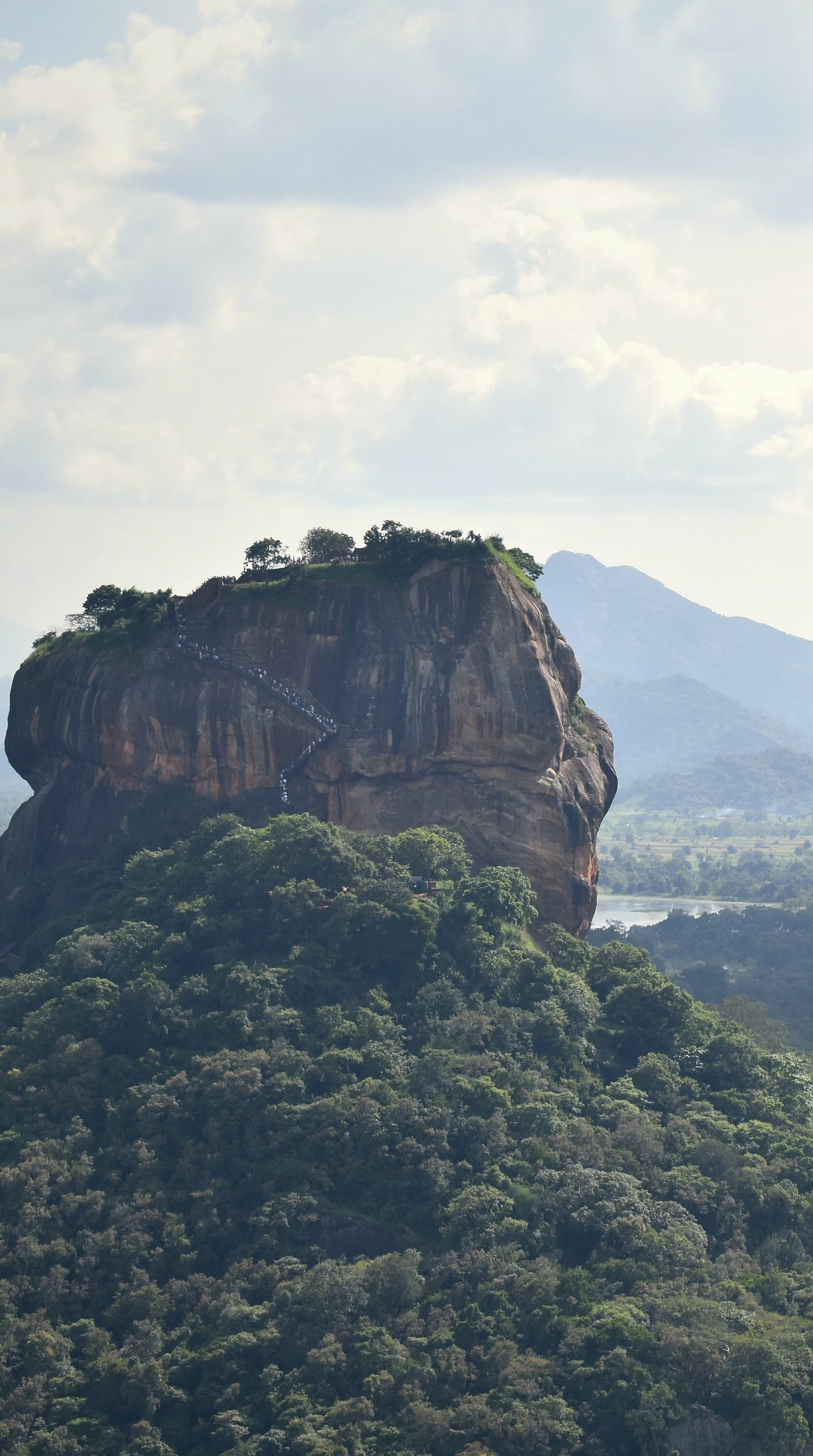 SigiriyaThe 5th-century rock fortress, 180 m above the plain
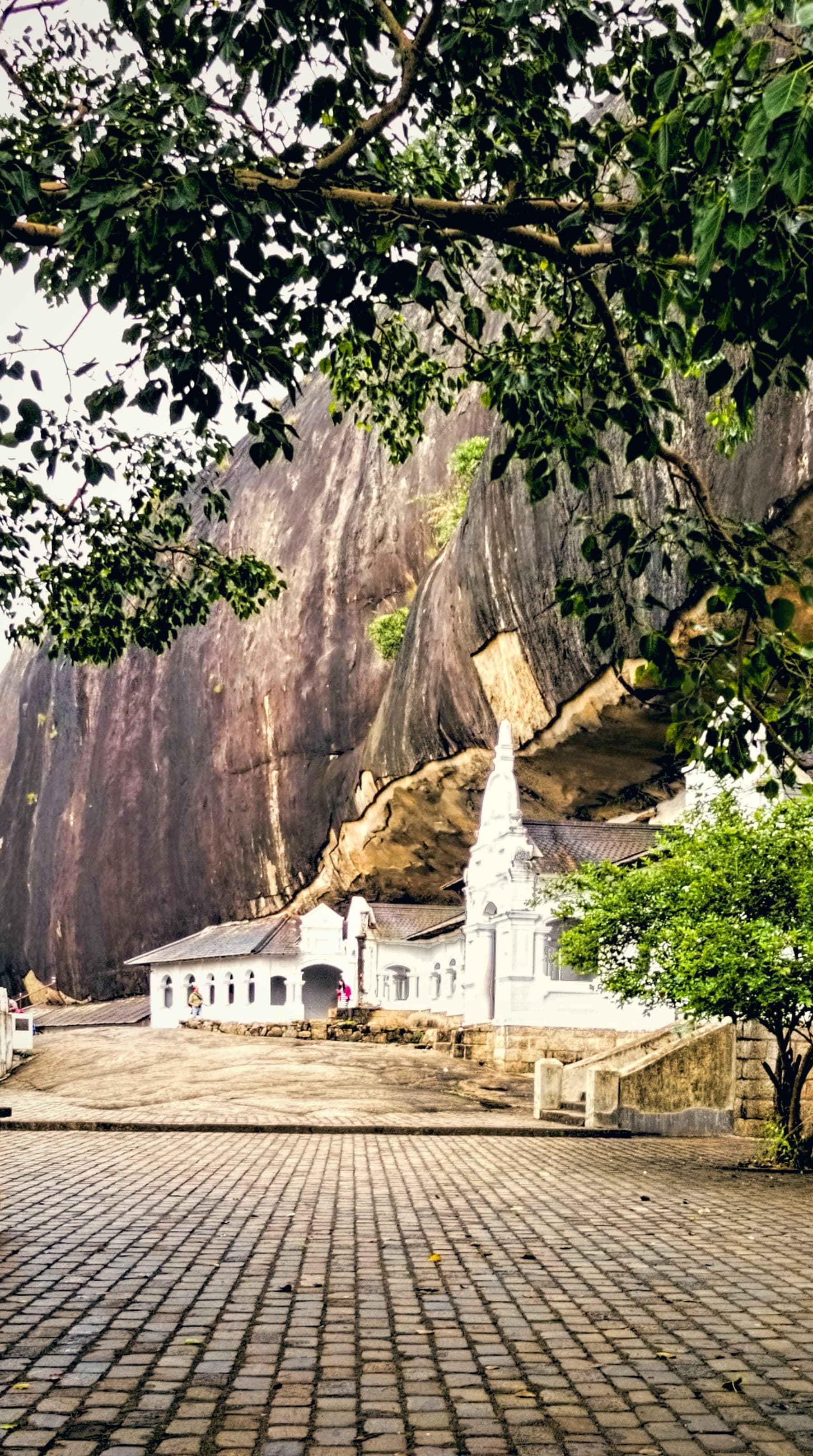 DambullaThe cave temple with 153 Buddhas, at the hub of the Cultural Triangle
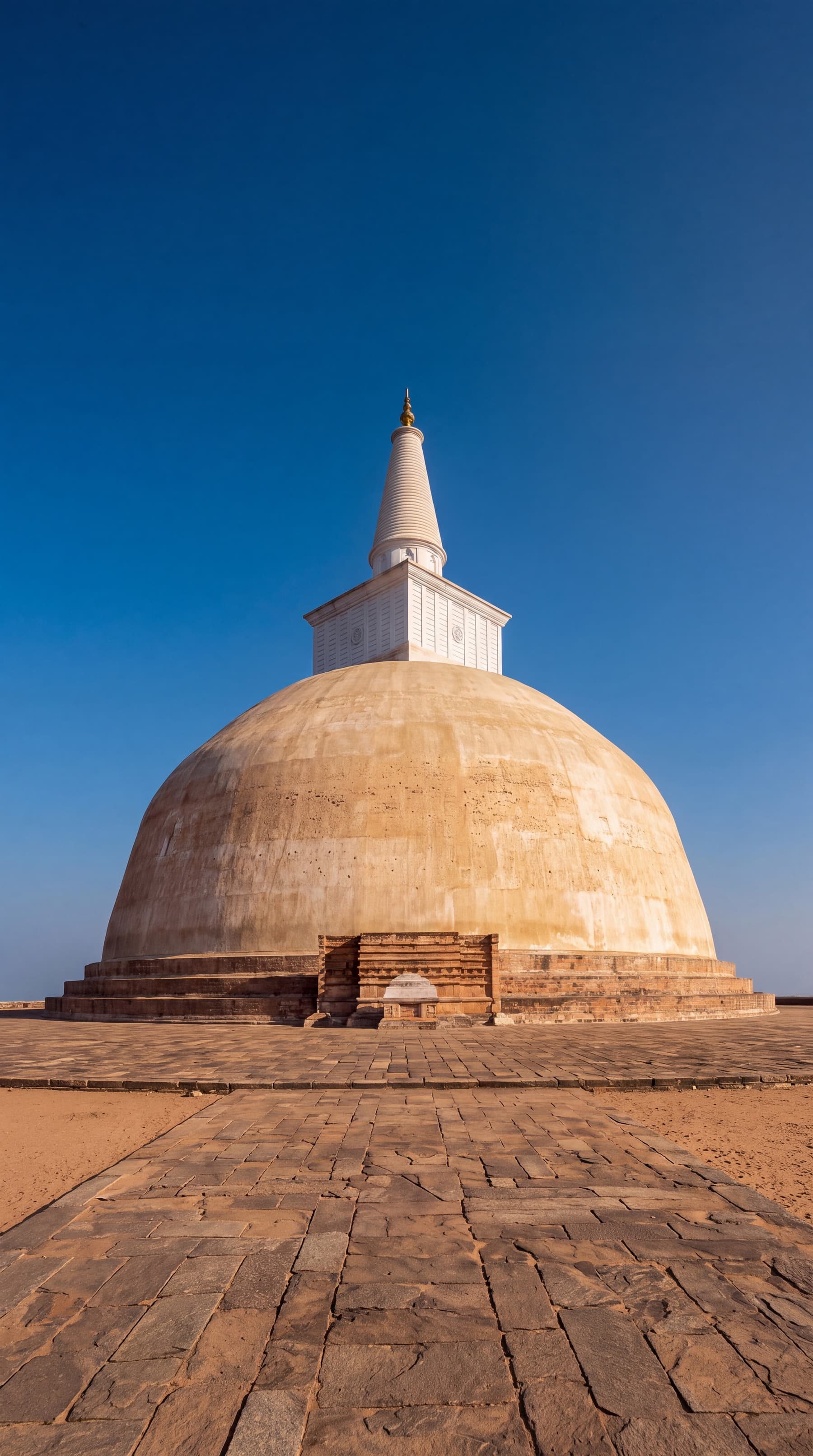 AnuradhapuraThe first capital, 1,400 years of it, and the oldest planted tree on earth
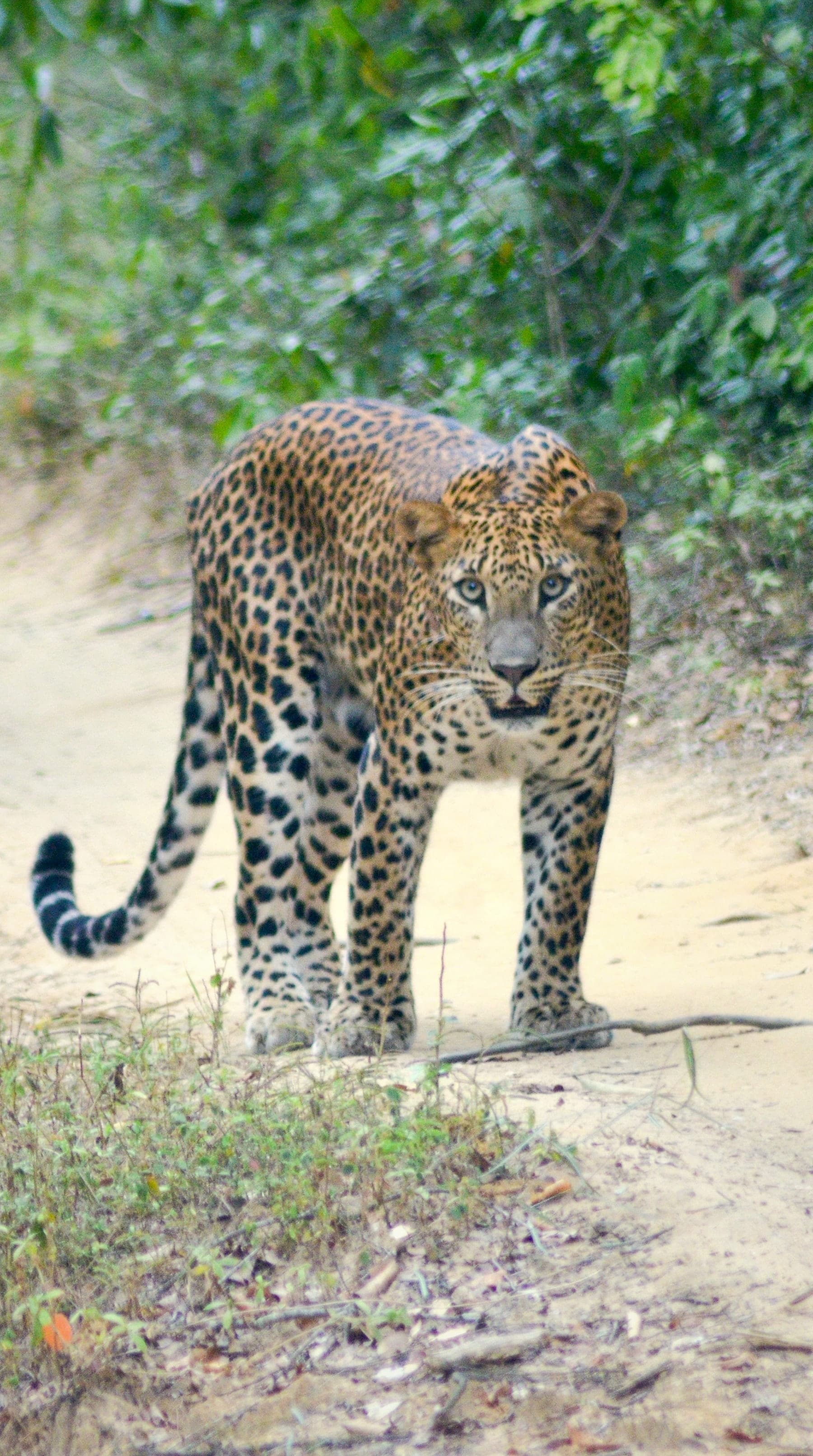 WilpattuThe largest park, the quietest: leopards among 106 lakes
Polonnaruwa in your journey? Build it in Explore.