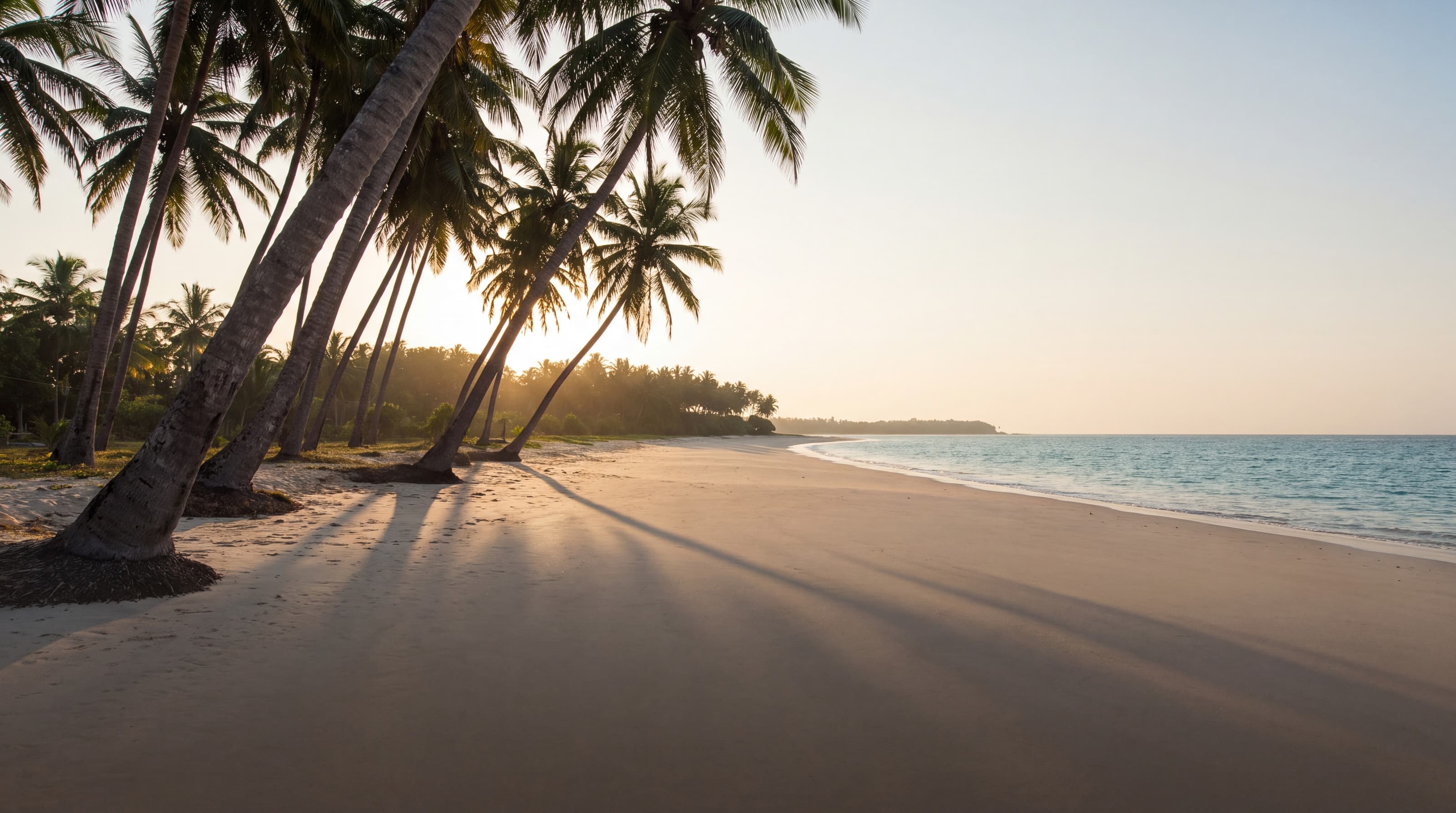
Tangalle The quiet coves of the deep south, and the turtle beach at Rekawa
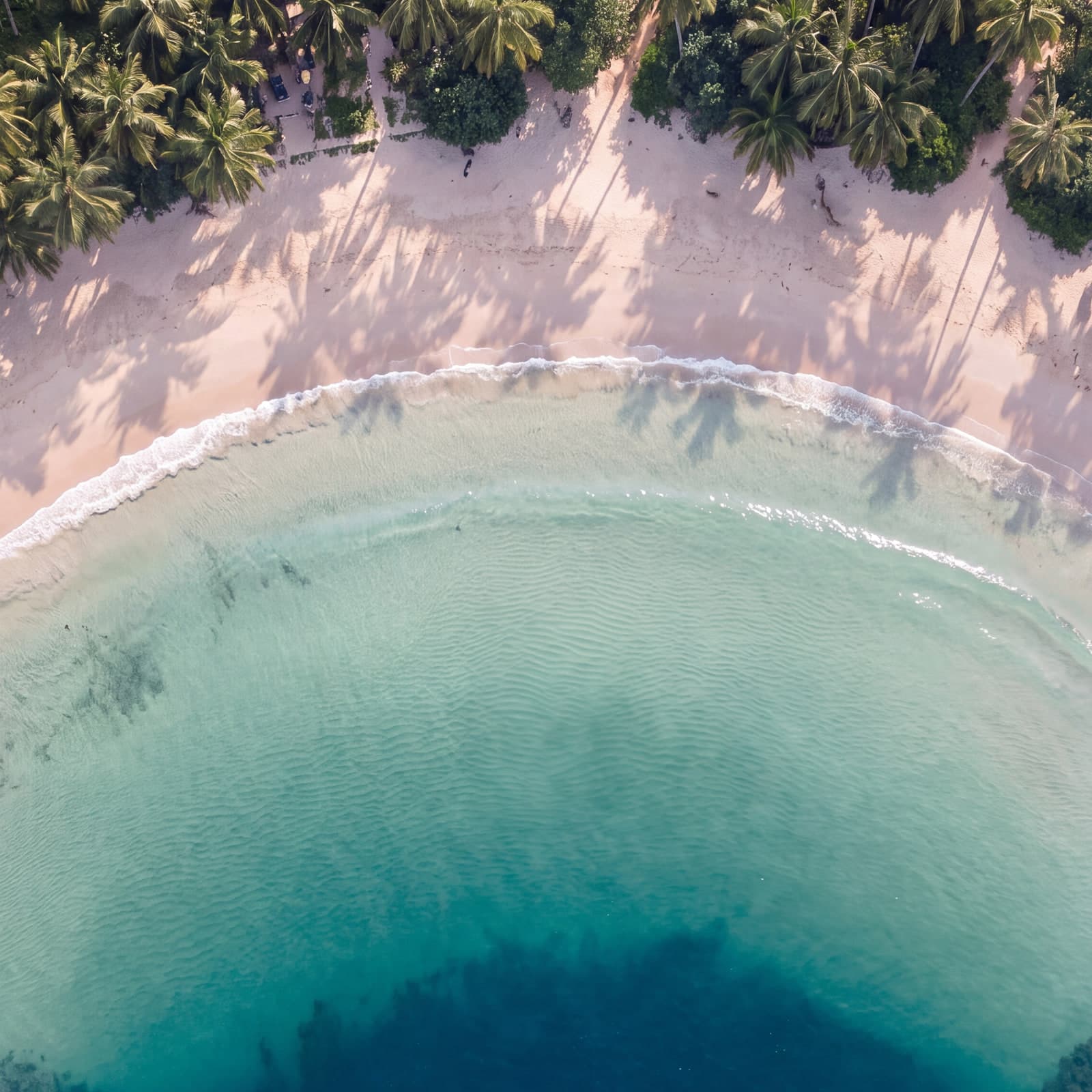
Tangalle is a fishing port and beach town 195 km south of Colombo, on one of the island's biggest bays, sheltered by an enclosing reef. Where the coast west of here is busy, Tangalle's is a run of quiet coves and long, empty beaches, and it sits at the edge of the dry zone, so the weather settles earlier than it does around Galle.
At Rekawa, 10 km east, 5 species of marine turtle come ashore to nest. Inland, 20 km north, the rock temple of Mulkirigala climbs a 200 m boulder and is some 2,000 years old. The Hummanaya blowhole at Kudawella is the only one in Sri Lanka, and the lagoons of Kalametiya are a bird sanctuary.
What to see in Tangalle
- Mulkirigala Raja Maha Vihara
A 2,000-year-old rock temple on a 200 m boulder, 20 km north.
- Rekawa turtle beach
Where 5 marine turtle species nest, 10 km east.
- Hummanaya blowhole
At Kudawella, the only blowhole in Sri Lanka, 11 km north.
- Kalametiya Bird Sanctuary
Coastal lagoons and mangroves 24 km east.
- Tangalle Dutch fort
Now the town's prison.
The best time to visit Tangalle
Tangalle sits at the edge of the dry zone: the south-west monsoon, May to October, is the wet season, and the north-east monsoon months are the settled ones here.
December to April
How to reach Tangalle
- By road3 to 4.5 hoursFrom the airport, 221 km
- By trainBeliatta, the current terminus of the Coastal Line, is the nearest station.
- By airCinnamon Air lists Dickwella, on the Mawella lagoon, for charter.
- By helicopter1 hourFrom the airport, 165 km, estimated
Hotels in Tangalle
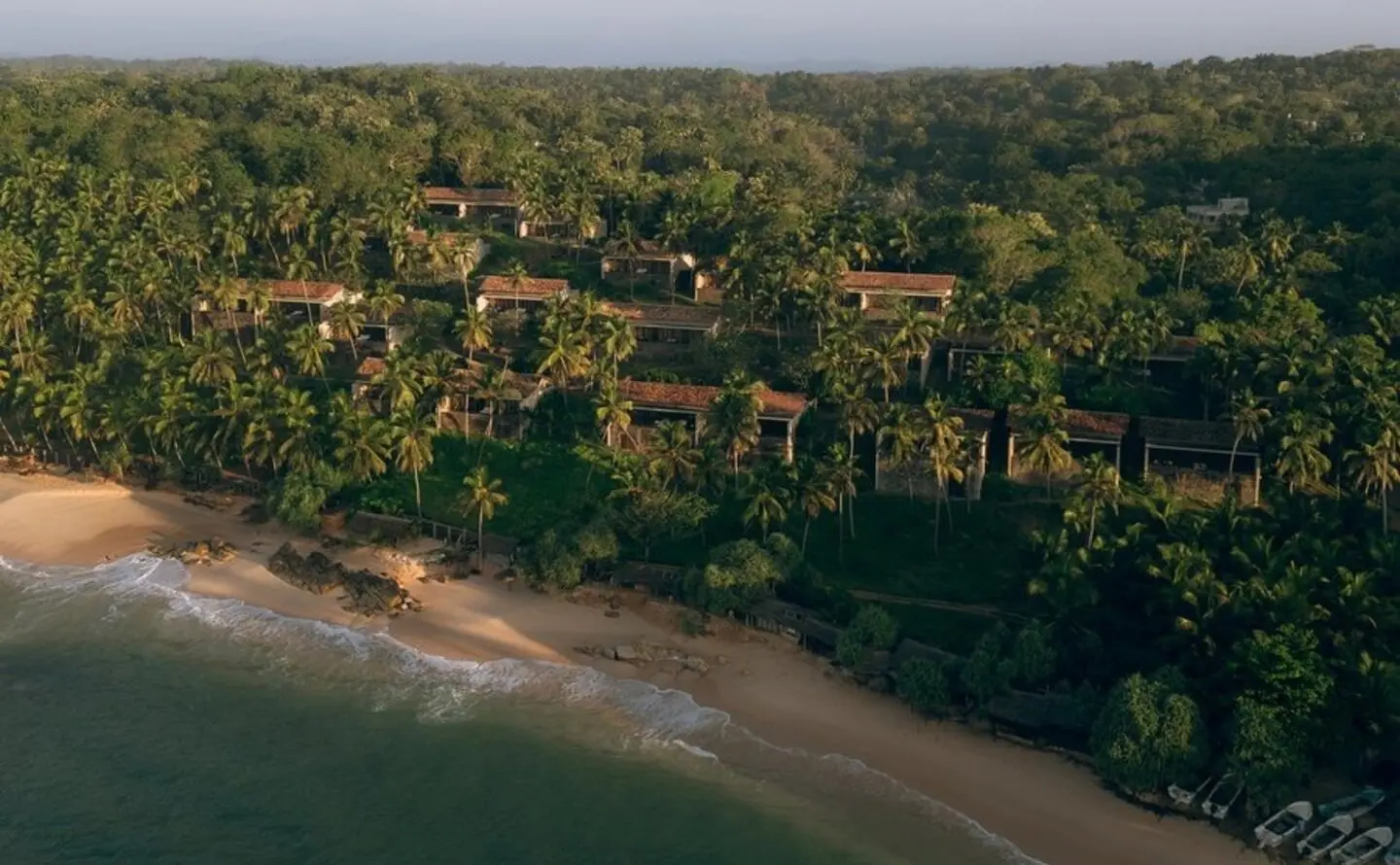 ResortAmanwellaIn a coconut grove above its own crescent beach at Godellawela, west of Tangalle, reached by a track through the jungle
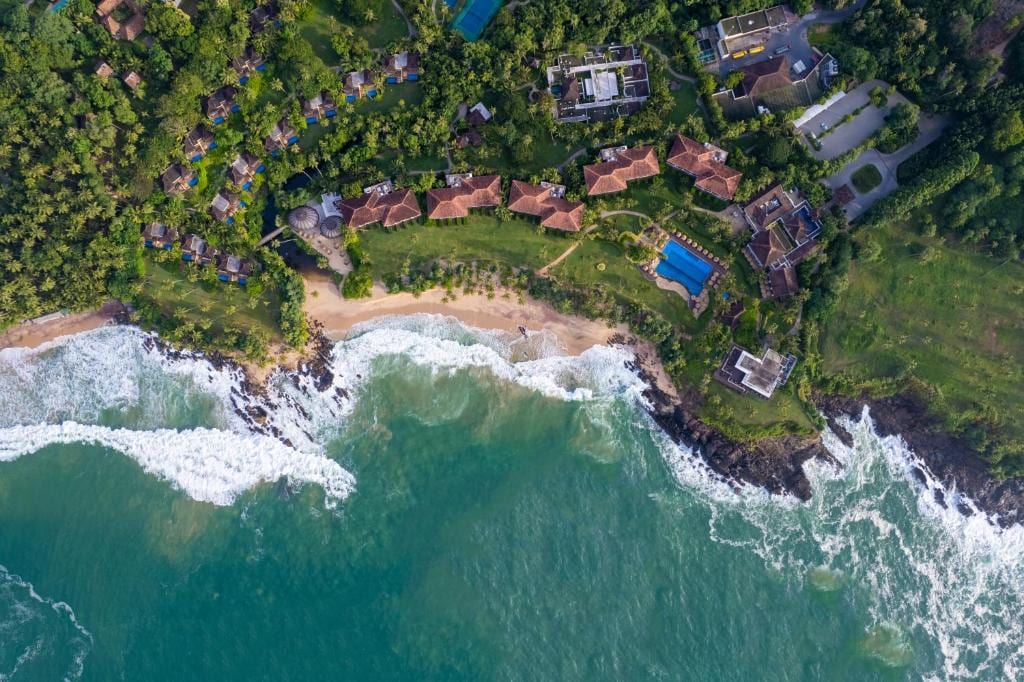 ResortAnantara Peace Haven Tangalle ResortOn the Goyambokka Estate, a former coconut plantation on a rocky headland above its own crescent beach, west of Tangalle
 VillaÀNI Sri LankaA private beachfront estate at Kalukatiya Watta, Maliyadda, Dickwella, west of Tangalle
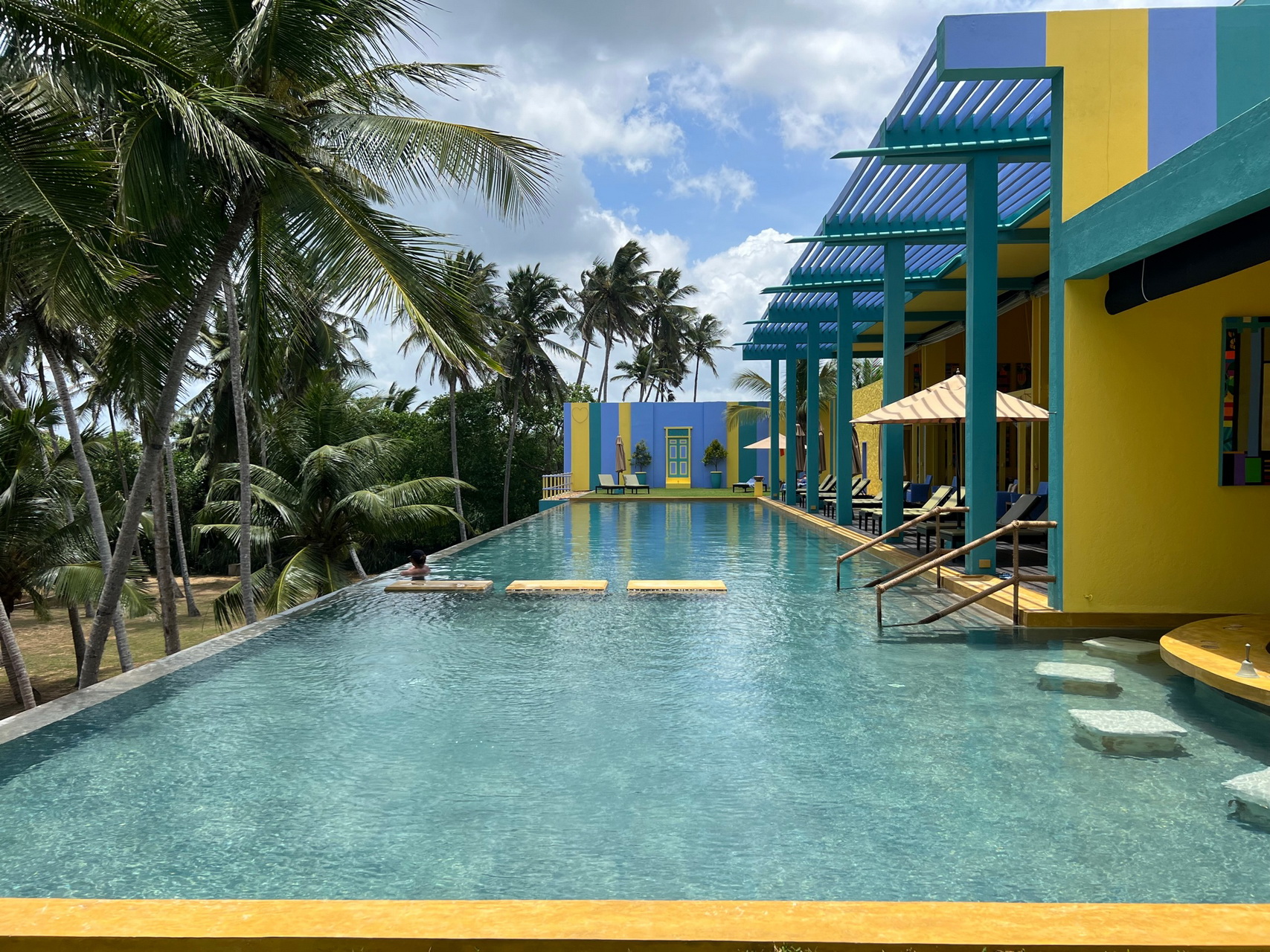 Boutique hotelBuckingham PlaceOn 5 acres raised between Rekawa Beach and Rekawa Lagoon at Netolpitiya, east of Tangalle town
 Boutique hotelKayaam WellnessOn the beach at Wellodeya Road, Rekawa, east of Tangalle town
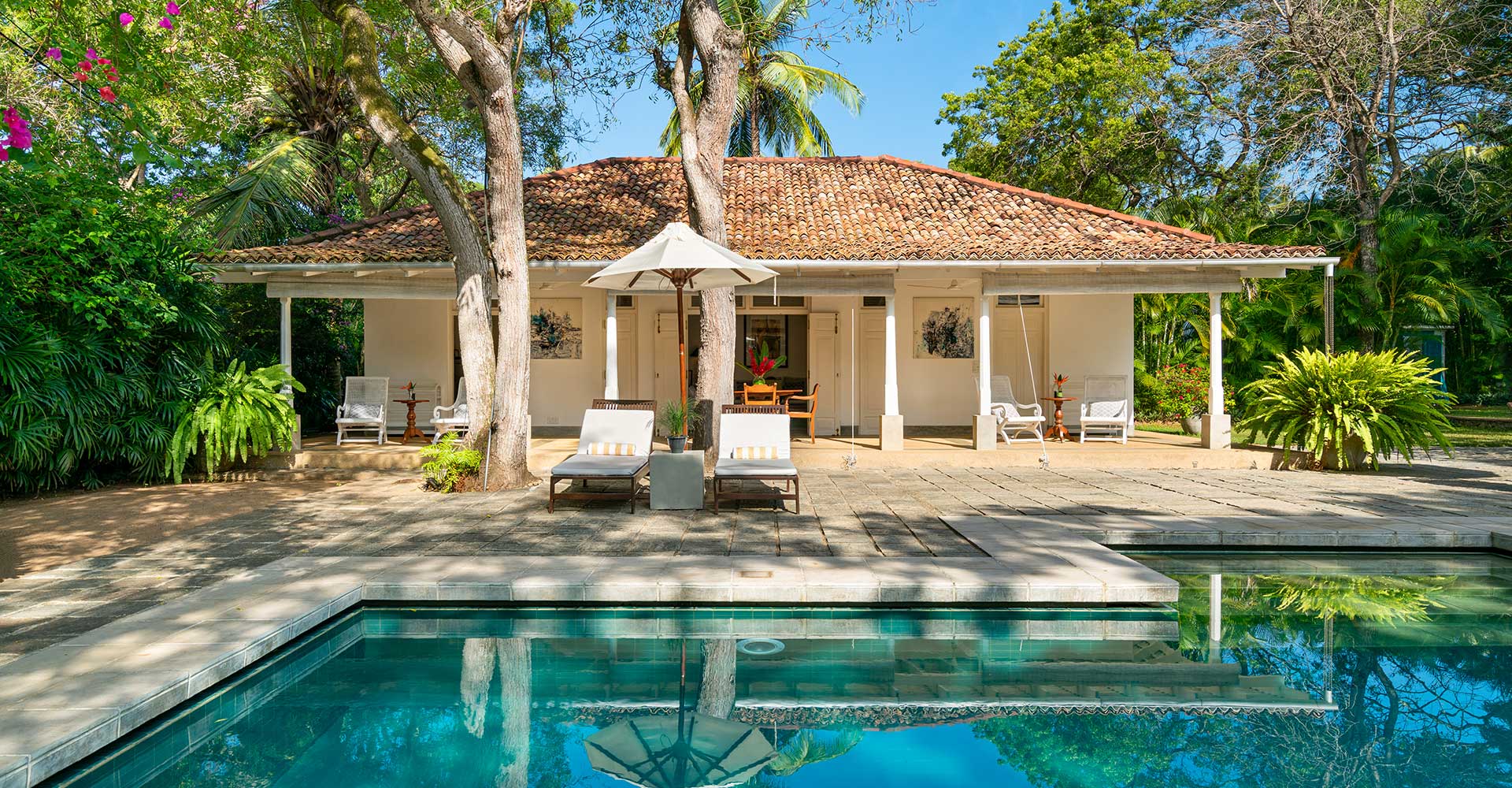 VillaTaru Villas MawellaIn gardens on the shore of Mawella Bay at Katuwenewatta, Moraketiara, Nakulugamuwa, west of Tangalle
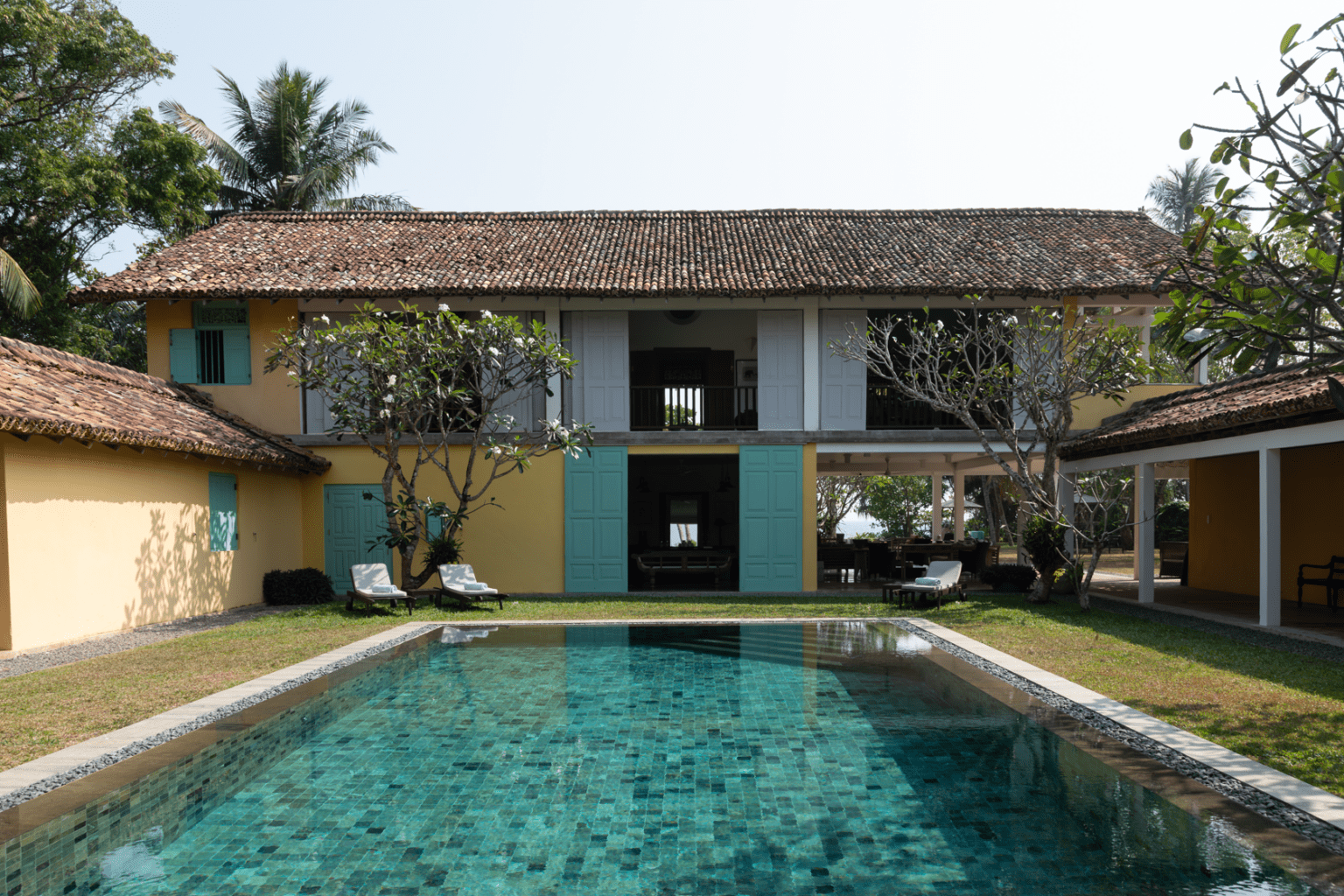 VillaThe Last HouseOn the 2 km beach of Mawella Bay at Seenimodara, Nakulugamuwa, 7 km west of Tangalle
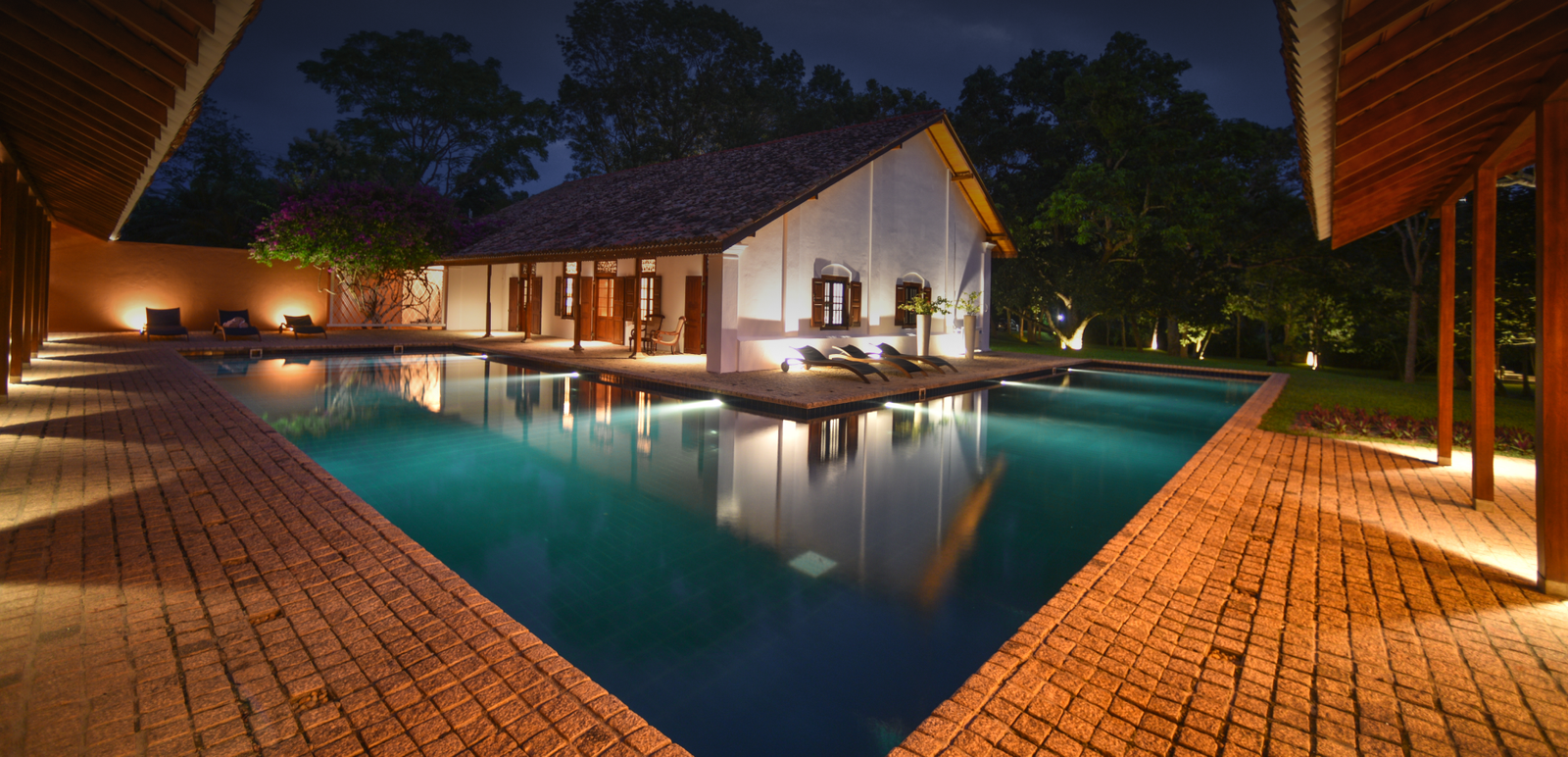 Boutique hotelMaya TangalleThe Old Walawwa at Aranwala, Beliatta, inland from Tangalle, looking over paddy fields
 Boutique hotelHalcyon MawellaBehind a line of palms on Mawella Bay, a wide beach with a working fishing village, a short drive west of Tangalle and 10 minutes by tuk-tuk from Hiriketiya
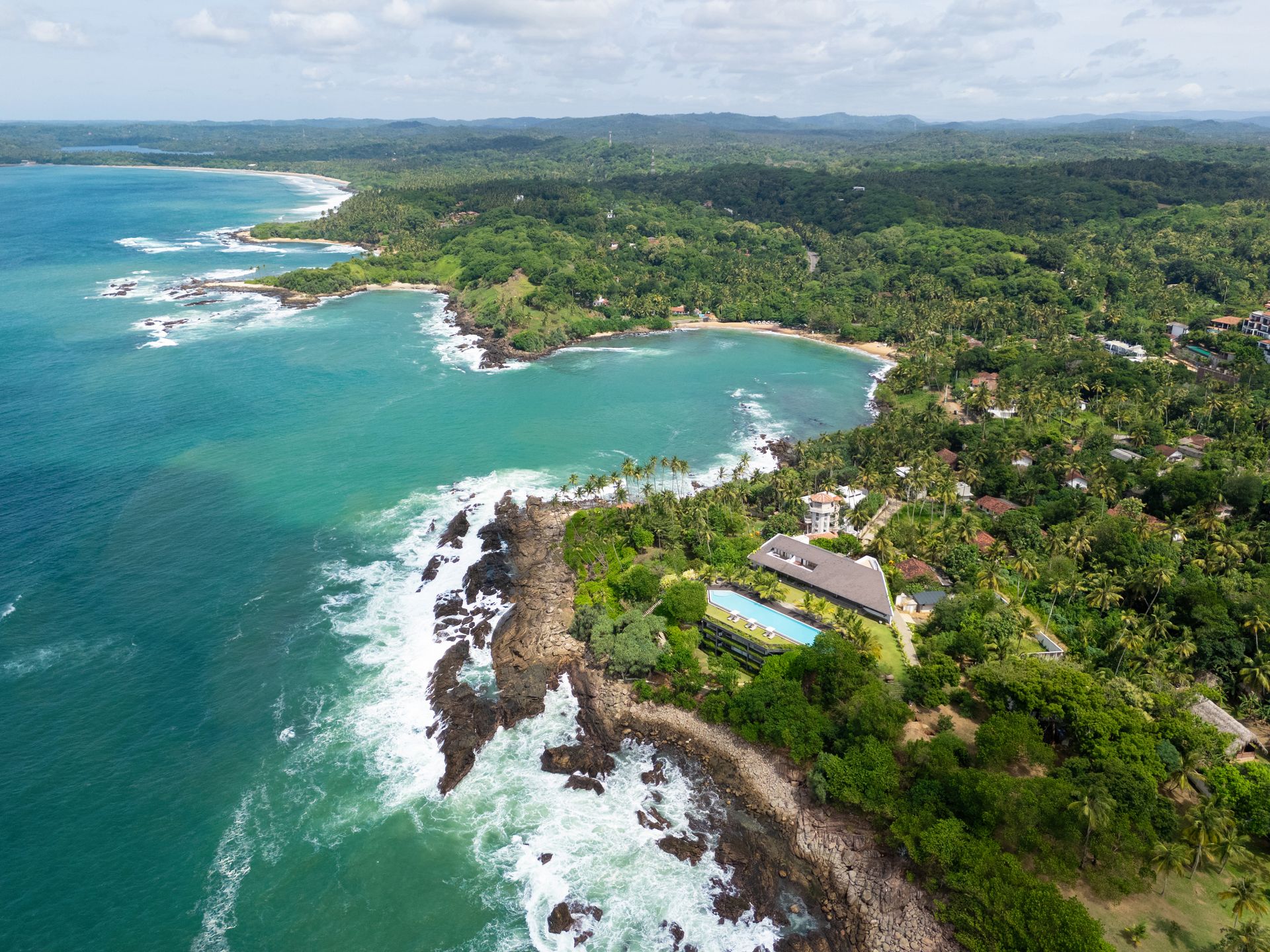 Boutique hotelUga PrāvaOn a rocky headland at Unakuruwa, 5 km from Tangalle town, in 2.5 acres of gardens that slope down to a secluded beach
Things to do from Tangalle
 Culture and heritageMatara: the Dutch Star Fort and the Weherahena templeMatara, about 15 minutes east of Mirissa, was a Dutch stronghold at the mouth of the Nilwala river. The Dutch rampart of the 1640s still closes off the promontory, topped since 1883 by a British clock tower, and across the river stands the small Star Fort, built between 1763 and 1765: a six-pointed star inside a moat, entered by a coral-faced gateway carved with the Dutch East India Company's insignia and the name Redoute Van Eck.
 Culture and heritage · a short visitThe great seated Buddha of Wewurukannala, DikwellaWewurukannala Vihara, at Dikwella about 20 minutes west of Tangalle, is known for its seated Buddha of 160 ft, about 50 m, the largest seated Buddha figure in Sri Lanka, as high as a building of 8 storeys, which rises above the old temple. The temple itself goes back to the late 18th century.
 Water and coast · a short visitThe Hummanaya blowhole at KudawellaHummanaya, near the fishing village of Kudawella, 12 km from Tangalle, is the only known blowhole in Sri Lanka. Sea water forced through a submerged cavern bursts up through the rock every couple of minutes, and the spray often reaches 25 to 30 m; its name comes from the 'hoo' it makes, heard some distance away.
 Nature and wildlifeUssangoda, the red plateau above the seaUssangoda, about 40 minutes east of Tangalle, is a national park created in 2010 on a patch of high ground above the sea: a plateau of red, iron-rich earth covered only in grass and low, stunted plants, with small islands of shrub and tree. It is one of the island's few serpentine sites, whose soils, heavy in metals, support only a sparse flora, and 2 of its plants are found only in Sri Lanka.
 DiningA Sri Lankan cooking lesson with your hotel's chefSeveral of the villas and resorts around Weligama and Tangalle, and lodges on the edge of Yala, offer a cooking lesson with their own chefs, arranged with your stay. The chef introduces the island's spices, herbs and coconut, and guests cook at their own stations, from prawn curry and coconut sambol to vegetable curries, and at one safari camp egg hoppers in village-style clay pots.
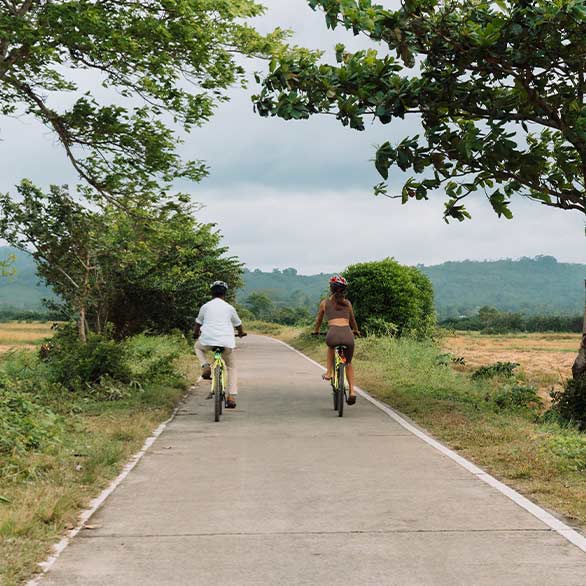 AdventureA bicycle ride through the paddy fields and villagesVillas and resorts inland from Weligama and around Tangalle keep bicycles for their guests and arrange guided rides along the lanes behind the coast, past paddy fields, village houses, a village tank and small Buddhist temples.
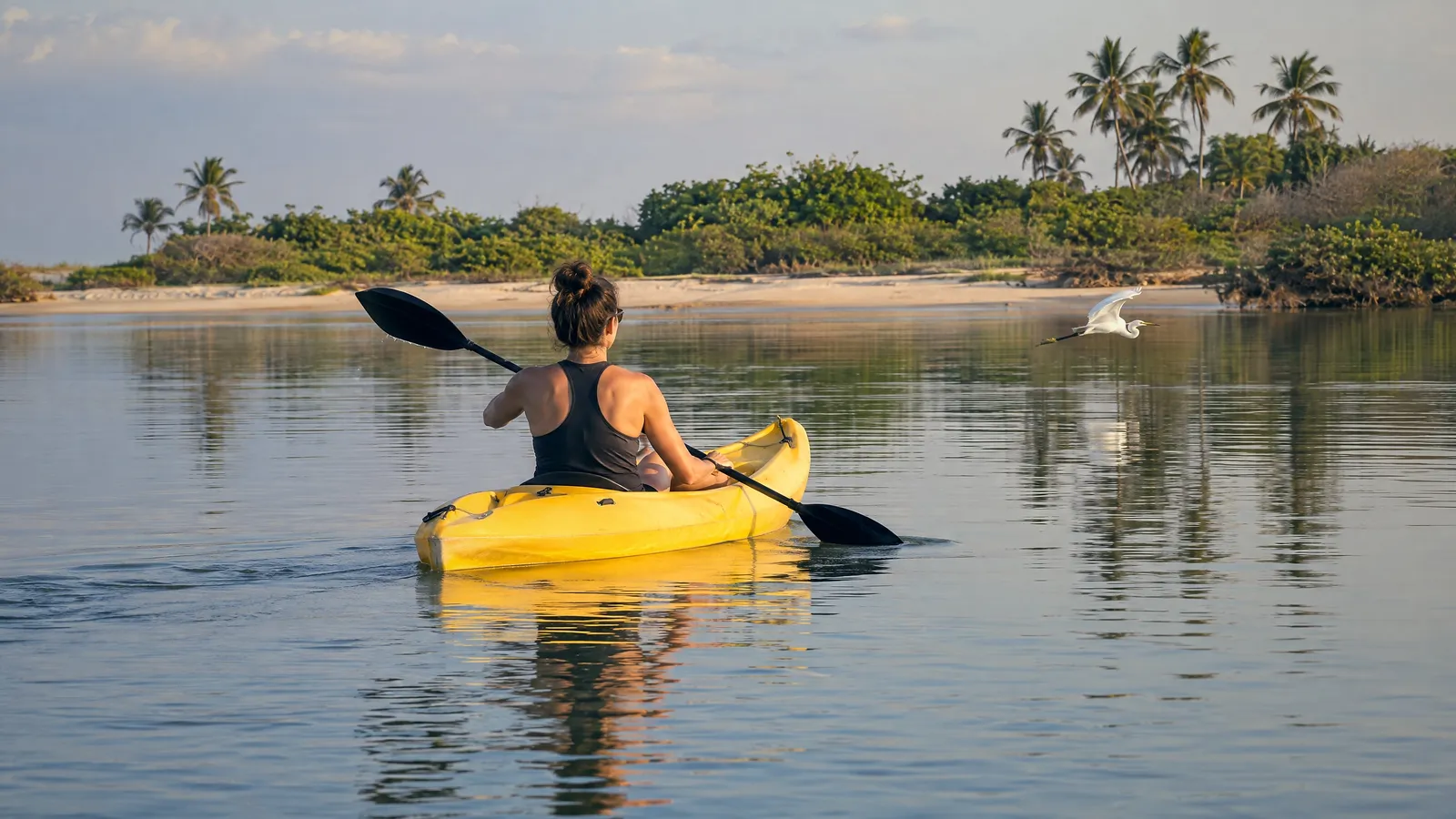 Water and coastKayaking on the lagoons around TangalleThe coast around Tangalle is broken by quiet lagoons behind the beaches, and some hotels keep kayaks or canoes for their guests to paddle them, among them the Rekawa lagoon east of the town.
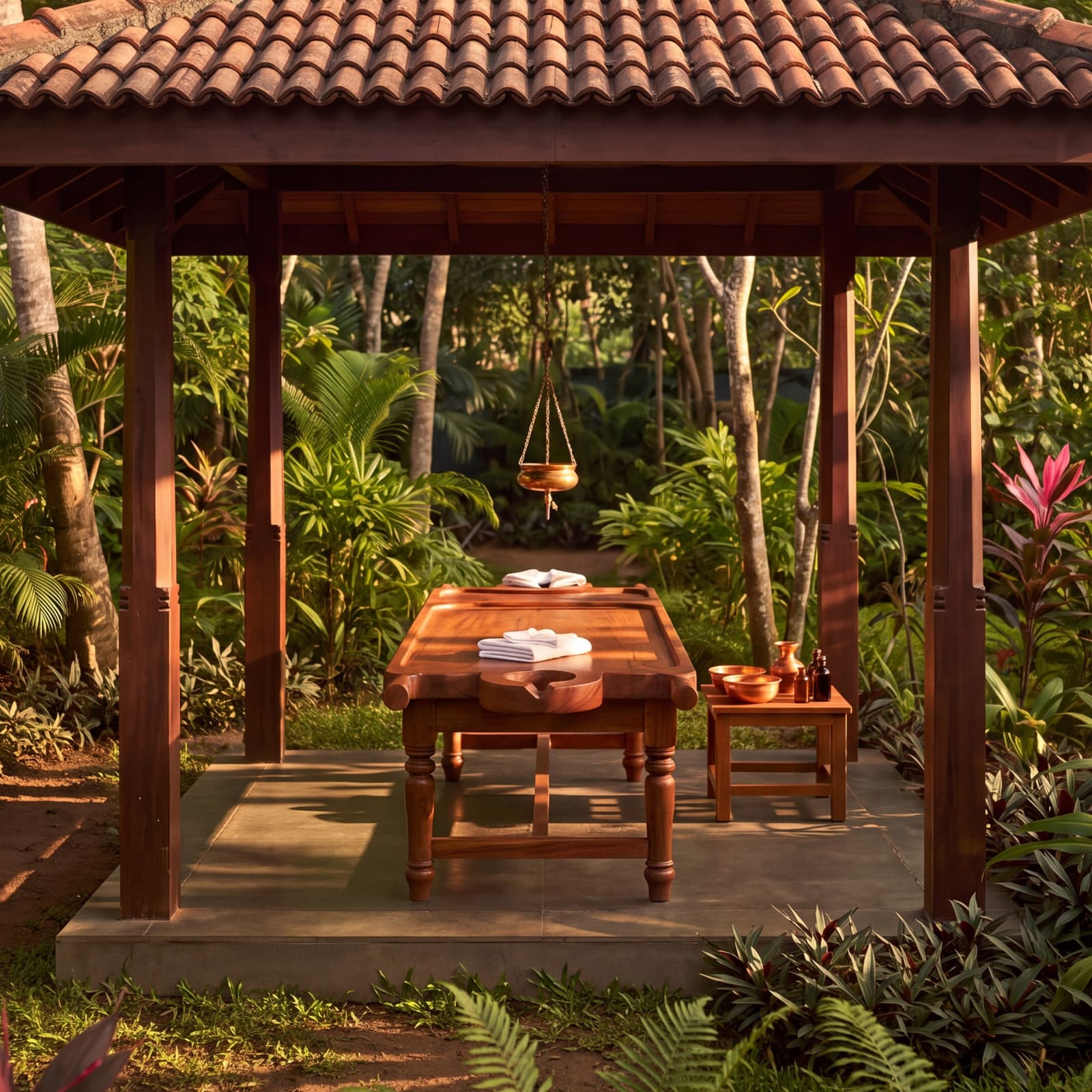
 WellnessAn Ayurveda programme near TangalleAround Tangalle, some resorts keep a resident Ayurvedic doctor and treatment rooms. A stay begins with a consultation, and the doctor then sets the treatments, diet and herbal remedies: warm-oil massage (abhyanga), herbal compresses, and shirodhara, in which warm herbal oil flows steadily across the forehead.
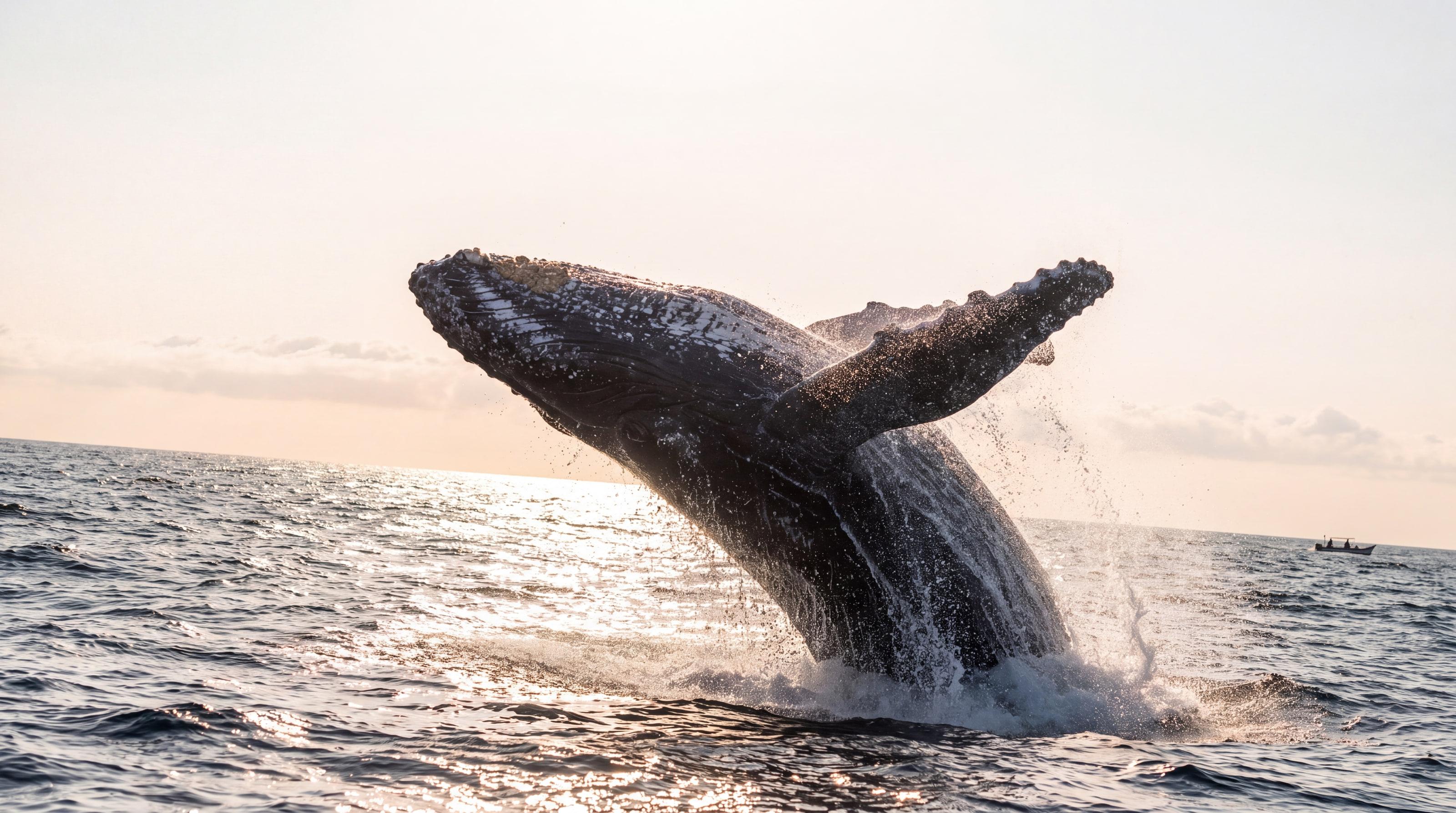
 Nature and wildlifeWhale watching from MirissaThe continental shelf drops away sharply off Mirissa, so blue whales pass close to the south coast on their seasonal migration, and the town is one of the island's main whale and dolphin watching bases. Boats leave the harbour at about 06:30, for the calmest water and the best light.
 AdventureSurf lessons on the south coastWeligama Bay is where most people learn: a long sandy beach with no reef, waves that break gently, and water shallow enough to stand in across much of the bay, at 27 to 29 °C all year. A lesson of about 90 minutes starts on the sand with safety and technique, then moves into the water beside the instructor.
 WellnessYoga on the south coastThe south coast, around Weligama, Ahangama, Mirissa, Hiriketiya and Tangalle, is where many of the island's yoga retreats are based, often paired with surfing. Hatha, vinyasa and yin are the usual styles, taught in open-sided shalas facing the sea or set among the palms.
 Culture and heritage · about 1.5 hoursDondra Head, the island's southern tipDondra Head, 6 km south-east of Matara, is the southernmost point of Sri Lanka and carries the island's tallest lighthouse, a 49 m tower completed in 1890. The town behind it is Devinuwara, 'city of the gods', which gives the headland its name.
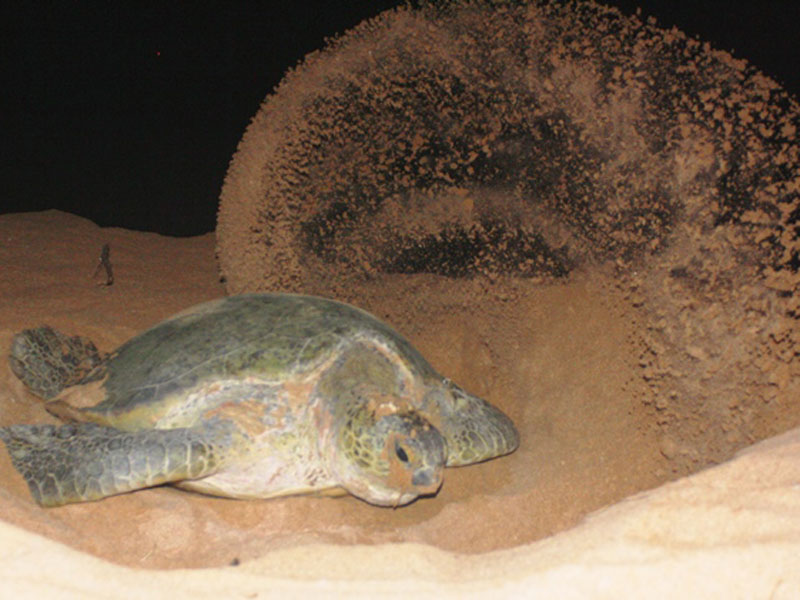 Nature and wildlifeWatching turtles nest at RekawaRekawa beach, 10 km east of Tangalle, is where 5 species of sea turtle come ashore to nest: green, loggerhead, leatherback, olive ridley and hawksbill. A turtle watch run by the local community guides visitors onto the beach at night.
 Culture and heritageMulkirigala rock templeMulkirigala, about 20 km north of Tangalle, is a Buddhist monastery built up a great natural rock, founded according to the Mahavamsa by King Saddhatissa and added to by kings through to the 18th century. Its 7 cave temples sit on 5 terraces, with reclining Buddhas, the largest about 15 m long, and Kandyan-era paintings of the life of the Buddha and the Jataka stories.
 Nature and wildlifeThe birds of the Kalametiya lagoon by boatKalametiya, 24 km east of Tangalle, is a sanctuary of coastal lagoons and mangroves, first protected in 1938 and declared again in 1984, where about 150 species of birds have been recorded, 54 of them migrants. It shelters 4 nationally threatened birds, among them the glossy ibis and the black-capped purple kingfisher.
 Nature and wildlifeA safari in Bundala National ParkBundala was Sri Lanka's first Ramsar wetland, in 1991, and is a UNESCO biosphere reserve: a park of 5 shallow brackish lagoons, salt pans, thorny scrub and dunes that is an important wintering ground for migrant water birds. Close to 200 bird species have been recorded, and greater flamingos arrive in flocks of more than 1,000.
Photographs from Wikimedia Commons: Matara: the Dutch Star Fort and the Weherahena temple: Michael Gunther, CC BY-SA 4.0 via Wikimedia Commons; The great seated Buddha of Wewurukannala, Dikwella: Eleleleven from Bielefeld, Deutschland, CC BY-SA 2.0 via Wikimedia Commons; The Hummanaya blowhole at Kudawella: Thilanka Kasunjith, CC BY-SA 4.0 via Wikimedia Commons; Ussangoda, the red plateau above the sea: A.Savin, FAL via Wikimedia Commons; A Sri Lankan cooking lesson with your hotel's chef: Photograph from Resplendent Ceylon's own site; A bicycle ride through the paddy fields and villages: Photograph from Malabar Hill Sri Lanka's own site; An Ayurveda programme near Tangalle: Photograph from Resplendent Ceylon's own site; Whale watching from Mirissa: Arian Zwegers, CC BY 2.0 via Wikimedia Commons; Surf lessons on the south coast: Ji-Elle, CC BY-SA 3.0 via Wikimedia Commons; Yoga on the south coast: Photograph from Resplendent Ceylon's own site; Dondra Head, the island's southern tip: Steffen Schmitz, CC BY-SA 4.0 via Wikimedia Commons; Watching turtles nest at Rekawa: Photograph from Nature Friends of Rekawa's own site; Mulkirigala rock temple: Dan arndt, CC BY-SA 4.0 via Wikimedia Commons; The birds of the Kalametiya lagoon by boat: Peter Addor, CC BY-SA 4.0 via Wikimedia Commons; A safari in Bundala National Park: Manelka Jayasundara, CC BY-SA 4.0 via Wikimedia Commons.
Questions about Tangalle
Planning with us starts with a conversation, so ask anything: a person on our team replies to every message.
Yes, if you want quiet: where the coast to the west is busy, Tangalle's is a run of quiet coves and long, empty beaches. Turtles nest at Rekawa nearby, and the rock temple of Mulkirigala is inland. We choose the cove and the house to match.
It is a place to stay, not to pass through: give it time to do very little, with an evening at Rekawa for the turtles. We plan it as the restful part of your trip.
Mirissa for whale watching and a livelier small beach; Tangalle for quiet coves and space, where the dry zone begins and the weather settles earlier. We can base you in Tangalle and take you to Mirissa's boats.
December to April. Tangalle sits at the edge of the dry zone: the south-west monsoon, May to October, is the wet season, and the north-east monsoon months are the settled ones here.
By road, 3 to 4.5 hours from Bandaranaike International Airport. Beliatta, the current terminus of the Coastal Line, is the nearest station. By air, Cinnamon Air lists Dickwella, on the Mawella lagoon, for charter.
Also in the south coast
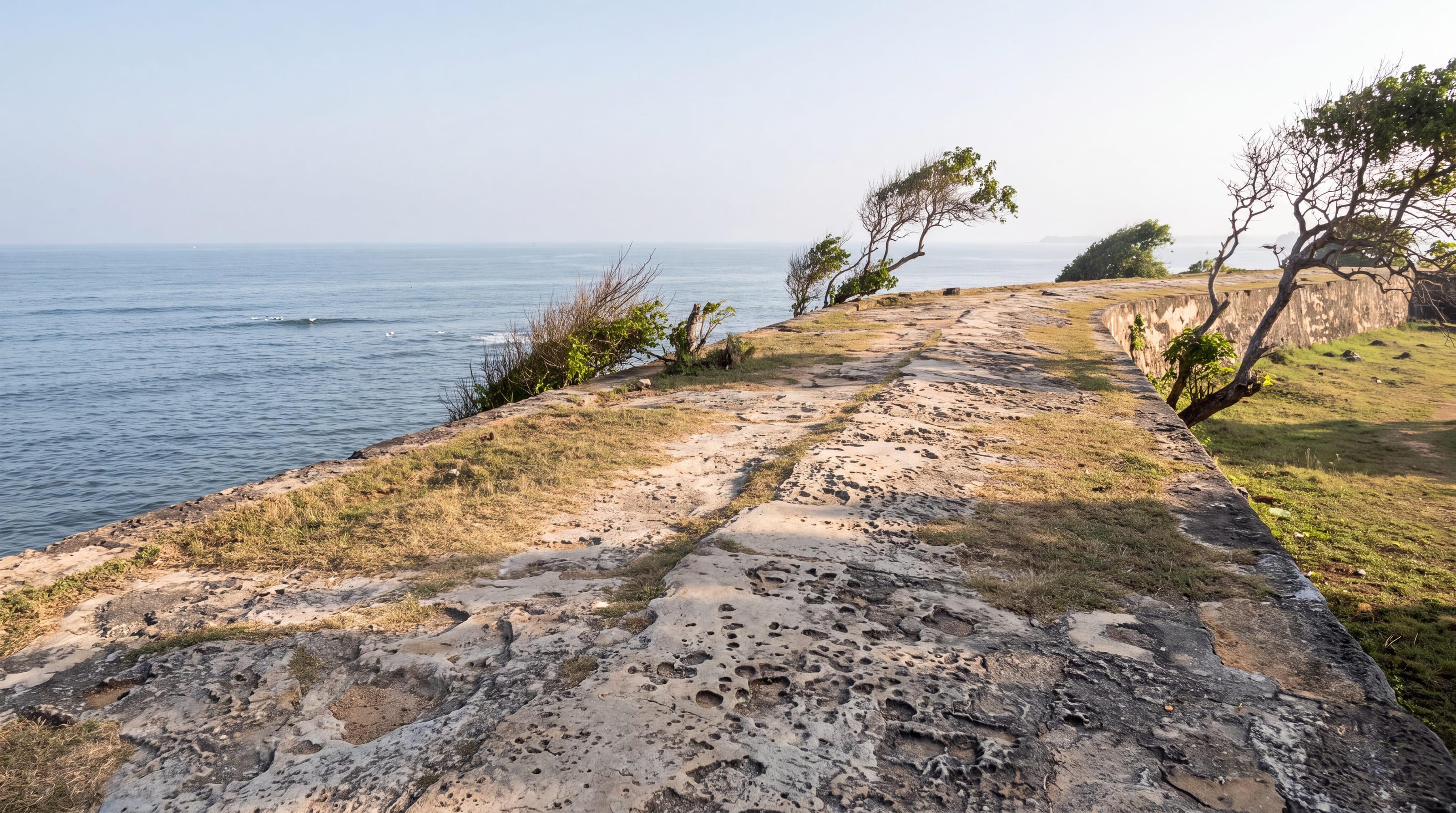
Galle
The Dutch fort on the south-west tip, a World Heritage Site since 1988
Best December to March
- A walk around Galle Fort
- The coral reef of Hikkaduwa National Park
- Rainforest birding at Kottawa and Hiyare, near Galle
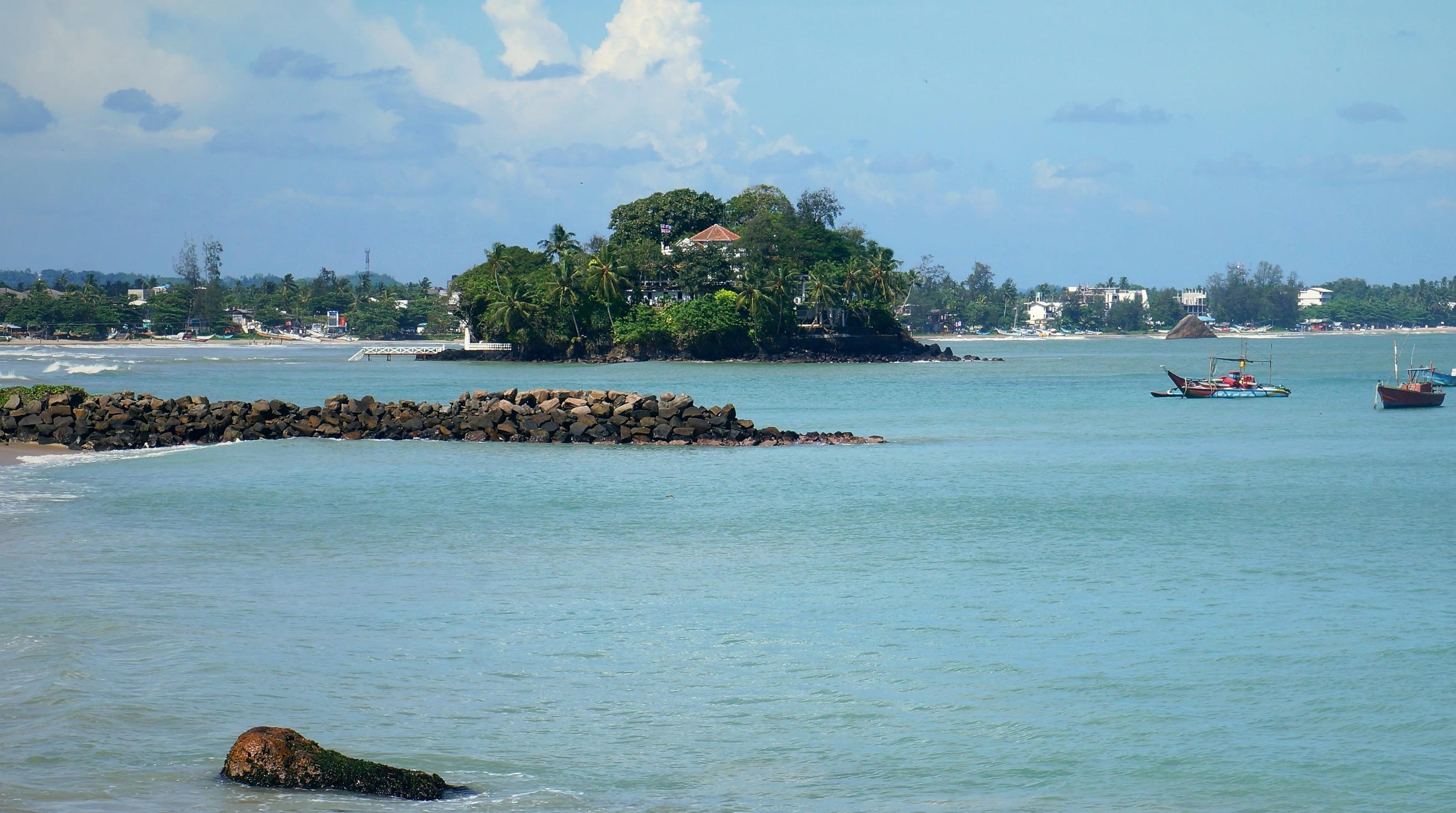
Weligama
A wide, gentle bay: the beginner's surf, the stilt fishermen, an island villa
Best December to March
- The stilt fishermen of the south coast
- Surf lessons on the south coast
- Koggala: the folk museum and the painted temple at Kataluwa
Mirissa
The whale-watching harbour of the south, blue whales November to April
Best November to April
- Whale watching from Mirissa
- Dondra Head, the island’s southern tip
- Cinnamon peeling on an estate in the hills behind Mirissa
