
Weligama A wide, gentle bay: the beginner's surf, the stilt fishermen, an island villa
The place
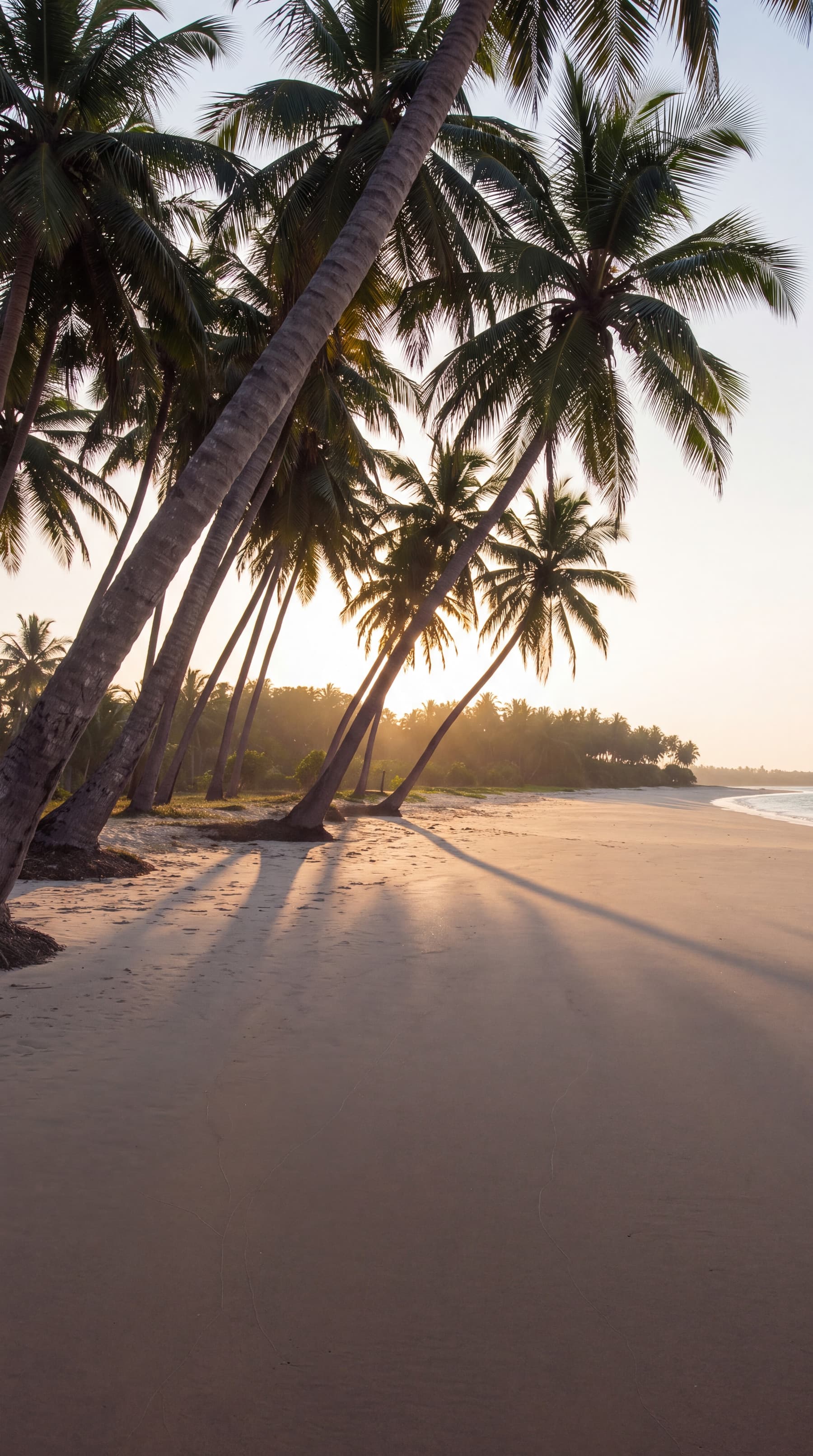
Weligama is a fishing and surfing town on a wide sandy bay of the south coast, about 144 km from Colombo. The name means sandy village, and the bay is exactly that: long, sheltered and gentle enough that this is where most people learn to surf in Sri Lanka.
Just offshore sits Taprobane Island, the islet villa built by Count de Mauny. Along the shore the stilt fishermen perch on poles in chest-deep water. Kushta Raja Gala is a rock-cut relief of Avalokitesvara, 3 m tall and dated to the 6th to 9th century, and the town still makes beeralu lace, a craft the Portuguese brought in the 16th century.
Photograph above: PIERRE ANDRE LECLERCQ, CC BY-SA 4.0, cropped and colour-graded, via Wikimedia Commons
When to go
December to March
The south-west monsoon, May to October, is the wet season here; December to March is driest. On this coast the surf season runs November to March.
Getting there
- By road, 3.5 to 5 hours from Bandaranaike International Airport, most of it on the Southern Expressway.
- Weligama station is on the Coastal Line from Colombo to Matara and Beliatta.
- By air, Cinnamon Air's scheduled seaplane to Koggala lands a short drive west.
Worth seeing
Taprobane Island
The offshore islet villa built by Count de Mauny.
Kushta Raja Gala
A 3 m rock-cut Avalokitesvara relief of the 6th to 9th century.
The stilt fishermen
Perched on poles in chest-deep water just offshore.
Weligama Bay
The beginner's surf beach.
Beeralu lace
A craft the Portuguese introduced in the 16th century.
Asked often
- When is the best time to visit Weligama?
- December to March. The south-west monsoon, May to October, is the wet season here; December to March is driest. On this coast the surf season runs November to March.
- How do you get to Weligama?
- By road, 3.5 to 5 hours from Bandaranaike International Airport, most of it on the Southern Expressway. Weligama station is on the Coastal Line from Colombo to Matara and Beliatta. By air, Cinnamon Air's scheduled seaplane to Koggala lands a short drive west.
In Explore
Open Weligama in Explore to choose your stay, your room and your experiences, and add them to your journey.
Where to stay in Weligama
 ResortCape WeligamaAbimanagama Road, on a clifftop promontory above Weligama Bay, west of the town
ResortWeligama Bay Marriott Resort & Spa700 Matara Road, Pelana, on the beach of Weligama Bay, east of the town
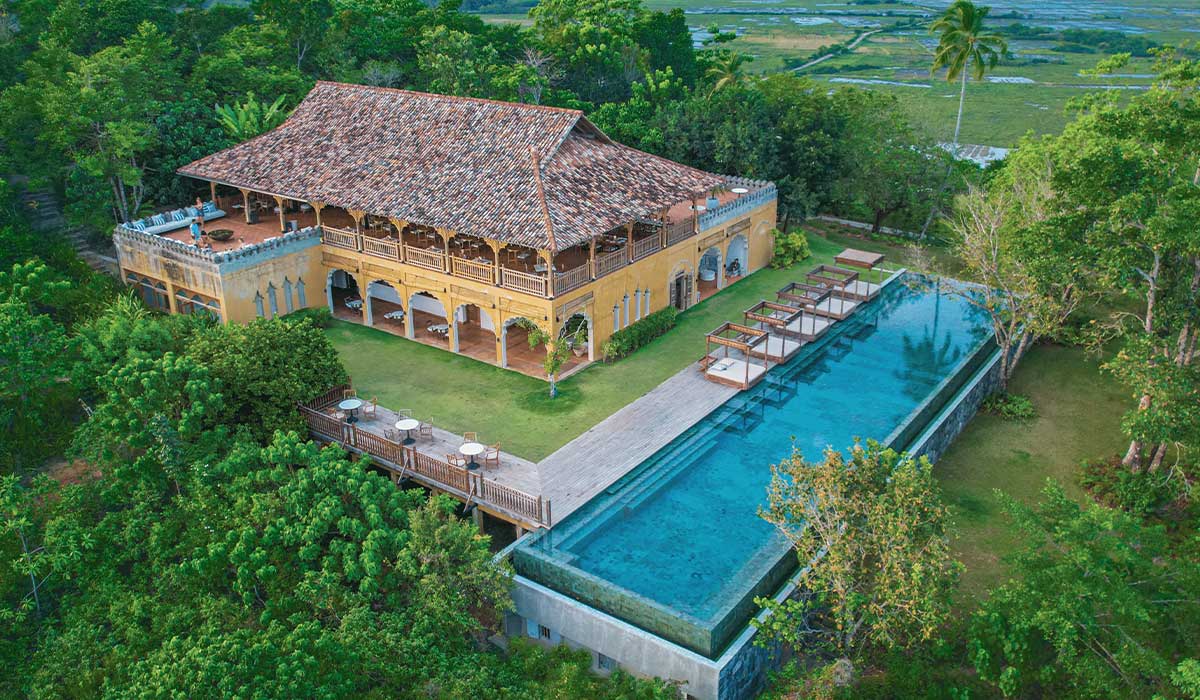 ResortMalabar HillPalalla, Borala Road, on a forested hill inland from Weligama Bay, above rice paddies and a wetland
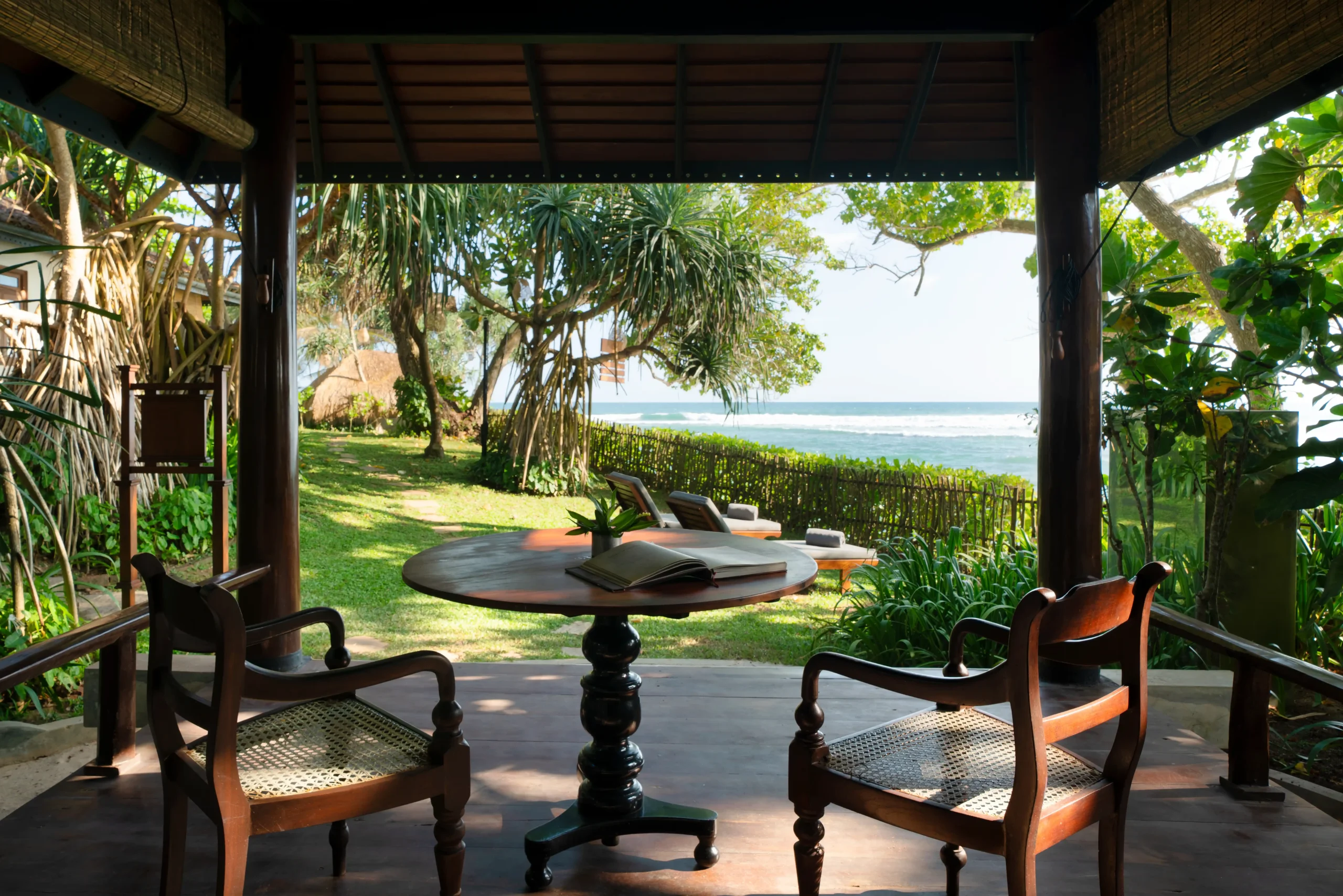 VillaEraeliya Villas & Gardens299 Walliwalla, on the ocean at the west end of Weligama Bay, beside Jungle Beach
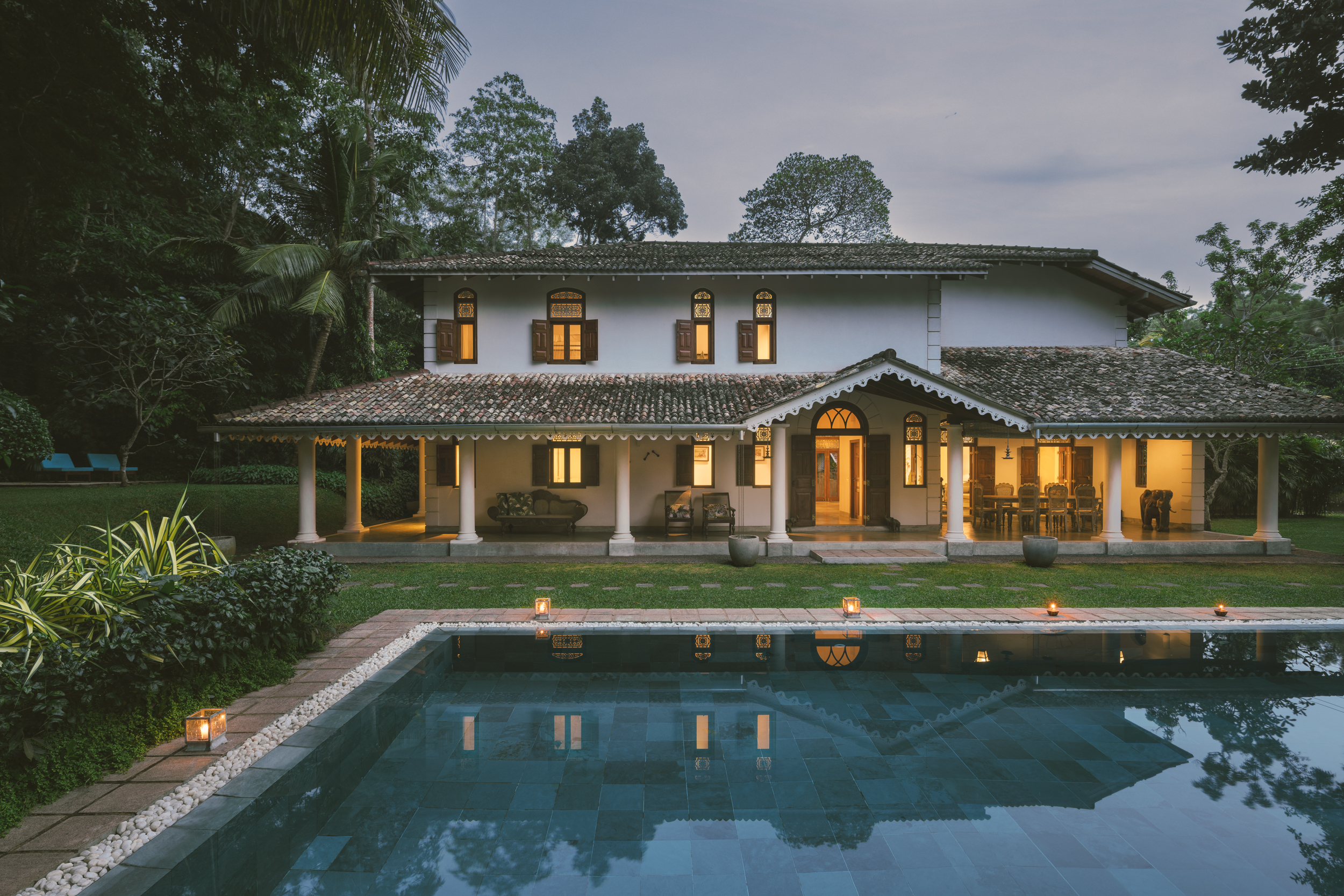 VillaKalukanda HouseKalukanda Road, Kumbalgama, in its own gardens 100 m from Turtle Beach on Weligama Bay
Things to do from Weligama
- Culture and heritage · a short stop on the Matara roadKushta Raja Gala, the rock-cut figure at WeligamaKushta Raja Gala is a relief about 3 m tall carved into a rock face on the edge of Weligama, and it is thought to be all that remains of the old Agrabodhi monastery that once stood there. It shows the Bodhisattva Avalokitesvara, known by the small seated Buddha in his crown, and is dated to between the 6th and 9th centuries AD.
- Culture and heritage · a morning or an afternoon, for both sitesKoggala: the folk museum and the painted temple at KataluwaThe folk museum at Koggala, about 15 minutes west of Weligama, is set around the ancestral home of Martin Wickramasinghe, regarded as the father of modern Sinhala literature, who was born here in 1890. Opened in 1981, it keeps the house with its original furniture and the writer's belongings, and newer galleries hold the folk crafts and tools of the southern countryside: farming, fishing, pottery and metalwork, masks, puppets, drums and the costumes of folk dance and ritual.
- Culture and heritage · a morning or an afternoonMatara: the Dutch Star Fort and the Weherahena templeMatara, about 15 minutes east of Mirissa, was a Dutch stronghold at the mouth of the Nilwala river. The Dutch rampart of the 1640s still closes off the promontory, topped since 1883 by a British clock tower, and across the river stands the small Star Fort, built between 1763 and 1765: a six-pointed star inside a moat, entered by a coral-faced gateway carved with the Dutch East India Company's insignia and the name Redoute Van Eck.
- Culture and heritage · a short visitThe great seated Buddha of Wewurukannala, DikwellaWewurukannala Vihara, at Dikwella about 20 minutes west of Tangalle, is known for its seated Buddha of 160 ft, about 50 m, the largest seated Buddha figure in Sri Lanka, as high as a building of 8 storeys, which rises above the old temple. The temple itself goes back to the late 18th century.
- Dining · a morning, ending with the meal you have cookedA Sri Lankan cooking lesson with your hotel's chefSeveral of the villas and resorts around Weligama and Tangalle, and lodges on the edge of Yala, offer a cooking lesson with their own chefs, arranged with your stay. The chef introduces the island's spices, herbs and coconut, and guests cook at their own stations, from prawn curry and coconut sambol to vegetable curries, and at one safari camp egg hoppers in village-style clay pots.
- Adventure · a ride arranged with your stayA bicycle ride through the paddy fields and villagesVillas and resorts inland from Weligama and around Tangalle keep bicycles for their guests and arrange guided rides along the lanes behind the coast, past paddy fields, village houses, a village tank and small Buddhist temples.
- Culture and heritage · a guided walk and a visit to the peelersCinnamon peeling on an estate in the hills behind MirissaTrue cinnamon is native to Sri Lanka, which still grows 80 to 90% of the world's supply, and it is cultivated along the coastal belt as far south as Matara. In the hills behind Mirissa and Weligama, working estates open their plantations to visitors: one keeps a cinnamon museum among its 40 acres of trees, and another is shown on private tours by its resident owners.
- Culture and heritage · 2 to 3 hours, from 08:00 or from 16:00A walk around Galle FortGalle Fort was begun by the Portuguese and walled by the Dutch from 1649, and its 14 bastions enclose a lived-in town of about 52 ha, a UNESCO World Heritage Site since 1988. Its grid of low gabled houses with verandas, churches, mosques and old warehouses is still home to a mixed community.
- Culture and heritage · about 1.5 hoursA tea estate near the sea at AhangamaTea is not only a hill-country crop: the warm, wet low country of the Galle and Matara districts grows a strong, astringent tea. A few minutes inland from the sea at Ahangama, a family estate opens its tea gardens and factory to visitors.
- Nature and wildlife · a morning, with time to swimRumassala hill, the Peace Pagoda and Jungle BeachRumassala is the wooded headland that closes Galle harbour on its eastern side, held by local tradition to be a piece of the Himalayan mountain that Hanuman dropped while carrying it south in the Ramayana. Its scrub jungle shelters birds and the endemic purple-faced langur, and Japanese monks built a white Peace Pagoda on the headland facing Galle.
- Culture and heritage · about an hour, from first lightThe stilt fishermen of the south coastStilt fishing, ritipanna, is practised in only 3 places, all on the south coast: Koggala and Ahangama in Galle district and Weligama. Each fisherman sits on a crossbar tied to a single pole set in chest-deep water and casts a kithul-wood rod beyond the surf for small fish such as sardines and mackerel.
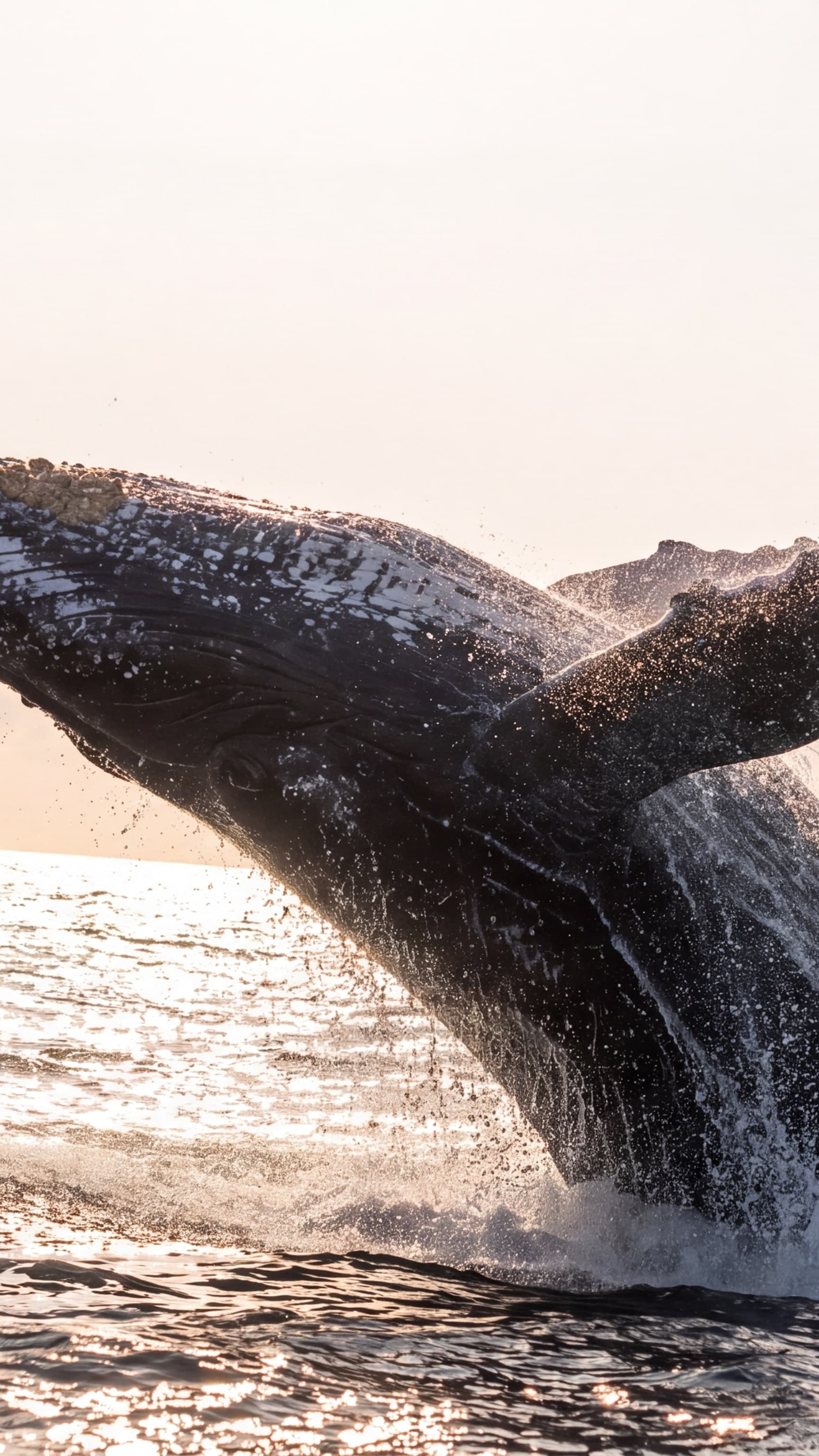
- Nature and wildlife · 3 to 5 hours, leaving the harbour at about 06:30Whale watching from MirissaThe continental shelf drops away sharply off Mirissa, so blue whales pass close to the south coast on their seasonal migration, and the town is one of the island's main whale and dolphin watching bases. Boats leave the harbour at about 06:30, for the calmest water and the best light.
- Adventure · about 90 minutes a lessonSurf lessons on the south coastWeligama Bay is where most people learn: a long sandy beach with no reef, waves that break gently, and water shallow enough to stand in across much of the bay, at 27 to 29 °C all year. A lesson of about 90 minutes starts on the sand with safety and technique, then moves into the water beside the instructor.
- Culture and heritage · about 2 hoursA pottery lesson in a village near WeligamaKumbalgama, a village near Weligama, has a long tradition of making pottery, and its potters open their home workshops to small groups. The session shows each stage of the craft, from preparing the raw clay to shaping it on the wheel, drying it in the sun and firing it.
- Wellness · a private class, or a retreat of 5 to 8 daysYoga on the south coastThe south coast, around Weligama, Ahangama, Mirissa, Hiriketiya and Tangalle, is where many of the island's yoga retreats are based, often paired with surfing. Hatha, vinyasa and yin are the usual styles, taught in open-sided shalas facing the sea or set among the palms.
- Culture and heritage · about 1.5 hoursDondra Head, the island's southern tipDondra Head, 6 km south-east of Matara, is the southernmost point of Sri Lanka and carries the island's tallest lighthouse, a 49 m tower completed in 1890. The town behind it is Devinuwara, 'city of the gods', which gives the headland its name.
Weligama in your journey? Build it in Explore.