
Trincomalee The great natural harbour of the east, with the long beaches north of it
The place
Trincomalee is a port city on the east coast about 257 km from Colombo, built around one of the world's great natural deep-water harbours. Koneswaram Temple stands on Swami Rock, a cliff 400 ft above the sea, within the walls of Fort Frederick, which the Portuguese began in 1623.
North of the city run the beaches of Uppuveli and Nilaveli, with Pigeon Island National Park just offshore, and Marble Beach lies 16 km away. At Kanniya, 7 thermal wells sit in stone enclosures. The east coast keeps the opposite calendar to the west: its dry season runs from April to September, when the south and west are wet.
Photograph above: AntanO, CC BY-SA 4.0, cropped and colour-graded, via Wikimedia Commons
When to go
April to September
Trincomalee is on the east coast, so the north-east monsoon, roughly October to January, is its wet season and April to September is dry.
Getting there
- By road, between 4 and 7 hours from Bandaranaike International Airport, depending on the route: the inland road through Kurunegala, Dambulla and Habarana is the shorter.
- Trincomalee station is the terminus of its own line; the night mail from Colombo Fort runs overnight.
- By air, Cinnamon Air flies scheduled seaplanes to China Bay in about 45 minutes.
Worth seeing
Koneswaram Temple
On Swami Rock, a 400 ft cliff over the sea.
Fort Frederick
Begun by the Portuguese in 1623.
Nilaveli Beach and Pigeon Island
The long beach and the marine national park offshore.
Uppuveli Beach
The beach nearest the city.
Kanniya hot springs
7 thermal wells in stone enclosures.
Marble Beach
16 km from the city.
Asked often
- When is the best time to visit Trincomalee?
- April to September. Trincomalee is on the east coast, so the north-east monsoon, roughly October to January, is its wet season and April to September is dry.
- How do you get to Trincomalee?
- By road, between 4 and 7 hours from Bandaranaike International Airport, depending on the route: the inland road through Kurunegala, Dambulla and Habarana is the shorter. Trincomalee station is the terminus of its own line; the night mail from Colombo Fort runs overnight. By air, Cinnamon Air flies scheduled seaplanes to China Bay in about 45 minutes.
In Explore
Open Trincomalee in Explore to choose your stay, your room and your experiences, and add them to your journey.
Where to stay in Trincomalee
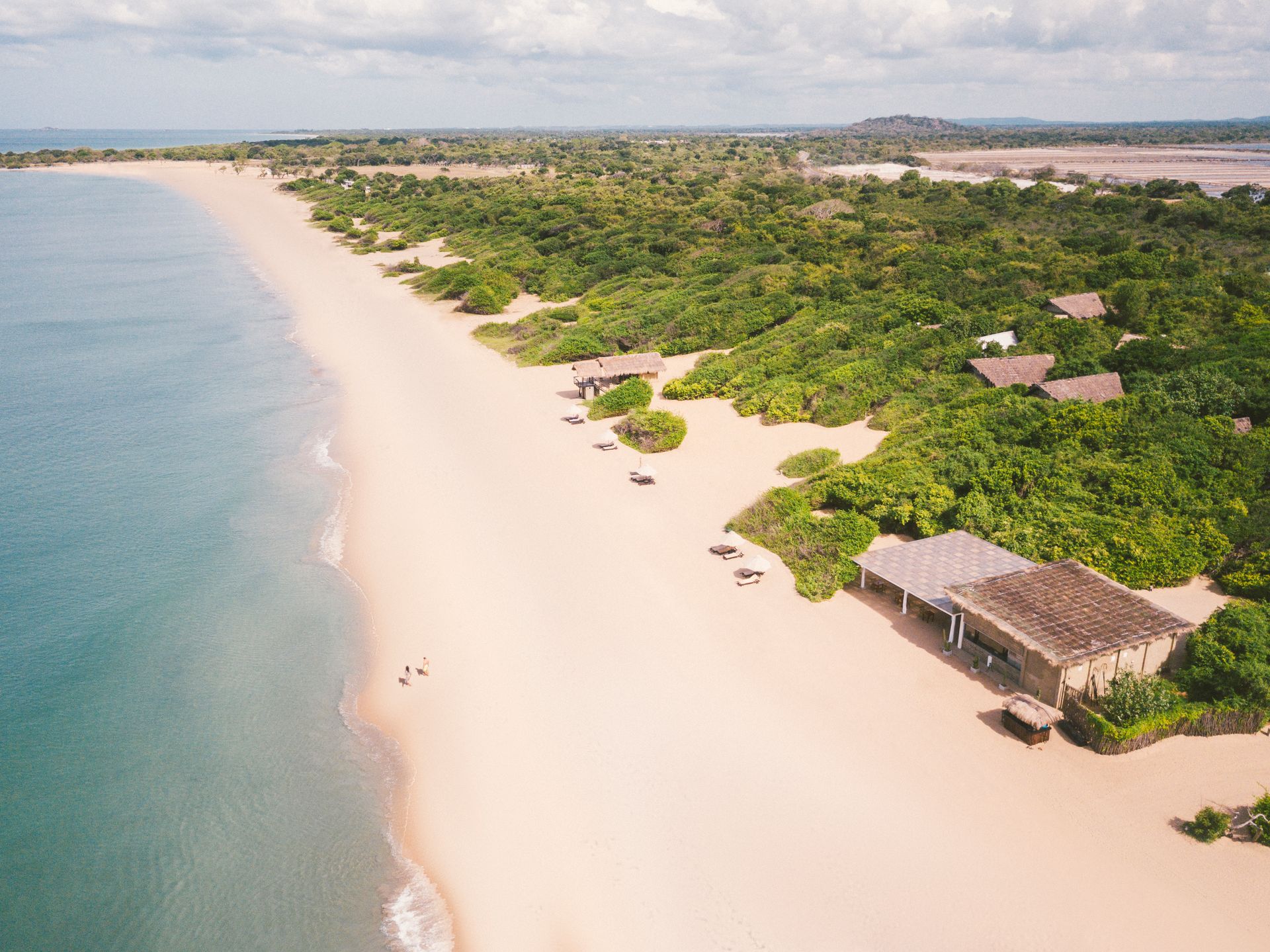 ResortJungle Beach, an Uga ExperienceKuchchaveli, at the 27th km post on the Pulmoddai road north of Nilaveli, between a lagoon and the sea
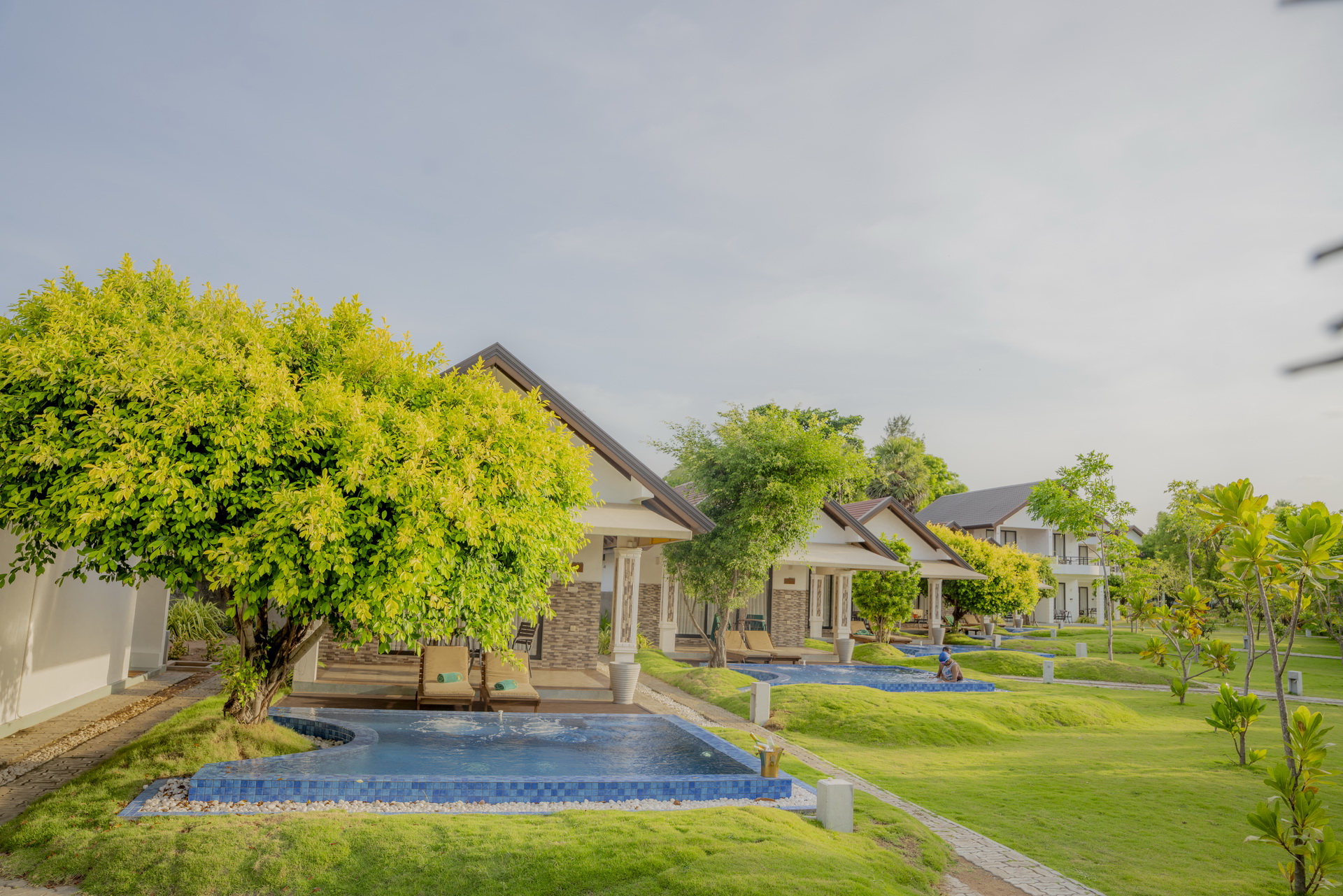 ResortUppuveli Beach by DSK84 Nilaveli Road, at the 3rd mile post, Uppuveli, on the beach north of Trincomalee town
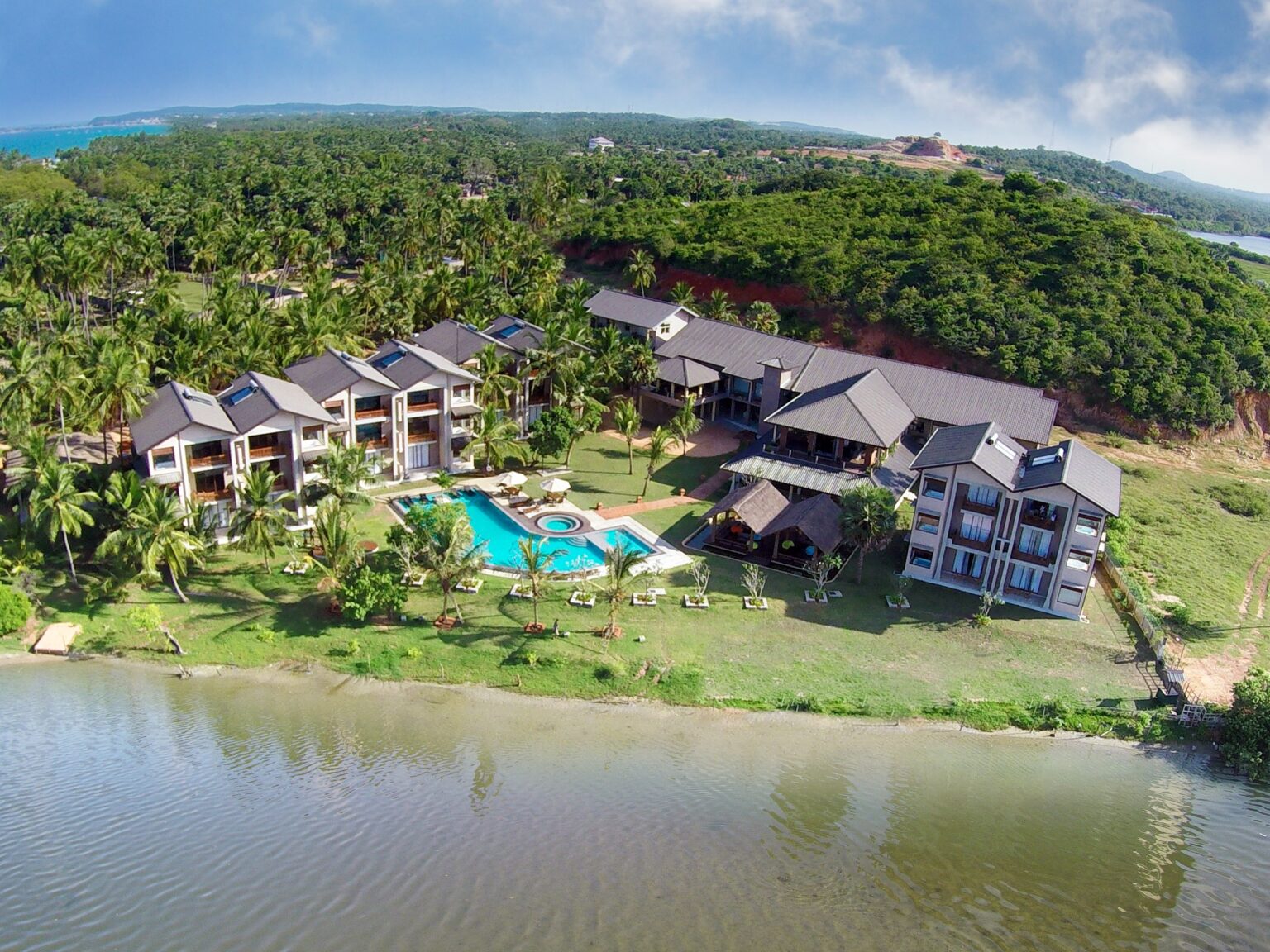 Boutique hotelAmaranthé Bay Resort & Spa101/17 Alles Garden Road, Uppuveli, on the shore of the Pillaikulam Aru lagoon north of Trincomalee
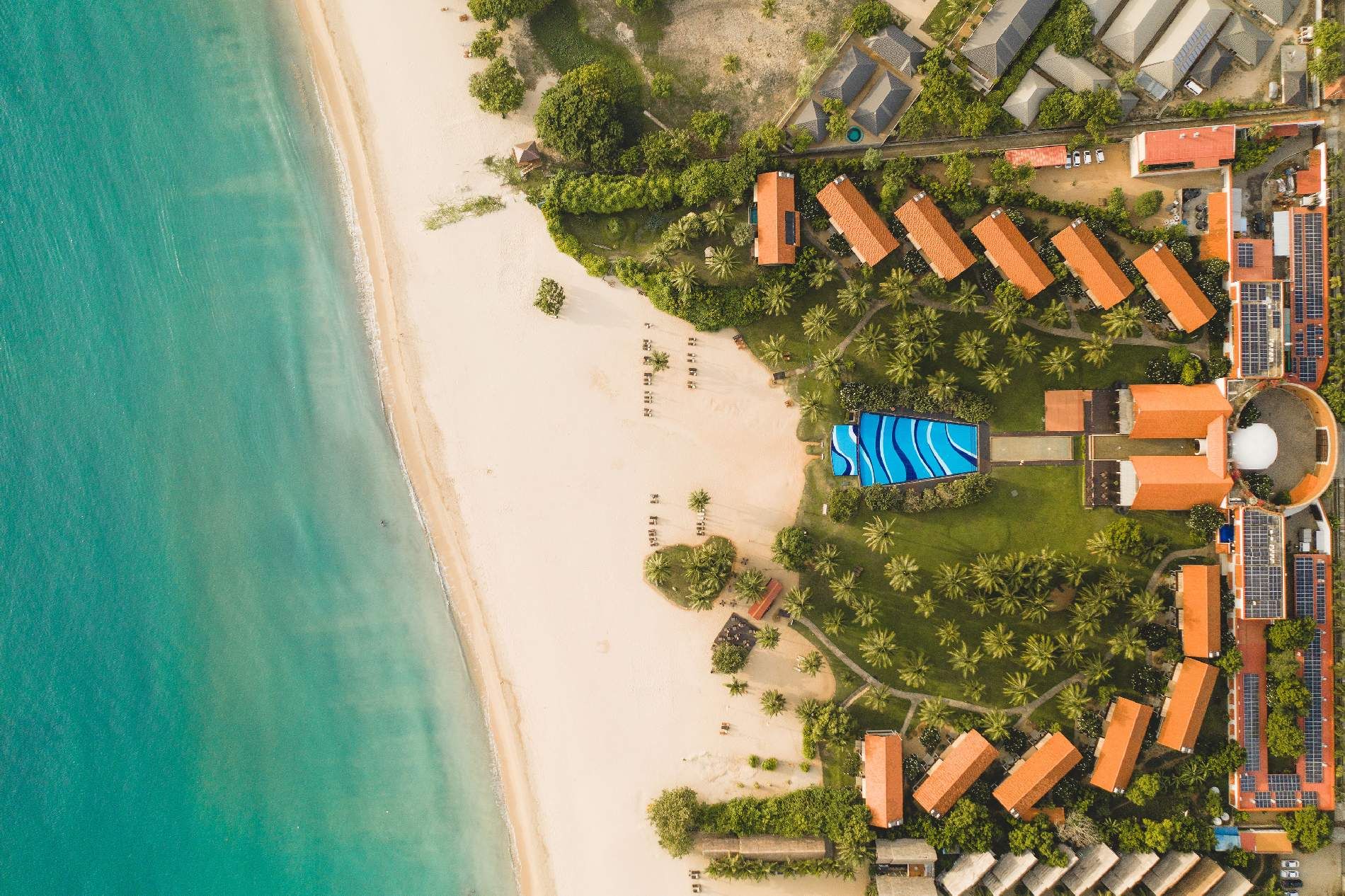 ResortThe Bay, an Uga ExperiencePassikudah: Coconut Board Road, on the bay front at Pasikuda, Batticaloa District, south of Trincomalee
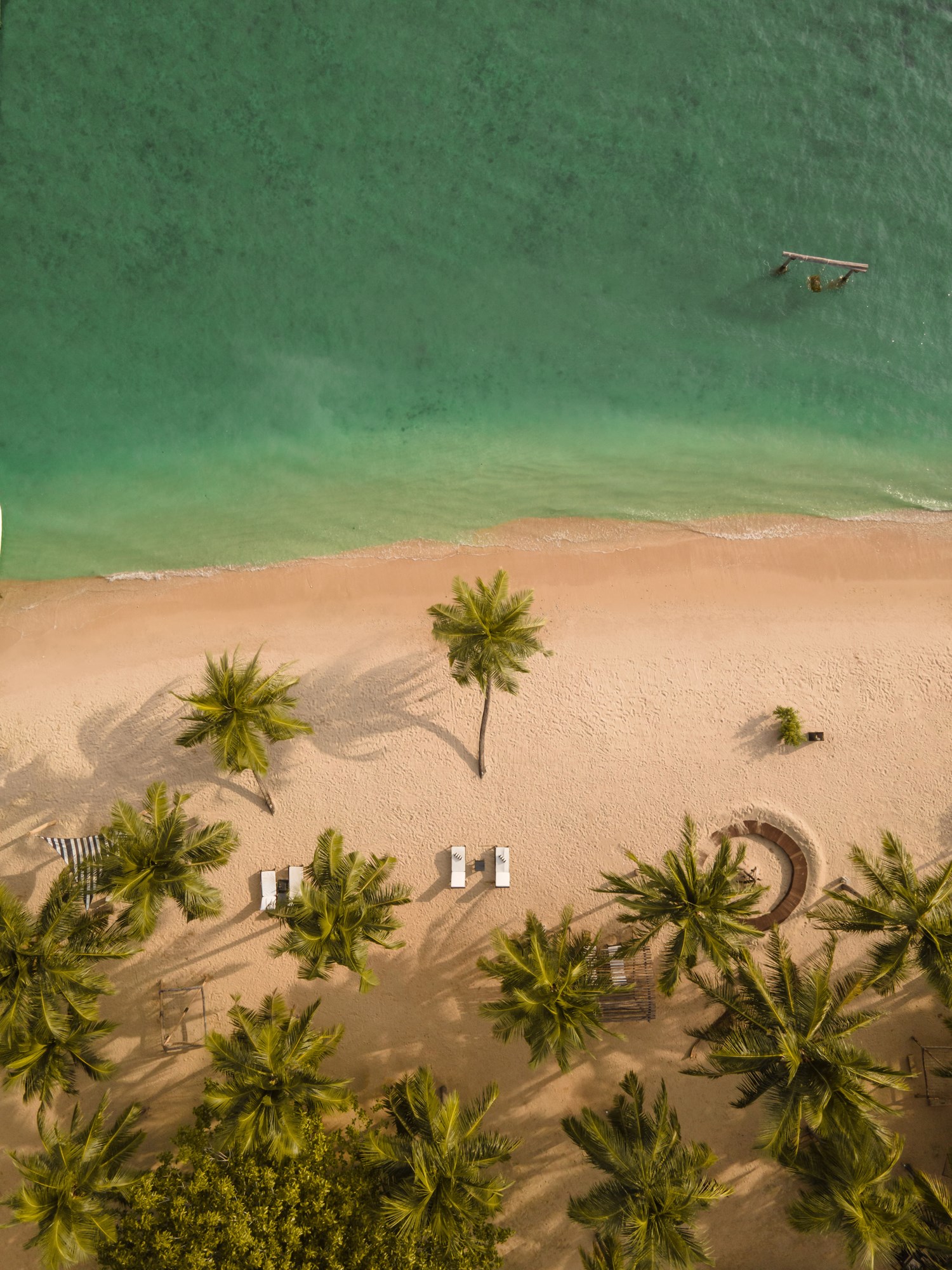 ResortSun Siyam PasikudahPassikudah: on the beach at Kalkudah 30410, on the Passikudah bay coast of Batticaloa District
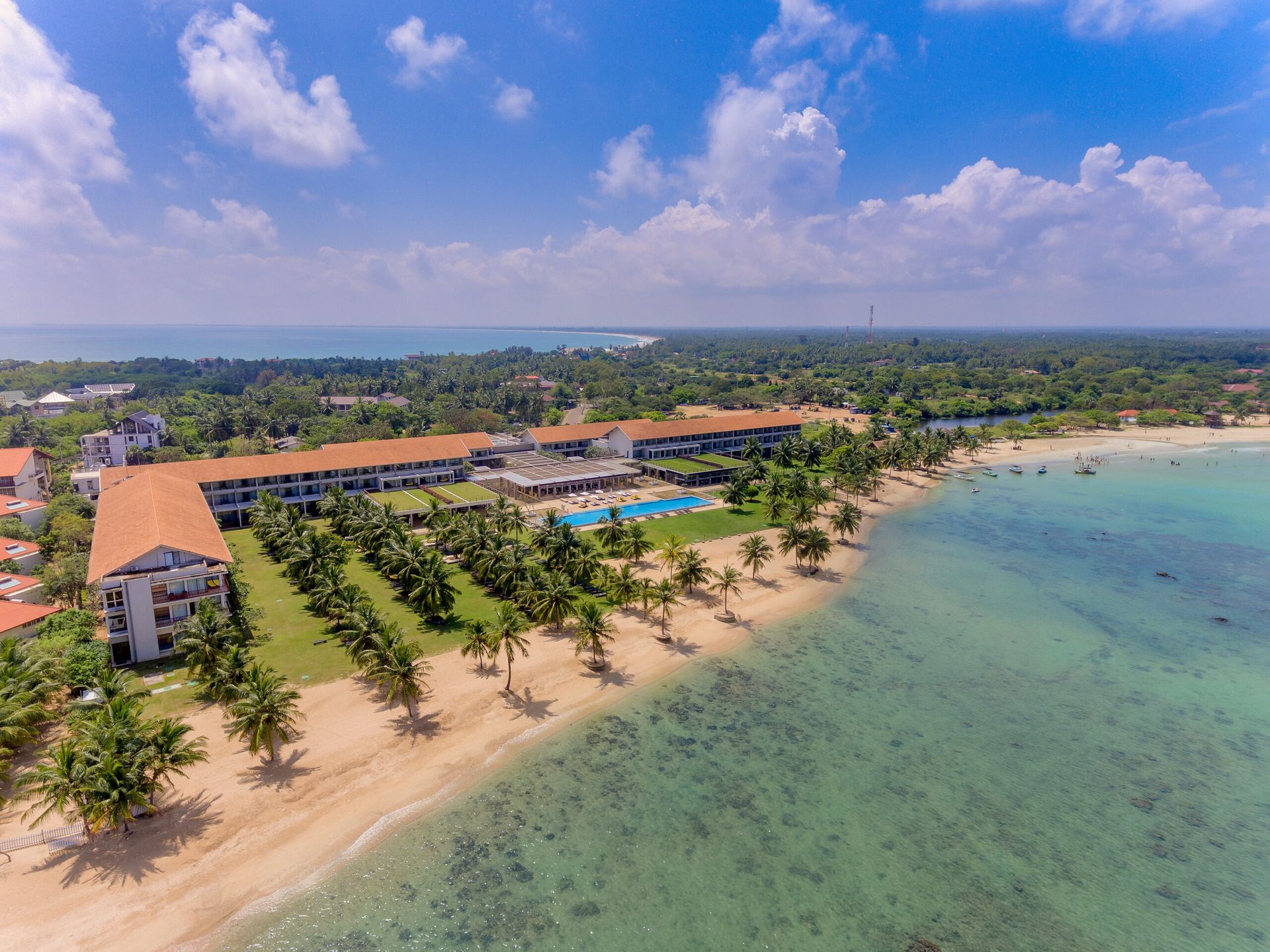 ResortAmaya Beach PasikudahPassikudah: Beach Road, on the shore of Pasikudah bay, Batticaloa District
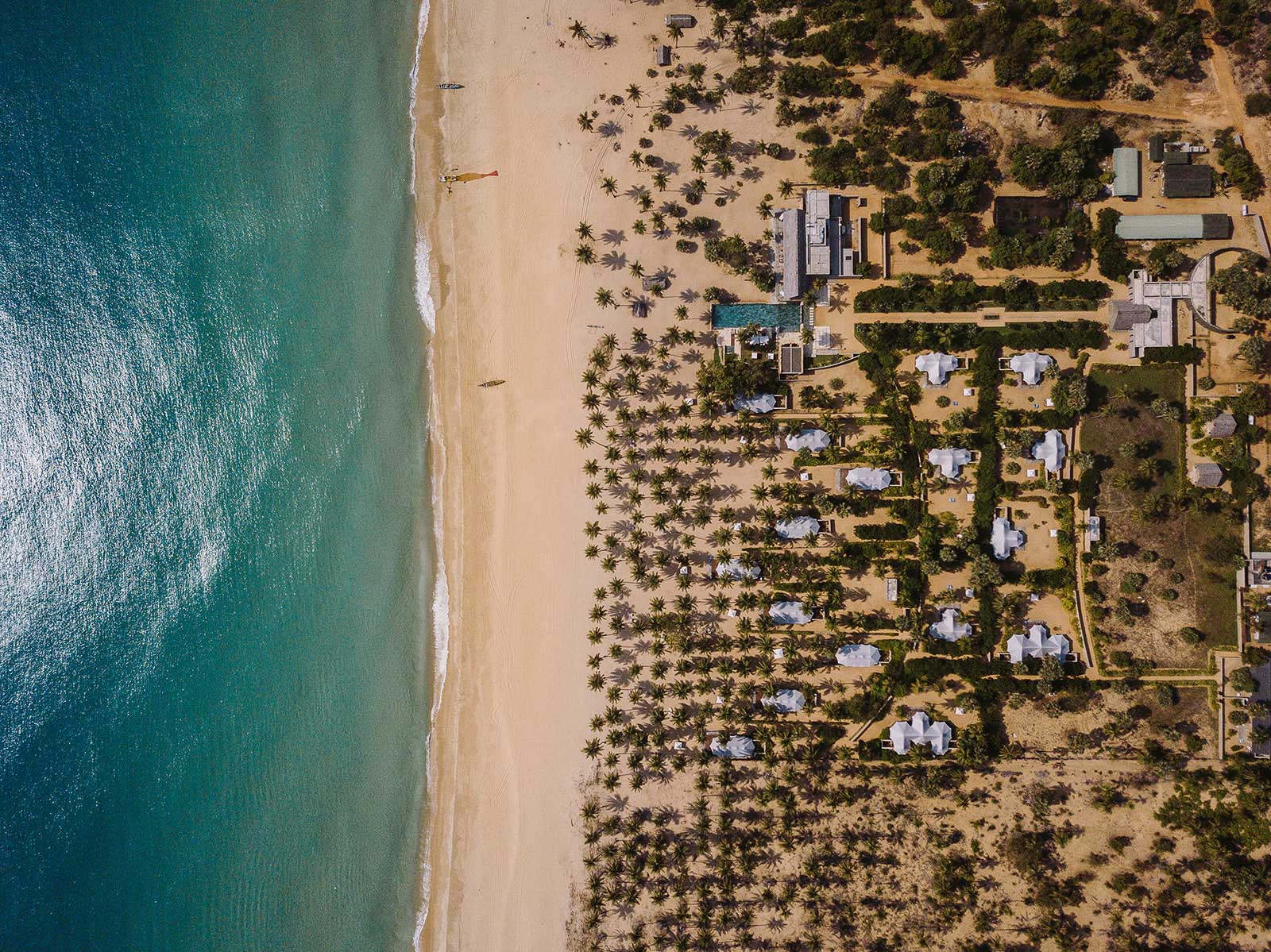 Tented campKarpaha SandsPassikudah: Kalkudah beach at Kiran village, the bay immediately south of Passikudah, in an old coconut plantation
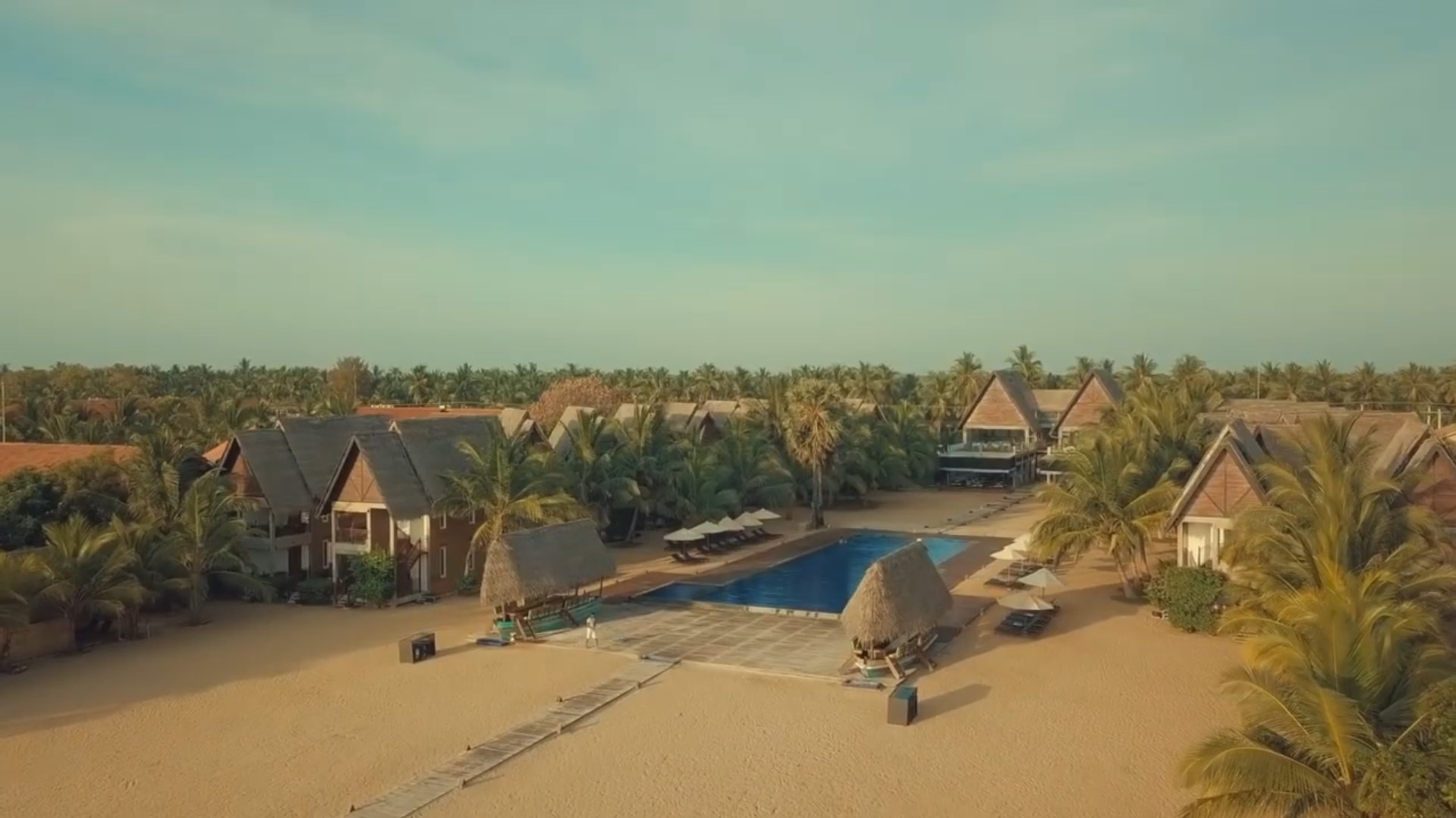 ResortMaalu Maalu Resort & SpaPassikudah: Coconut Development Board Road, on the beach at Pasikuda, Batticaloa District
Things to do from Trincomalee
- Nature and wildlife · half a day, leaving about 06:00 from UppuveliWhale watching off TrincomaleeTrincomalee sits on a deep-water bay, more than 300 m deep, that opens to the Bay of Bengal. Blue whales, sperm whales and spinner dolphins are the usual sightings, and sperm whales are met here more often than off the south coast.
- Water and coast · half a day, with boats leaving Nilaveli beach between about 07:00 and 09:00Snorkelling at Pigeon IslandPigeon Island, a short boat ride off Nilaveli, has been a marine national park since 2003: 2 small islands where rock pigeons nest, ringed by some 100 species of coral and around 300 species of reef fish. Blacktip reef sharks are common and shy, and hawksbill and olive ridley turtles are sometimes seen.
- Adventure · a morning on a dive boatDiving the reefs and rocks of TrincomaleeThe coast from Trincomalee to Nilaveli has dive sites for every level, from reefs of about 7 m off Uppuveli suited to beginners to rock formations of 20 m and more at Swami Rock and Rawana Rock below the Koneswaram cliff. Reef fish, moray eels, rays, turtles and blacktip reef sharks are the common sightings.
- Culture and heritage · about 2 hours, early in the morning or before sunsetKoneswaram temple on Swami Rock, through Fort FrederickKoneswaram is a Hindu temple to Shiva on Swami Rock, a cliff of about 400 ft over the sea, whose first shrine is thought to have stood before 400 CE; the Portuguese destroyed the great temple in 1624, and the present temple was rebuilt from 1963. It stands inside Fort Frederick, first fortified by the Portuguese in the 1620s, rebuilt by the Dutch and renamed by the British after they took it in 1795.
- Culture and heritage · about an hour, best in the morningThe hot wells of KanniyaKanniya, just outside Trincomalee, is a group of 7 hot wells set in stone enclosures and protected by the archaeological department. Legend holds that King Ravana struck the ground with his sword in 7 places after his mother's death and hot water rose from each.
- Culture and heritage · a short visit, about 10 minutes' drive north of the townThe Commonwealth war cemetery at TrincomaleeOn the Nilaveli road about 6 km north of Trincomalee, the war cemetery holds the graves of more than 300 servicemen of the Second World War, when, after the fall of Singapore, Trincomalee became an important naval base for the shipping lanes of the Bay of Bengal and the Indian Ocean. Most of the men buried here were British, with others from India, the Netherlands, New Zealand, Canada and Australia, and it is 1 of 6 Commonwealth war cemeteries in Sri Lanka.
- Water and coast · a morning, about 30 minutes' drive south of TrincomaleeA morning at Marble BeachMarble Beach lies on Koddiyar Bay about 16 km south of Trincomalee, inside an area controlled by the Sri Lanka Air Force, which maintains the beach and runs a resort beside it. The water is clear and calm, so clear that the seabed can be seen from the shore.
- Culture and heritage · part of a morning, about 20 minutes' drive north-west of TrincomaleeVelgam Vehera, the monastery the Cholas restoredVelgam Vehera, at Kanniya about 20 minutes' drive north-west of Trincomalee, is an ancient Buddhist monastery that tradition dates to the reign of King Devanampiya Tissa; its earliest inscription, from the reign of King Bhatika Tissa in the 2nd century AD, records revenue granted to it. When the Chola kings of south India held the north of the island from the late 10th century, they restored it rather than destroying it, renamed it Rajarajaperumpalli after King Rajaraja I, and left Tamil inscriptions recording gifts to the shrine, among them cattle for its lamps.
- Culture and heritage · a short visit in the town, on the road to KoneswaramPathirakali Amman Kovil, the Kali temple of TrincomaleePathirakali Amman Kovil is dedicated to Bhadrakali, a form of the goddess Kali, and is regarded as the guardian deity of Trincomalee. It stands on the road to Swami Rock, just before the entrance to the Koneswaram headland, and belongs to the old temple complex of Koneswaram, sharing its festival processions. Pilgrims came here before the 11th century, when King Rajendra Chola I enlarged the shrine, and an inscription he left is displayed at the temple.
- Wellness · booked with your stay, on any day of itAn Ayurveda treatment or massage with your stayThe resorts north of Trincomalee and at Pasikudah further south have spas, and several offer Ayurveda, the traditional system of medicine with roots in the Indian subcontinent, alongside massage and other treatments. At some, an Ayurvedic doctor sees the guest before treatment and can draw up a personal plan; another gives treatments such as shirodhara in private pavilions in the garden.
- Dining · a morning, ending with lunchA Sri Lankan cookery demonstration with your stay's chefResorts on this coast bring guests into the kitchen, where a chef shows how some of the island's best-known dishes are prepared, from the coconut and aromatic spices that Sri Lankan cooking is built on to the heat it is known for. At 1 of them, the morning begins with the chef at the local market, choosing the day's ingredients.
Trincomalee in your journey? Build it in Explore.