
Arugam Bay The east coast's surf point, in season from April to October
Arugam Bay is a fishing village and surf resort on the dry south-east coast, 320 km east of Colombo and 4 km south of Pottuvil. It is the only international surf competition venue in Sri Lanka and has hosted most of the island's international events since 2004. Main Point, the right-hand reef break, runs up to 750 m.
Beyond the main break are Whiskey Point, Peanut Farm and Pottuvil Point, and the beach headland of Elephant Rock. Kumana National Park is 44 km south, with the elephants of Lahugala in between. The bay faces east, so its season is the reverse of the south coast's: April to October, at its best in July and August, and most hotels close from November to March.
What to see in Arugam Bay
- Main Point
The 750 m right-hand reef break.
- Whiskey Point, Peanut Farm and Pottuvil Point
The outlying surf breaks.
- Elephant Rock
The beach headland, also called Crocodile Rock.
- Kumana National Park
44 km south, with Lahugala's elephants between.
The best time to visit Arugam Bay
Arugam Bay faces east, so the north-east monsoon, roughly October to January, is its wet season. The surf season runs April to October and peaks in July and August.
April to October
How to reach Arugam Bay
- By road7 to 8 hoursFrom the airport, 347 km
- By airCinnamon Air's nearest point is Batticaloa, scheduled and charter, with the last leg by road.
- By helicopter1 hour 20 minutesFrom the airport, 220 km, estimated
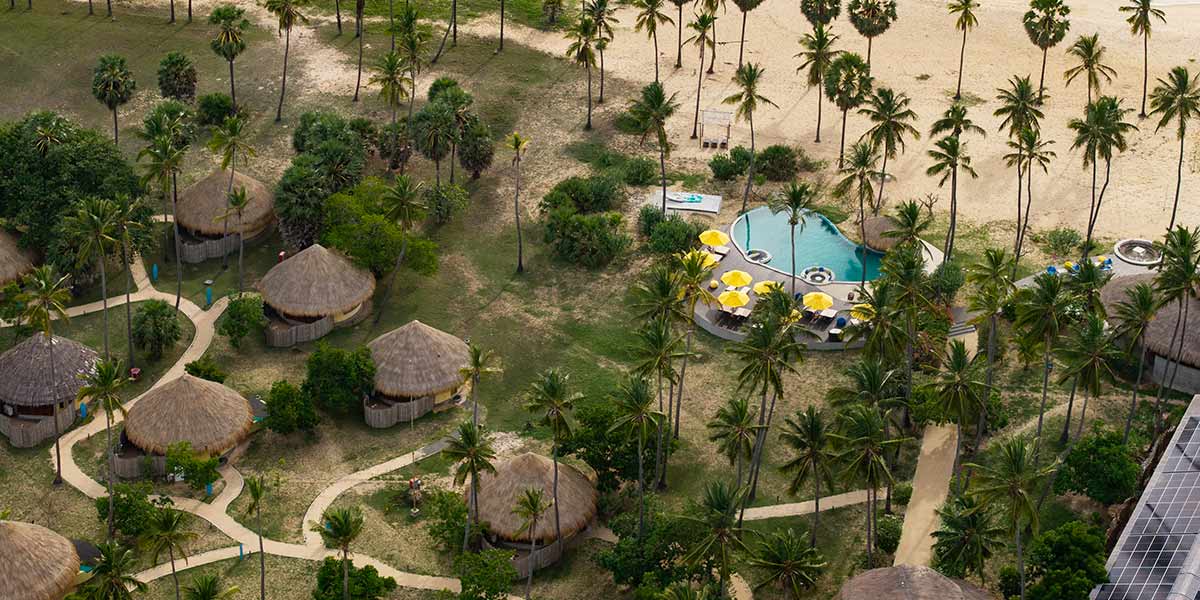
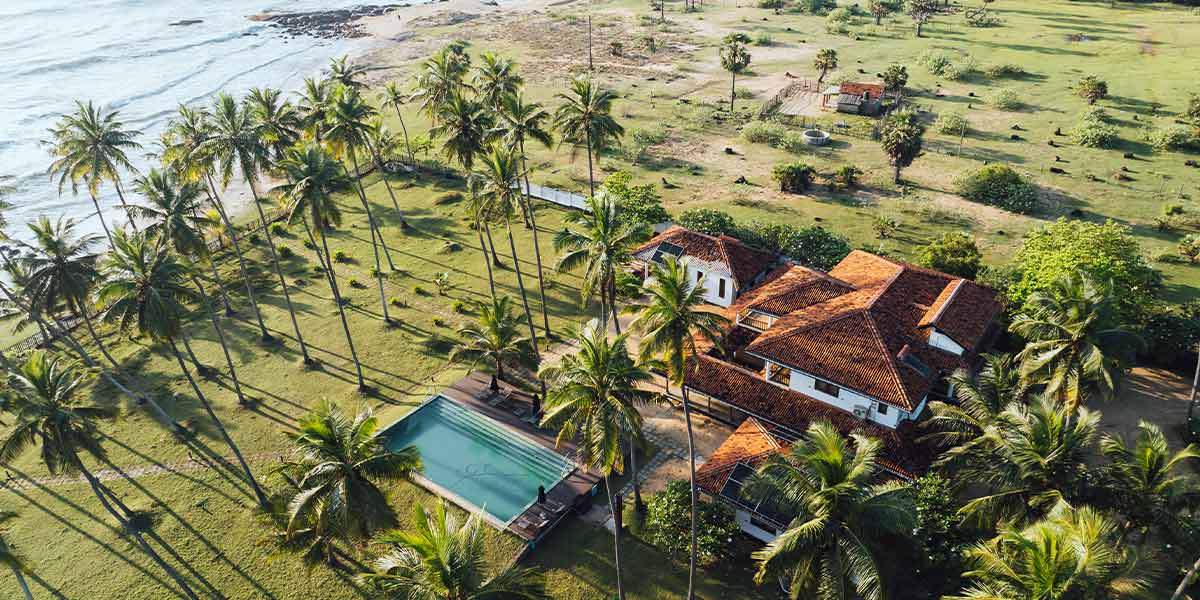
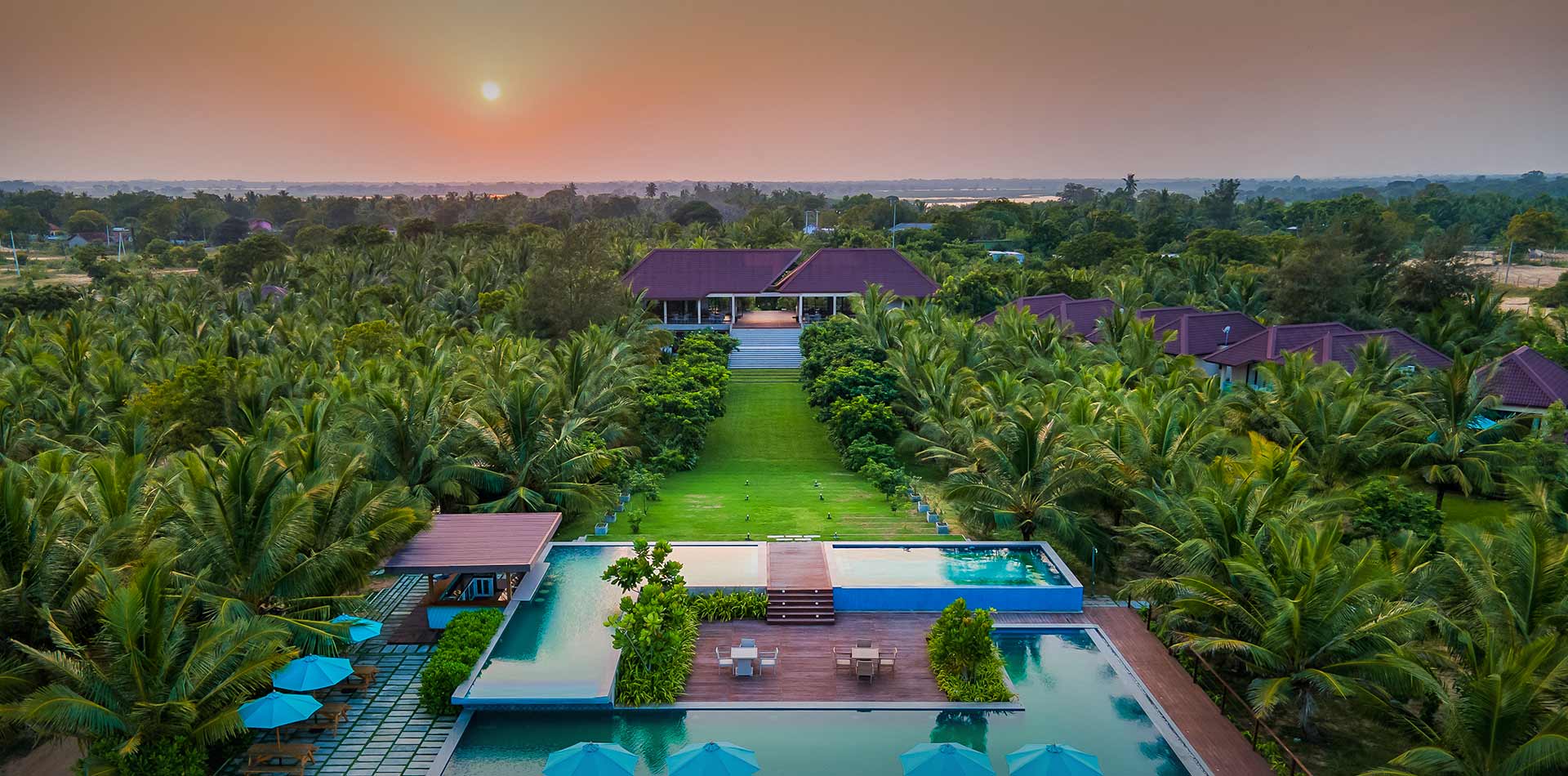
Hotels in Arugam Bay
Things to do from Arugam Bay
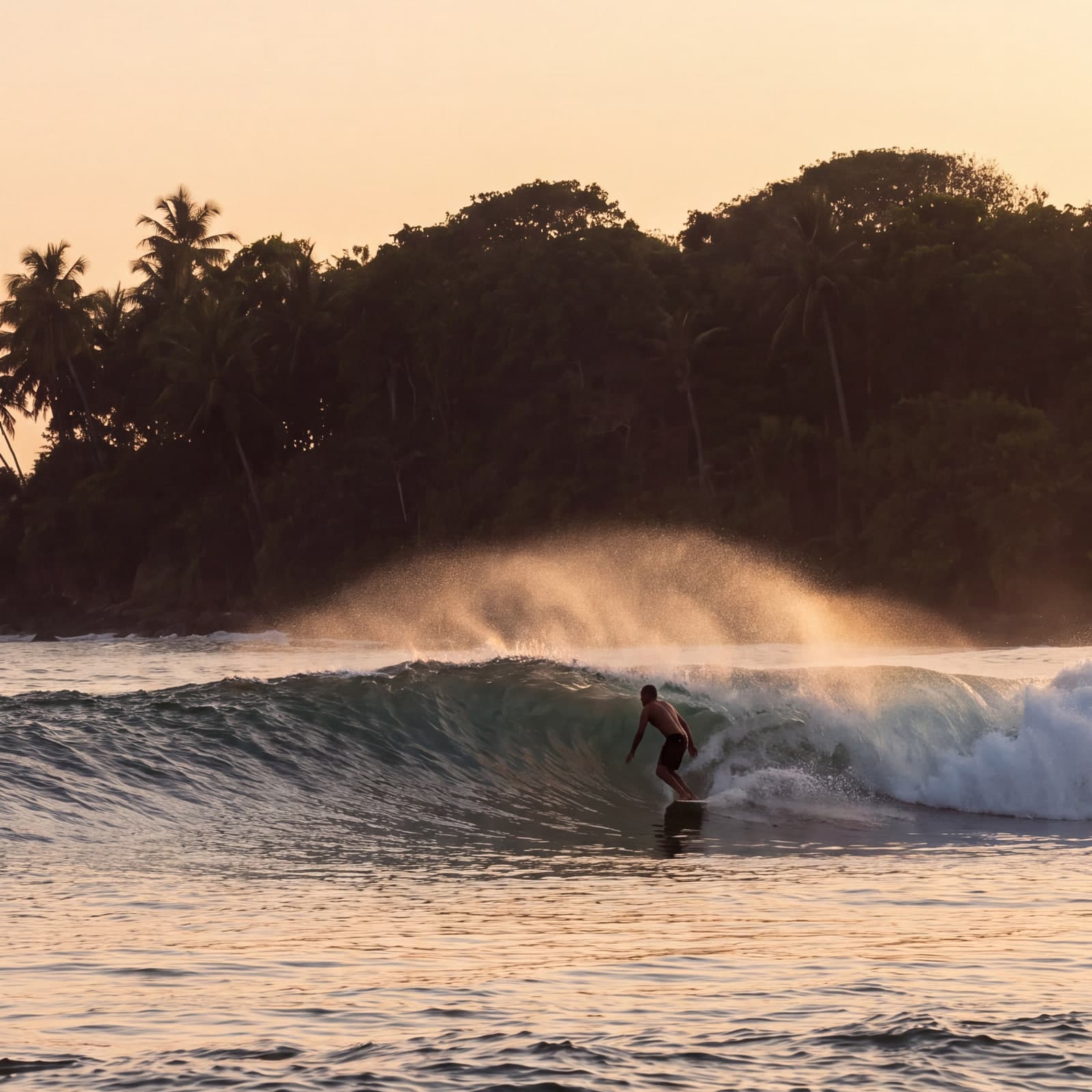
 Water and coastSurfing the point breaks of Arugam BayArugam Bay is the only venue in Sri Lanka for international surf competitions and has hosted most of them since 2004; its Main Point is a right-hand reef break of up to 750 m. More breaks lie a short drive away, Pottuvil Point to the north and Elephant Rock, Peanut Farm and Okanda to the south.
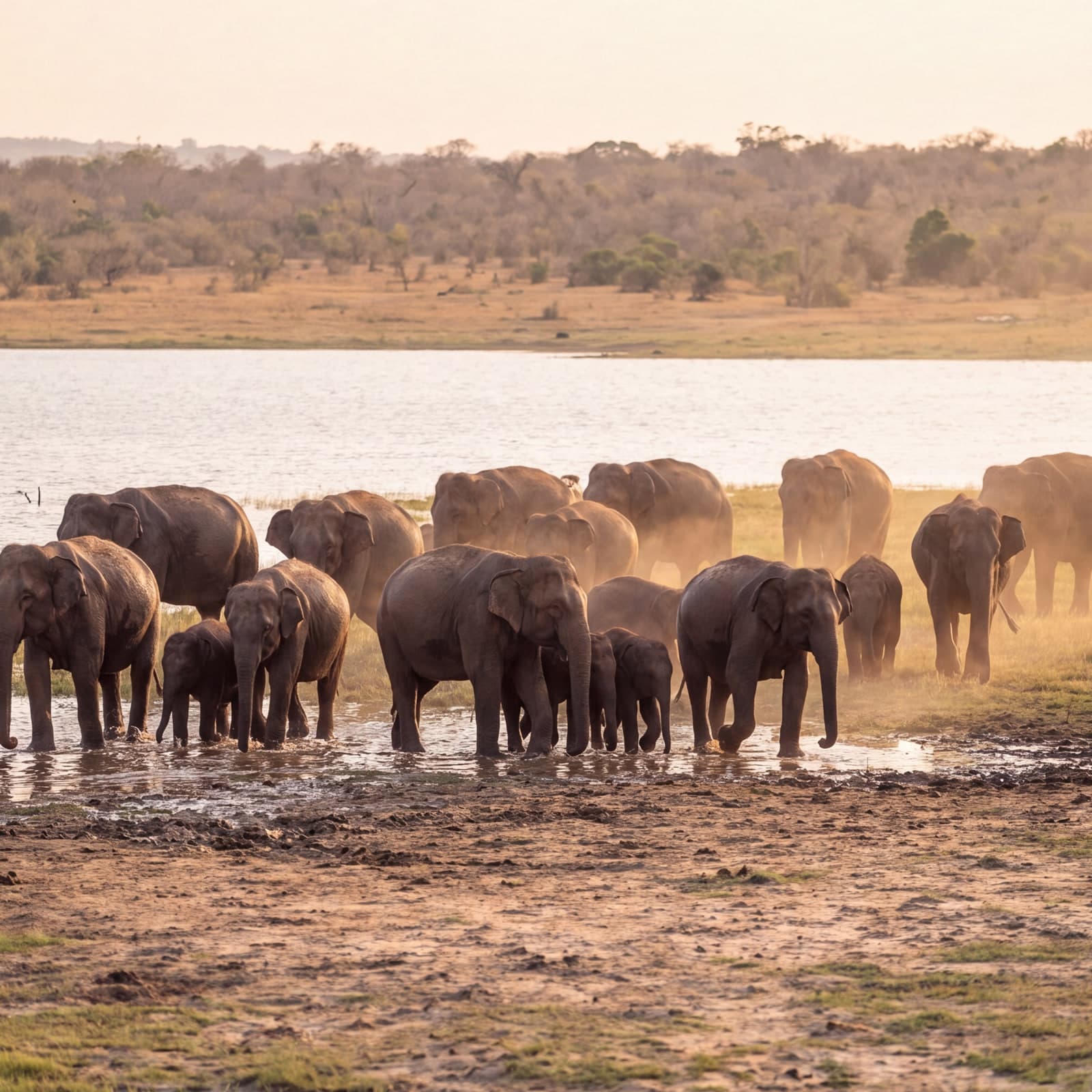
 Nature and wildlifeBirds and elephants in Kumana National ParkKumana, once called Yala East, adjoins Yala on the south-east coast and is known above all for its birds: 255 species are recorded, and its mangrove swamp, the Kumana villu, is one of the most important nesting grounds in the country. Black-necked storks, lesser adjutants and Eurasian spoonbills breed here, and pelicans, ibises and herons arrive in large flocks.
 Nature and wildlifeA boat through the Pottuvil lagoon mangrovesPottuvil lagoon lies behind the town of Pottuvil, 4 km north of Arugam Bay, a brackish water of mangrove channels bordered on its far side by Lahugala National Park. Small wooden boats take guests through it with a local boatman, past eagles, kingfishers, herons and crocodiles.
 Nature and wildlifeElephants at the tanks of LahugalaLahugala Kitulana is among the smallest national parks in Sri Lanka, 1,554 hectares of dry forest and scrub about 16 km inland from Pottuvil, around 3 old, largely silted tanks: Lahugala, Kitulana and Sengamuwa. The tall beru grass that covers them is a favourite food of elephants, and in the driest months herds of up to 150 gather here.
 Culture and heritageKudumbigala, the forest hermitage near KumanaKudumbigala is a Buddhist forest hermitage near Panama, founded by tradition in 246 BC under King Devanampiyatissa and counted among the first monasteries built for monks on the island. More than 200 rock caves, some with Brahmi inscriptions under their drip ledges, are spread through the jungle, with a cylindrical stupa said to be the only one of its kind in Sri Lanka.
 Culture and heritageThe temples of the Viharamahadevi legendLegend tells that Princess Devi of Kelaniya was set adrift to calm the sea, came ashore at Pottuvil and married King Kavantissa of Ruhuna, becoming Viharamahadevi, mother of King Dutugamunu. Muhudu Maha Vihara, a temple of more than 2,000 years on the Pottuvil dunes, marks her landing, with a white stupa, stone Buddha figures and ruins still half buried in the sand.
 WellnessYoga by the surf at Arugam BayThe surf season brings yoga with it: open-air shalas in the gardens of the places to stay along the bay hold daily classes in the morning and the late afternoon, timed around the surf. Styles vary by teacher through the season, and all levels are welcome.
 Culture and heritageOkanda, the Murugan temple on the pilgrims' pathOkanda is a hamlet at the edge of Kumana National Park, about 50 minutes' drive south of Arugam Bay, and home to Ukanthamalai Murugan Kovil, a temple to the Hindu god Murugan. The main shrine stands at the foot of 2 rocky hillocks, each with a small shrine on its summit, the first to Murugan's spear and the second to his consort Valli, and a spring in front of the Valli shrine is held sacred. On the beach about 100 m away lies a boat-shaped rock, said to be the stone boat in which Murugan and Valli came ashore.
 Nature and wildlifeBy tuk-tuk to the tanks and fields around PanamaSouth of Arugam Bay, the road to Panama, the last village before Kumana National Park and about 12 km away, runs through paddy fields and village lanes, past tanks and scrub. A tuk-tuk ride with a local driver follows it without entering the park, and monkeys, elephants and crocodiles may be seen along the way, though sightings are a matter of luck.
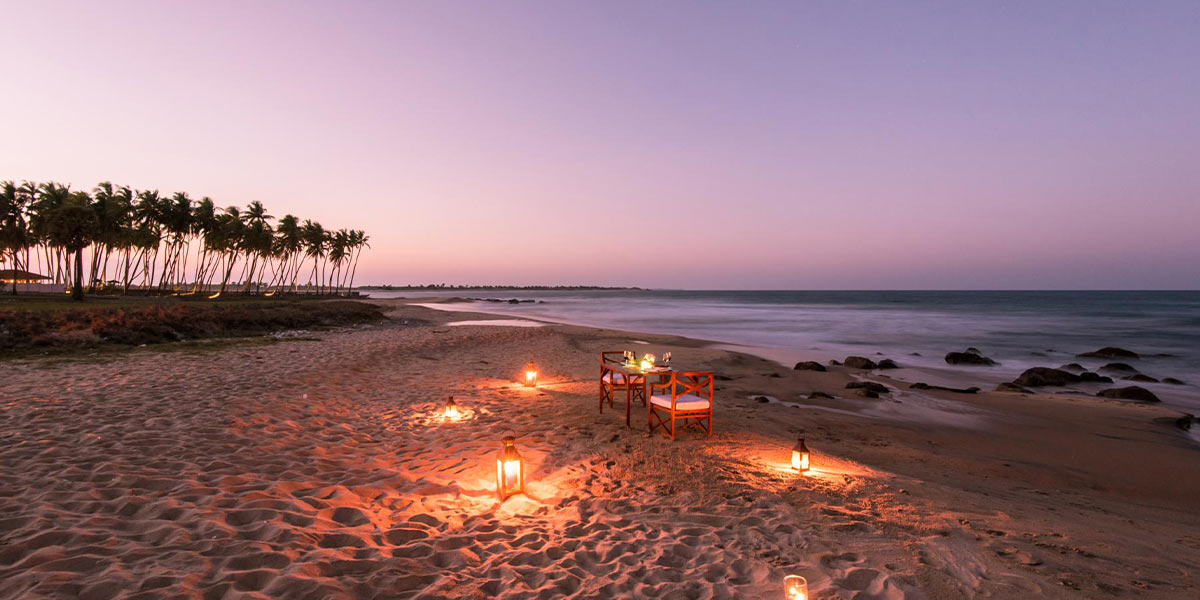 DiningDinner on the sand at Pottuvil PointThe places to stay at Pottuvil Point, on the beach north of Arugam Bay, will set dinner out on the sand: a candlelit table by the water under the stars, a barbecue on the beach, or a meal in the coconut grove behind it.
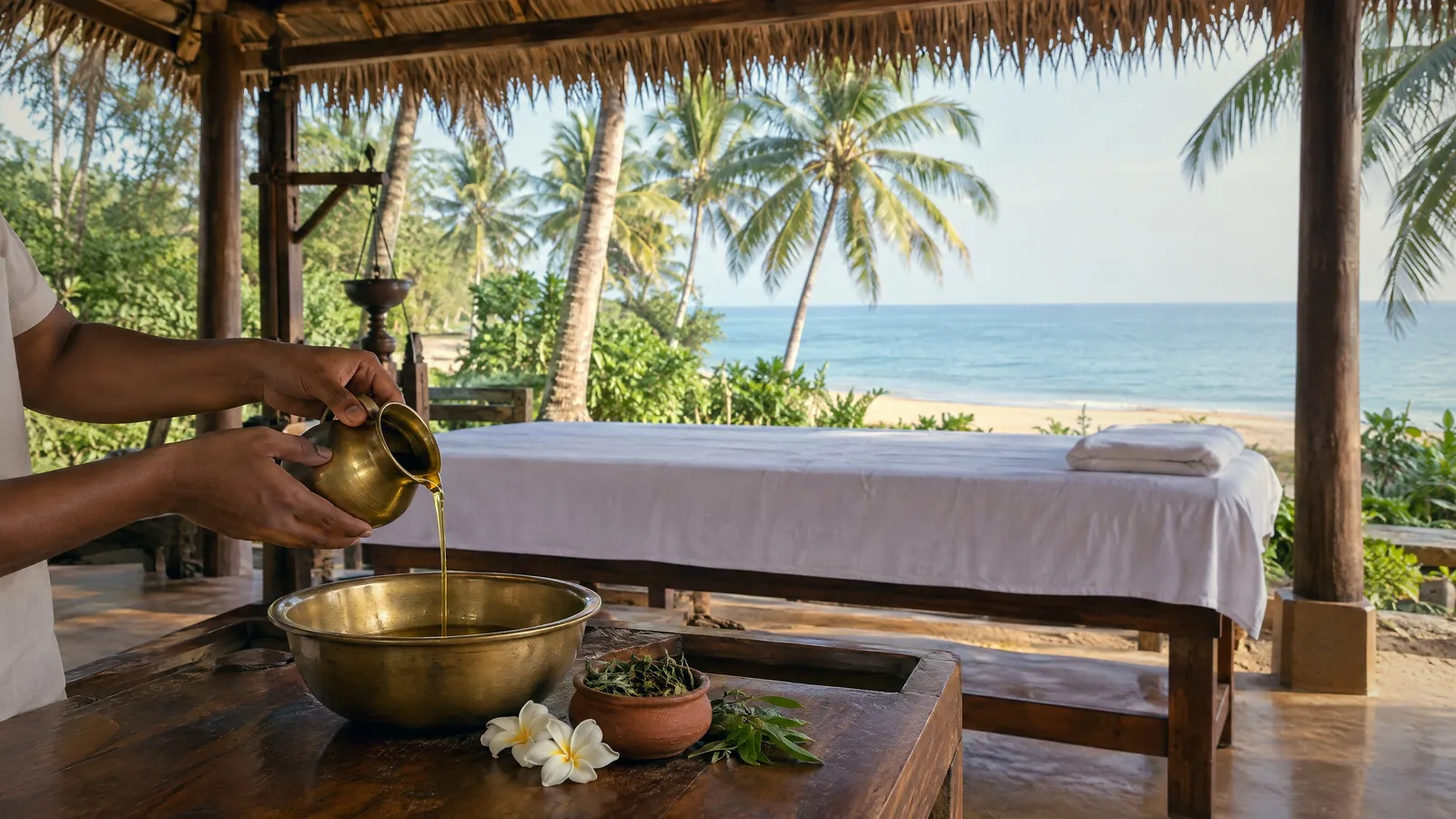 Wellness · booked with your stayA massage or Ayurveda treatment with your stayPlaces to stay around Arugam Bay arrange massage and treatments in Ayurveda, the traditional system of medicine with roots in the Indian subcontinent. At the beach houses of Pottuvil Point they are given on request, and a resort by the Whiskey Point break has its own spa with a menu of treatments.
Photographs from Wikimedia Commons: Surfing the point breaks of Arugam Bay: Steffen Schmitz (Carschten), CC BY-SA 4.0 via Wikimedia Commons; Birds and elephants in Kumana National Park: Wenuri, CC BY-SA 4.0 via Wikimedia Commons; A boat through the Pottuvil lagoon mangroves: Milhan Meerasahib, CC BY-SA 4.0 via Wikimedia Commons; Elephants at the tanks of Lahugala: Pasindu1990, CC BY-SA 4.0 via Wikimedia Commons; Kudumbigala, the forest hermitage near Kumana: AntanO, CC BY-SA 4.0 via Wikimedia Commons; The temples of the Viharamahadevi legend: Knthabrew, CC BY-SA 4.0 via Wikimedia Commons; Yoga by the surf at Arugam Bay: Photograph from Hideaway Arugam Bay's own site; Okanda, the Murugan temple on the pilgrims' path: Dr.S.Rajivraja, CC BY-SA 4.0 via Wikimedia Commons; By tuk-tuk to the tanks and fields around Panama: Kapila Perera, CC BY-SA 4.0 via Wikimedia Commons; Dinner on the sand at Pottuvil Point: Photograph from Jetwing Kottukal Beach House's own site.
Questions about Arugam Bay
Planning with us starts with a conversation, so ask anything: a person on our team replies to every message.
Yes, in its season from April to October, and above all if you surf: it is the island's international surf venue. If you do not surf, it is a relaxed beach village with Kumana's wildlife to the south. Most hotels close out of season, so we plan it only when it is open.
It is the far side of the island, so give it more than a stop: time for the waves or the beach, and a safari at Kumana if you like. We break the drive so the journey is part of the trip.
Arugam Bay for surf and a small village; Trincomalee for long, calm beaches at Nilaveli and Uppuveli, snorkelling at Pigeon Island and whales in season. Both are at their best from April to September, when the south coast is wet. We choose by what you want from the sea.
April to October. Arugam Bay faces east, so the north-east monsoon, roughly October to January, is its wet season. The surf season runs April to October and peaks in July and August.
By road, 7 to 8 hours from Bandaranaike International Airport: this is the far side of the island. By air, Cinnamon Air's nearest point is Batticaloa, scheduled and charter, with the last leg by road.
Journeys and experiences
Also in the wild south and east
Yala
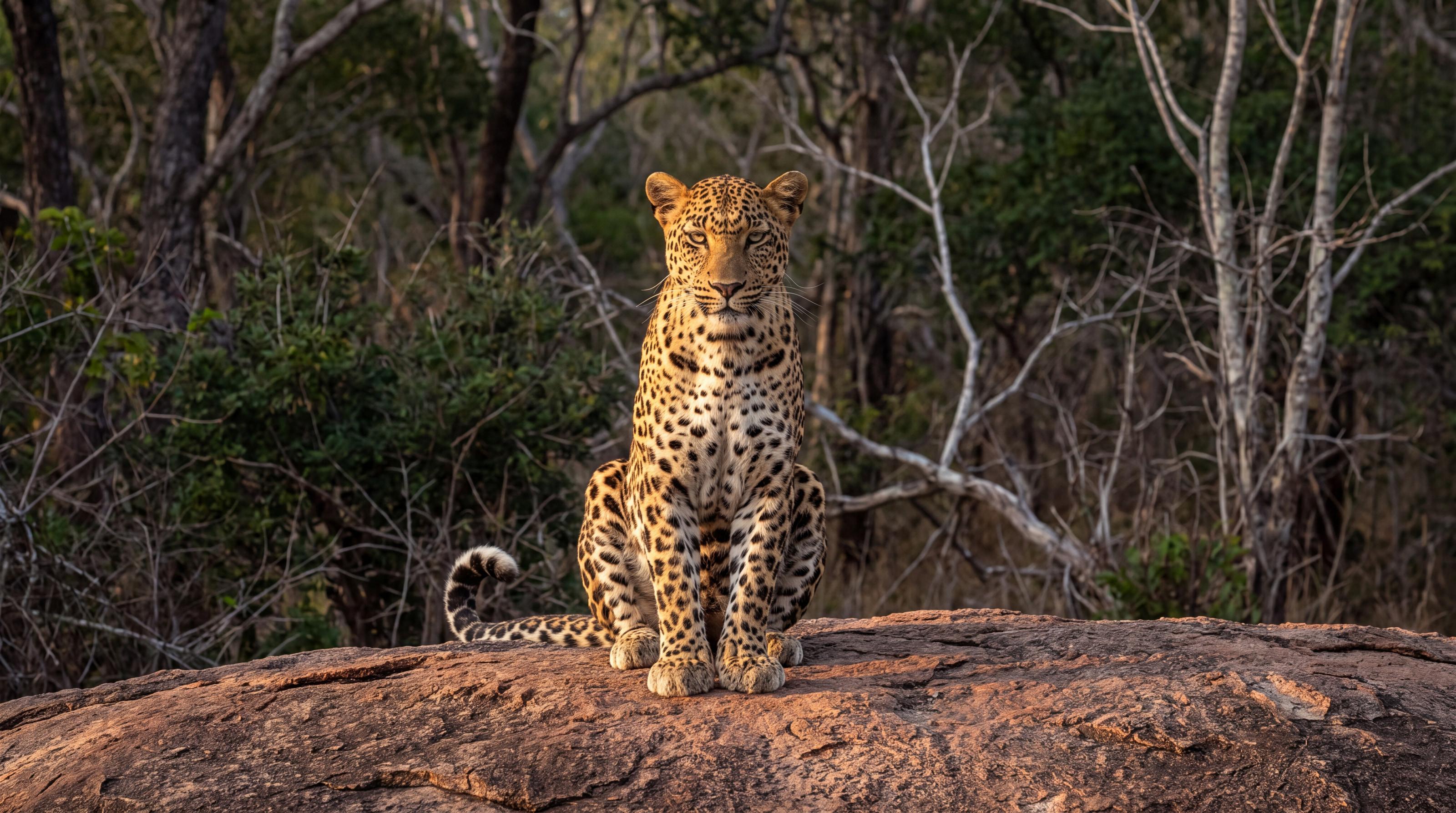
The leopard park: 979 sq km of the dry south-east, a sanctuary since 1900
Best February to July
- A leopard safari in Yala
- Birding the lagoons of Bundala
- Sithulpawwa, the rock monastery inside Yala
Trincomalee
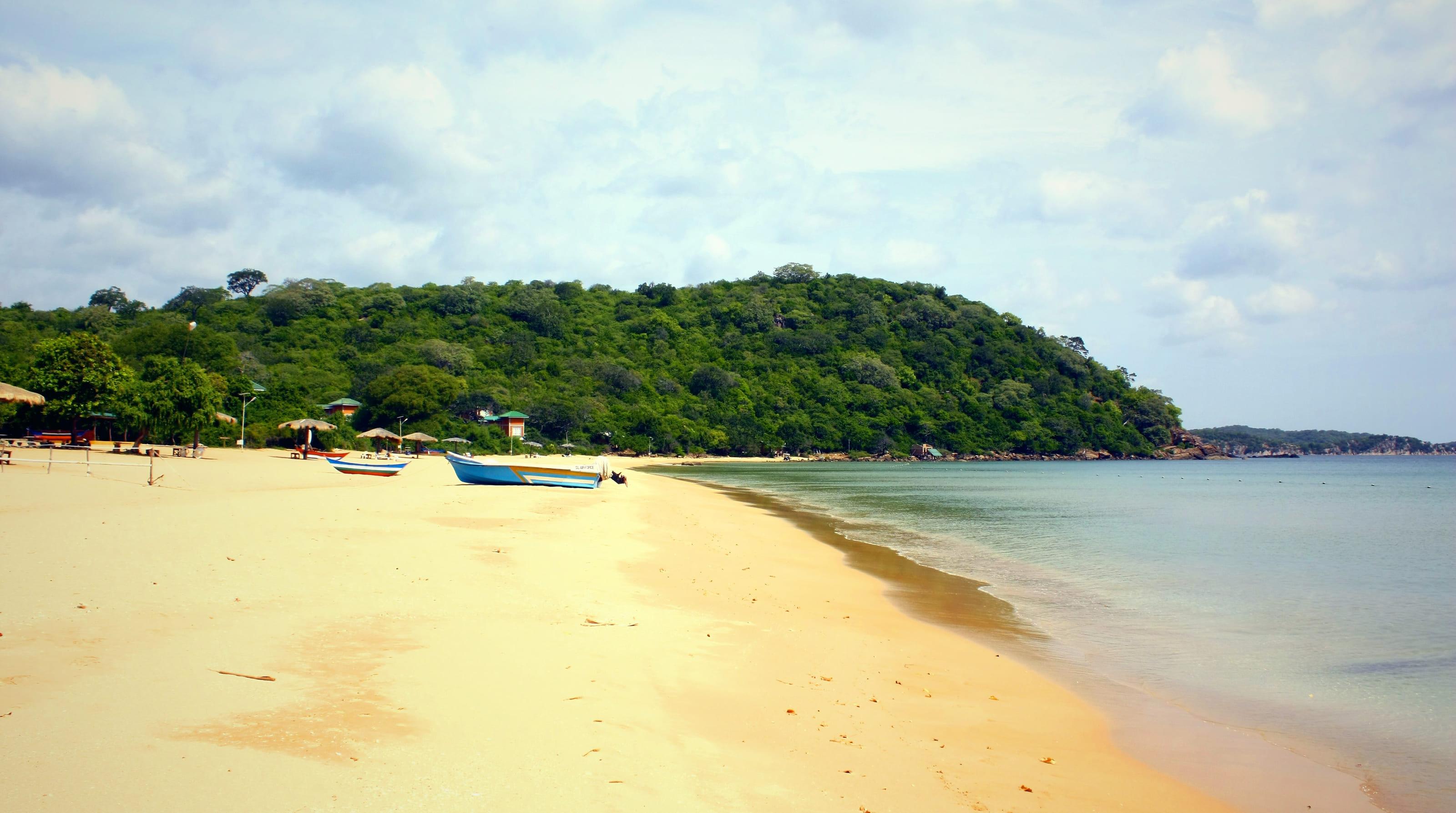
The great natural harbour of the east, with the long beaches north of it
Best April to September
- Whale watching off Trincomalee
- Snorkelling at Pigeon Island
- Koneswaram temple on Swami Rock, through Fort Frederick
