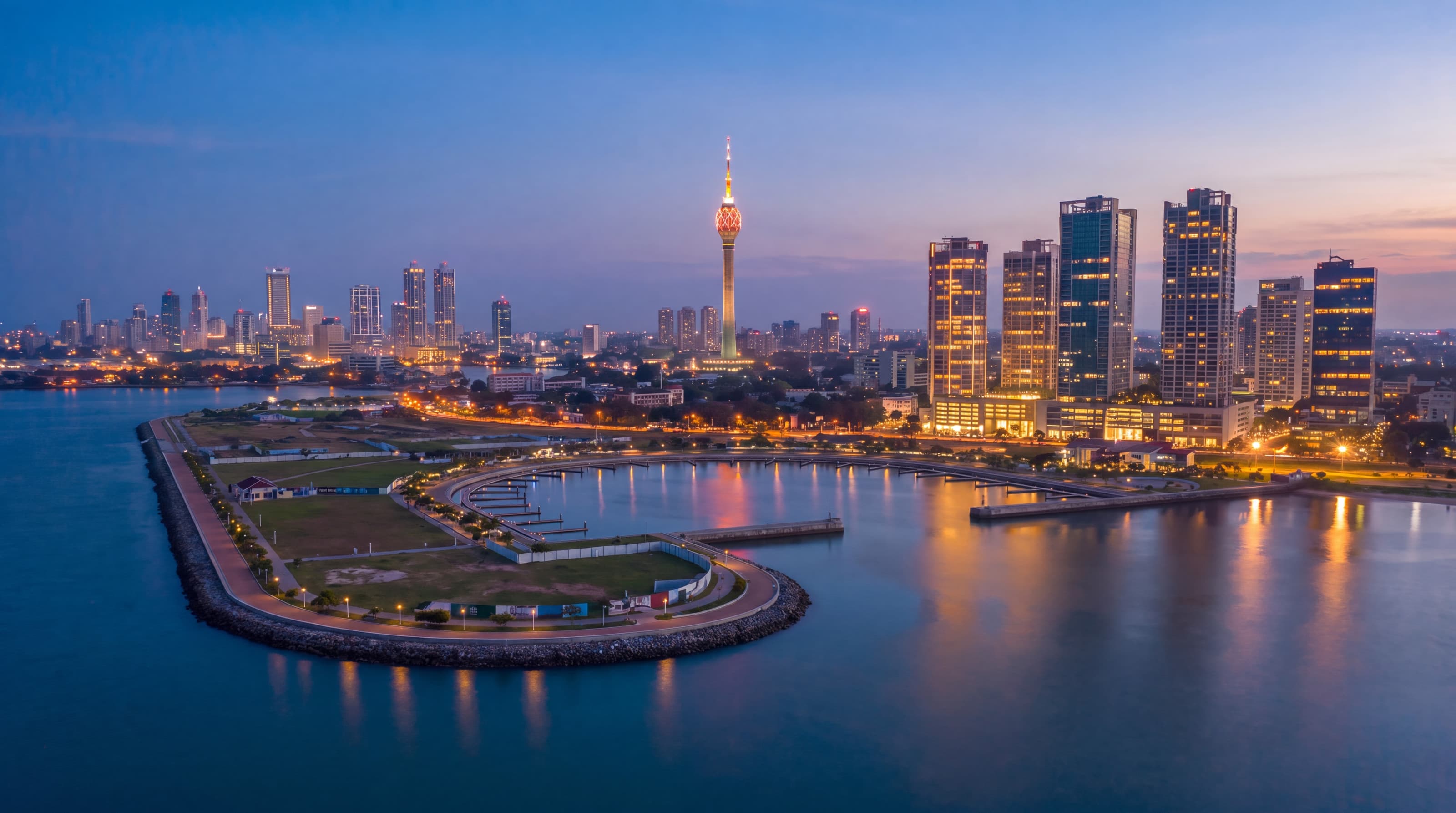
Colombo The capital: a seafront green, a colonial fort, a city that eats well
The place
Colombo is Sri Lanka's executive and judicial capital and its largest city, about 753,000 people inside the municipal limits and some 5.6 million across the metropolitan area. It sits at sea level on the west coast, 32.5 km south of the international airport, which makes it the natural first or last night of almost every journey.
The city rewards a slow look. Galle Face Green runs along the ocean at its heart, the Fort district holds the colonial core and the President's House, Gangaramaya Temple mixes Sri Lankan, Thai, Indian and Chinese architecture in one compound, and Cinnamon Gardens keeps the Independence Memorial Hall and the National Museum beside Viharamahadevi Park. The Lotus Tower is the modern landmark, with the skyline laid out beneath it.
When to go
December to March
The south-west monsoon, May to October, is the wet season here; December to March is driest. There is a shorter dry spell in July and August.
Getting there
- By road, 30 minutes to 1 hour from Bandaranaike International Airport on the Colombo-Katunayake Expressway.
- Colombo Fort is the railway hub of the island: the Main, Coastal, Northern and Puttalam lines all begin here.
Worth seeing
Galle Face Green
The oceanfront promenade at the heart of the city.
Gangaramaya Temple
A mix of Sri Lankan, Thai, Indian and Chinese architecture.
Colombo Fort
The historic district, holding the President's House.
Independence Memorial Hall
At Independence Square, Cinnamon Gardens.
Colombo National Museum
Beside Viharamahadevi Park.
Lotus Tower
The modern landmark, with views over the skyline.
Asked often
- When is the best time to visit Colombo?
- December to March. The south-west monsoon, May to October, is the wet season here; December to March is driest. There is a shorter dry spell in July and August.
- How do you get to Colombo?
- By road, 30 minutes to 1 hour from Bandaranaike International Airport on the Colombo-Katunayake Expressway. Colombo Fort is the railway hub of the island: the Main, Coastal, Northern and Puttalam lines all begin here.
In Explore
Open Colombo in Explore to choose your stay, your room and your experiences, and add them to your journey.
Where to stay in Colombo
 HotelShangri-La Colombo1 Galle Face, Colombo 2, between the Galle Face Green promenade and Beira Lake
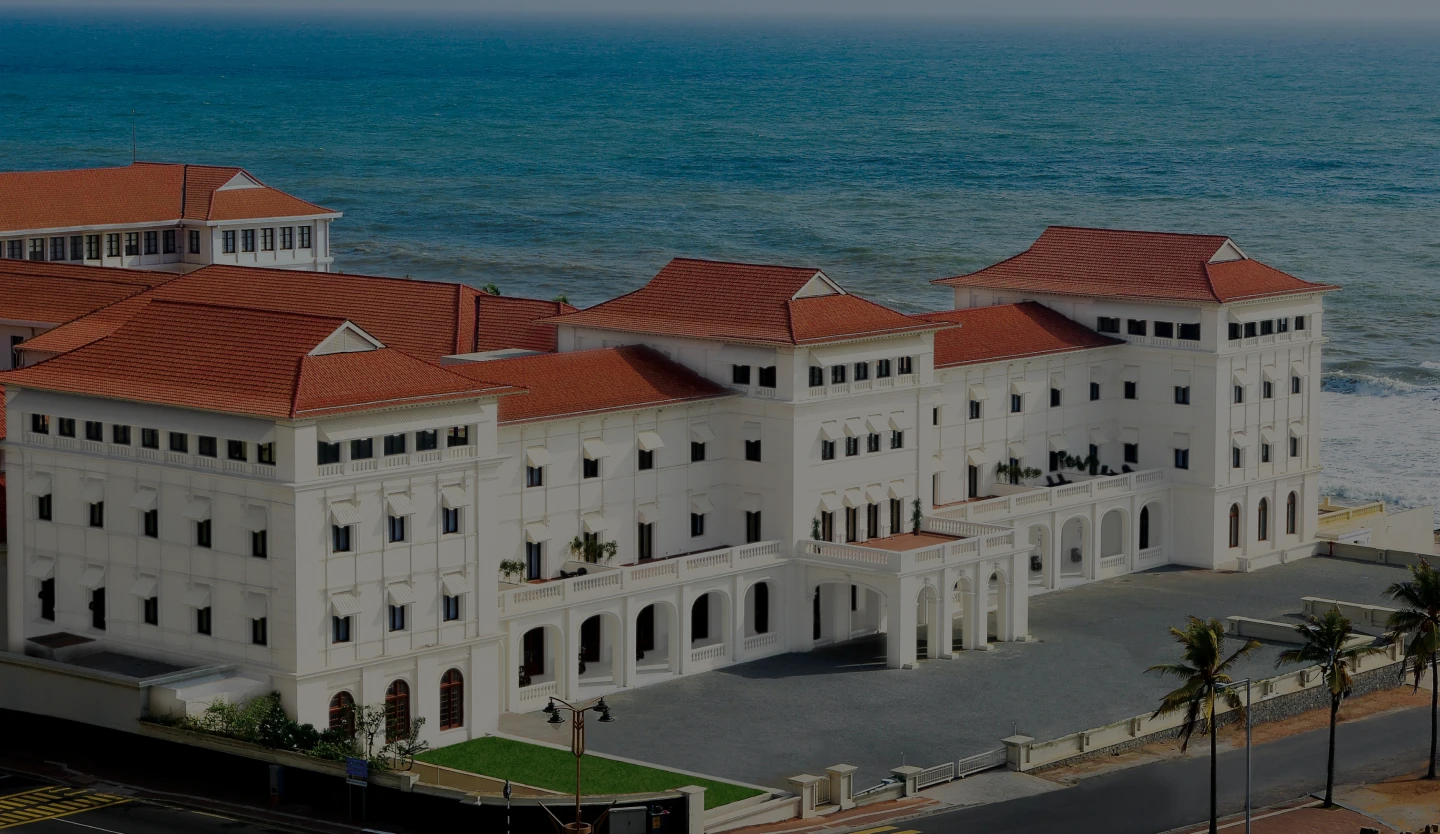 HotelGalle Face Hotel2 Galle Road, Colombo 3, at the southern end of Galle Face Green on the seafront
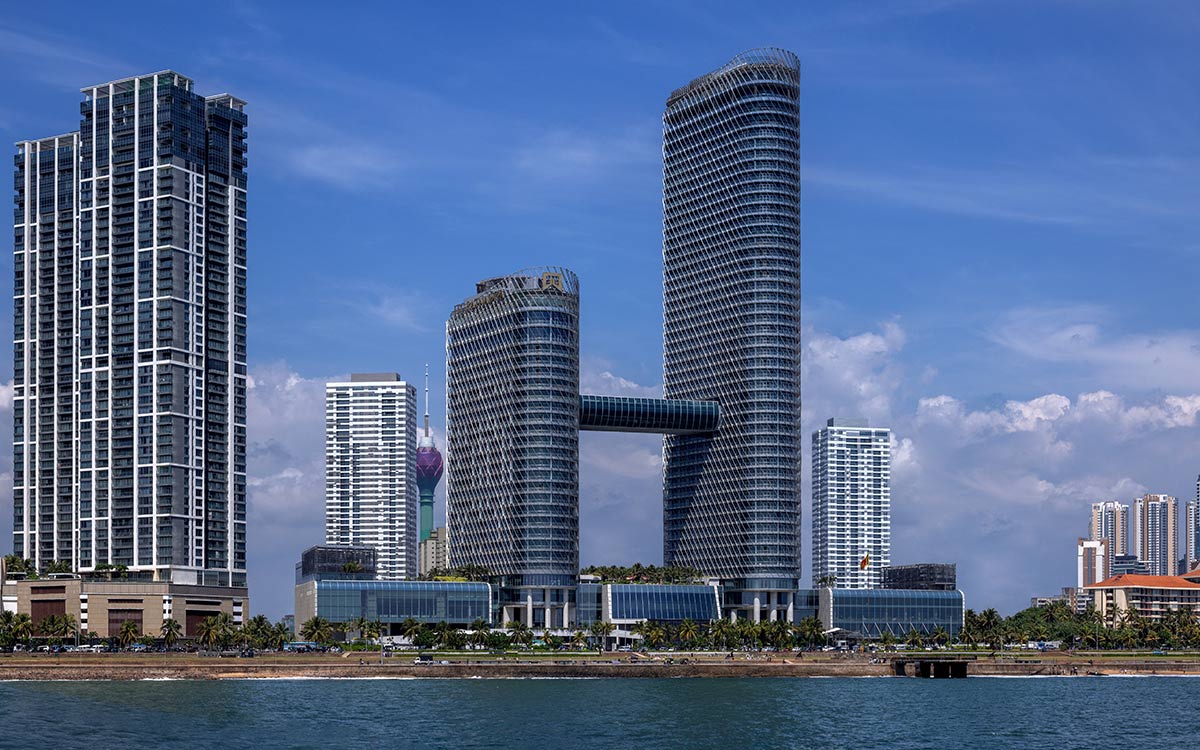 HotelITC Ratnadipa, A Luxury Collection Hotel, Colombo21 Galle Face Centre Road, Colombo 1, between the Indian Ocean and Beira Lake beside Galle Face Green
 HotelCinnamon Life at City of Dreams Sri LankaCity of Dreams integrated resort on the Colombo waterfront, Justice Akbar Mawatha, Colombo 2
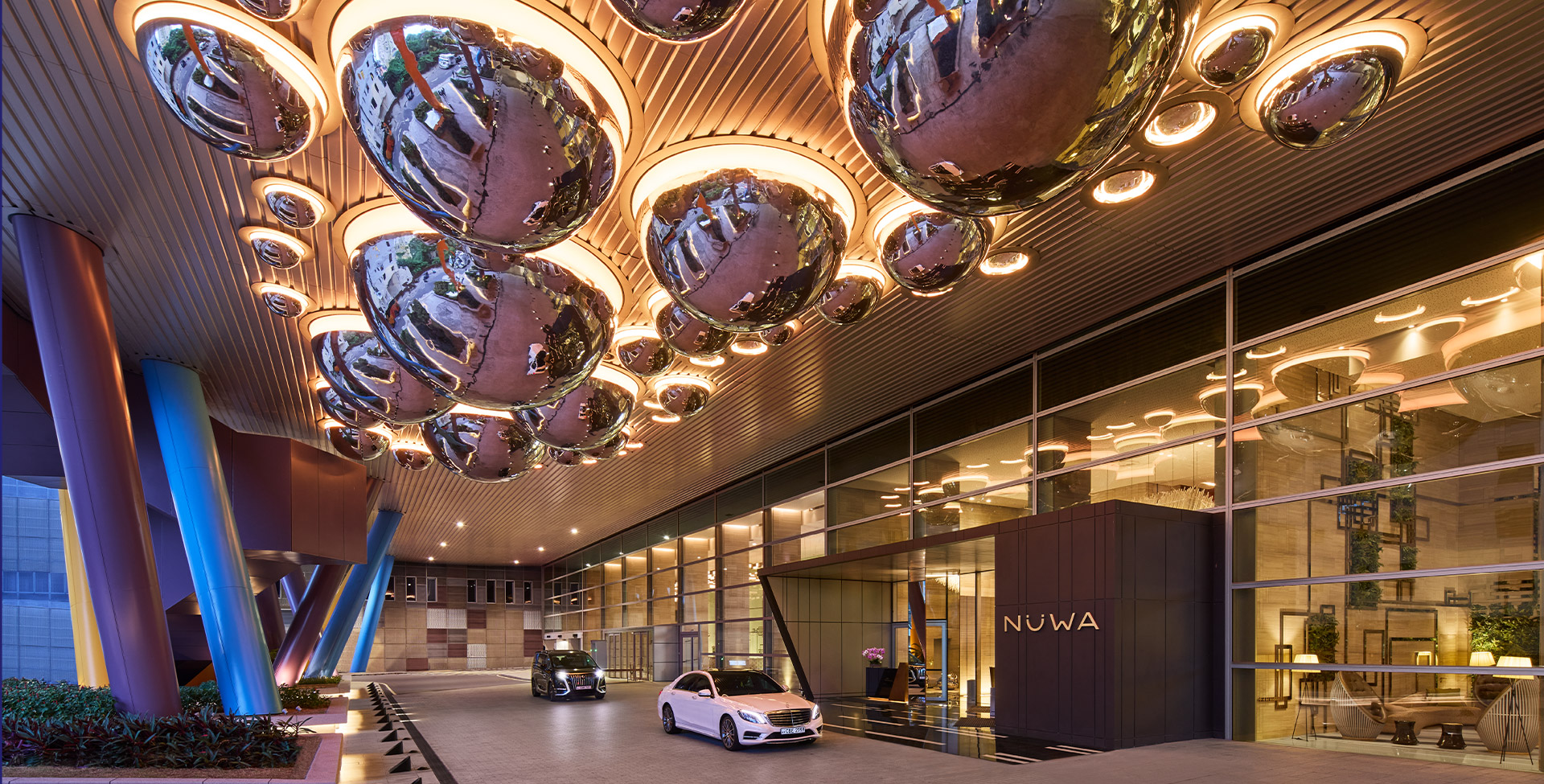 HotelNüwa Sri Lanka at City of DreamsUpper floors of City of Dreams Sri Lanka on the Colombo waterfront, Colombo 2
 Boutique hotelParadise Road Tintagel Colombo65 Rosmead Place, Colombo 7, in the embassy district of Cinnamon Gardens
 Boutique hotelManiumpathy129 Kynsey Road, Colombo 7, in the Cinnamon Gardens district
Things to do from Colombo
- Culture and heritage · about 1 hour, longer with a walk in the parkIndependence Memorial Hall and Viharamahadevi ParkIndependence Memorial Hall stands in Independence Square, formerly Torrington Square, in Colombo's Cinnamon Gardens, on the spot where the first parliament was opened on 4 February 1948, marking independence from British rule. Its open, pillared design is based on the Magul Maduwa, the royal audience hall of the Kingdom of Kandy, and a statue of D. S. Senanayake, the first prime minister, stands at its head.
- Nature and wildlife · a morning, from the 06:00 openingBirdwatching in the Kotte wetlands: Beddagana and DiyasaruIn Sri Jayawardenepura Kotte, the legislative capital beside Colombo, 2 wetland parks face each other across the Diyawanna lake by the parliament. Beddagana, 18 ha of ponds, marsh, seasonally flooded grassland and scrub run by the Urban Development Authority, records about 80 resident bird species, and Diyasaru, a 60-acre wetland park behind the parliament, lists more than 80 species of wetland birds, 50 of them migrants.
- Culture and heritage · 2 to 3 hours on footA walk through Colombo Fort and PettahColombo Fort is the old colonial core of the city, and Pettah, just east of it, is its busiest market district, where each street keeps its own trade. A private guide links the two on foot and reads the Portuguese, Dutch and British layers of the city from its buildings.
- Culture and heritage · about 1.5 hours for bothGangaramaya Temple and Seema Malaka on Beira LakeGangaramaya is one of Colombo's most important Buddhist temples, completed in the late 19th century near Beira Lake, and its buildings mix Sri Lankan, Thai, Indian and Chinese styles. A few hundred metres east, its meditation hall Seema Malaka stands on 3 platforms in the lake, rebuilt to a design by Geoffrey Bawa in 1976.
- Culture and heritage · about 2 hours with a guideThe Colombo National MuseumSri Lanka's largest museum opened in 1877 in an Italianate building in Cinnamon Gardens, and holds the regalia of the Kandyan kings, including the throne of the last king of Kandy. Its galleries cover the island's cultural and natural heritage.
- Culture and heritage · 45 minutes, by guided tourNumber 11, Geoffrey Bawa's house in ColomboNumber 11, on 33rd Lane off Bagatelle Road, is the Colombo home of the architect Geoffrey Bawa, who rented a single row house there in 1959 and by 1969 had bought and joined it into one house. Its narrow passages open into broad, light-filled rooms that hold his collections of art and objects.
- Dining · about an hour, at sunsetSunset and street food on Galle Face GreenGalle Face Green is a 5 ha park running 500 m along the sea in the heart of Colombo, laid out as a promenade in 1859 and now the largest open space in the city. In the evening it fills with families, kite flyers and people walking by the water.
- Culture and heritage · about 1.5 hours, 11 km from central ColomboKelaniya Raja Maha ViharaKelaniya, 11 km north-east of Colombo, is held by Buddhists to be where the Buddha came on his third and final visit to the island, and its temple was rebuilt under King Kirti Sri Rajasinghe. It makes an easy half-day from Colombo or from Negombo.
- Nature and wildlife · about 2 hours on the water, best from about 06:30The Muthurajawela wetland by boatMuthurajawela is a 3,068 ha marsh at the southern end of the Negombo lagoon, the country's largest saline coastal peat bog, and 1,777 ha of it was declared a sanctuary in 1996. It lies about 30 km north of Colombo and close to the airport.
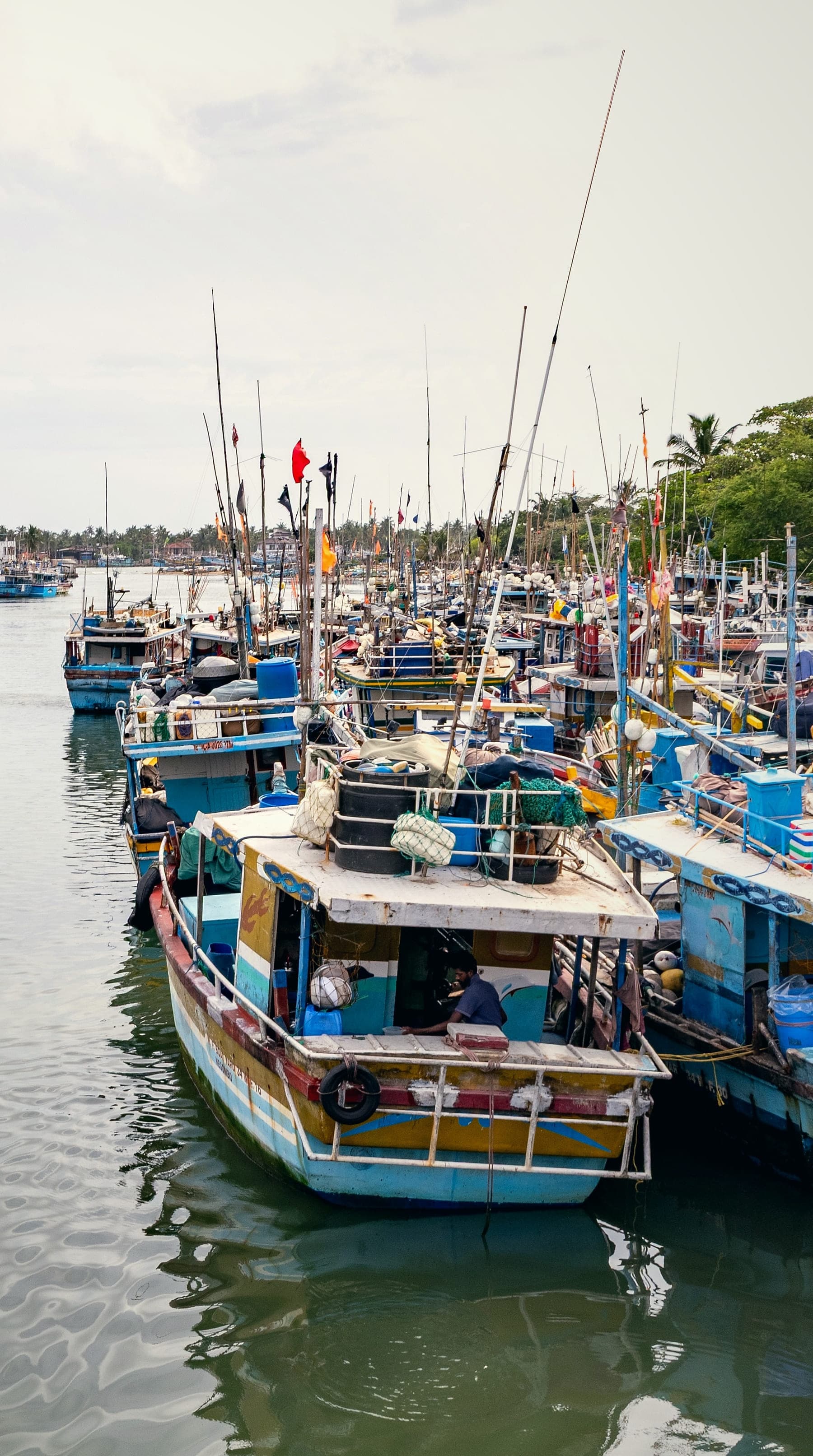
- Culture and heritage · an early morning, from about 06:00The Negombo fish market at dawnNegombo has been a fishing town for centuries, and its main market, known locally as Lellama, sits at the mouth of the lagoon where the boats land their catch and it is sold from first light. Fish, prawns, crabs, lobster and squid change hands before most of the town is awake.
- Culture and heritage · about 1.5 hoursThe churches of Negombo, 'Little Rome'Negombo is known as Little Rome for its Catholic majority and its many churches, a legacy of the conversions made under Portuguese rule; there are more than 25 Roman Catholic churches in the city. The Dutch left a fort, built in 1672, and a network of canals.
Colombo in your journey? Build it in Explore.