
Negombo The fishing town beside the airport, for a first or last night
Negombo is a fishing town on the west coast about 9 km from Bandaranaike International Airport, which is why so many journeys begin or end here. It has a long sandy beach, a fishing industry centuries old on the lagoon, and the Portuguese-era Catholic churches that earned it the name Little Rome.
The lagoon is the town's real subject: a large, half-enclosed body of water with mangroves, worked by outrigger boats, and the Dutch-built Hamilton Canal runs from Colombo through Negombo to Puttalam. The fish market is where the catch lands, and the Dutch fort of 1672 still stands. Angurukaramulla Temple draws pilgrims from across the island.
Photograph above: Steffen Schmitz, CC BY-SA 4.0, cropped and colour-graded, via Wikimedia Commons
What to see in Negombo
- Negombo Lagoon
A large, half-enclosed coastal water with mangroves.
- Hamilton Canal
The Dutch-built canal from Colombo through Negombo to Puttalam.
- St Mary's Church
One of the town's ornate Portuguese-era Catholic churches.
- Negombo Fort
Built by the Dutch in 1672.
- The fish market
The centre of the town's traditional fishing trade.
The best time to visit Negombo
The south-west monsoon, May to October, is the wet season here; December to March is driest.
December to March
How to reach Negombo
- By road15 to 30 minutesFrom the airport, 7 km
- By trainNegombo station, in the town centre, is on the Puttalam Line.
Hotels in Negombo
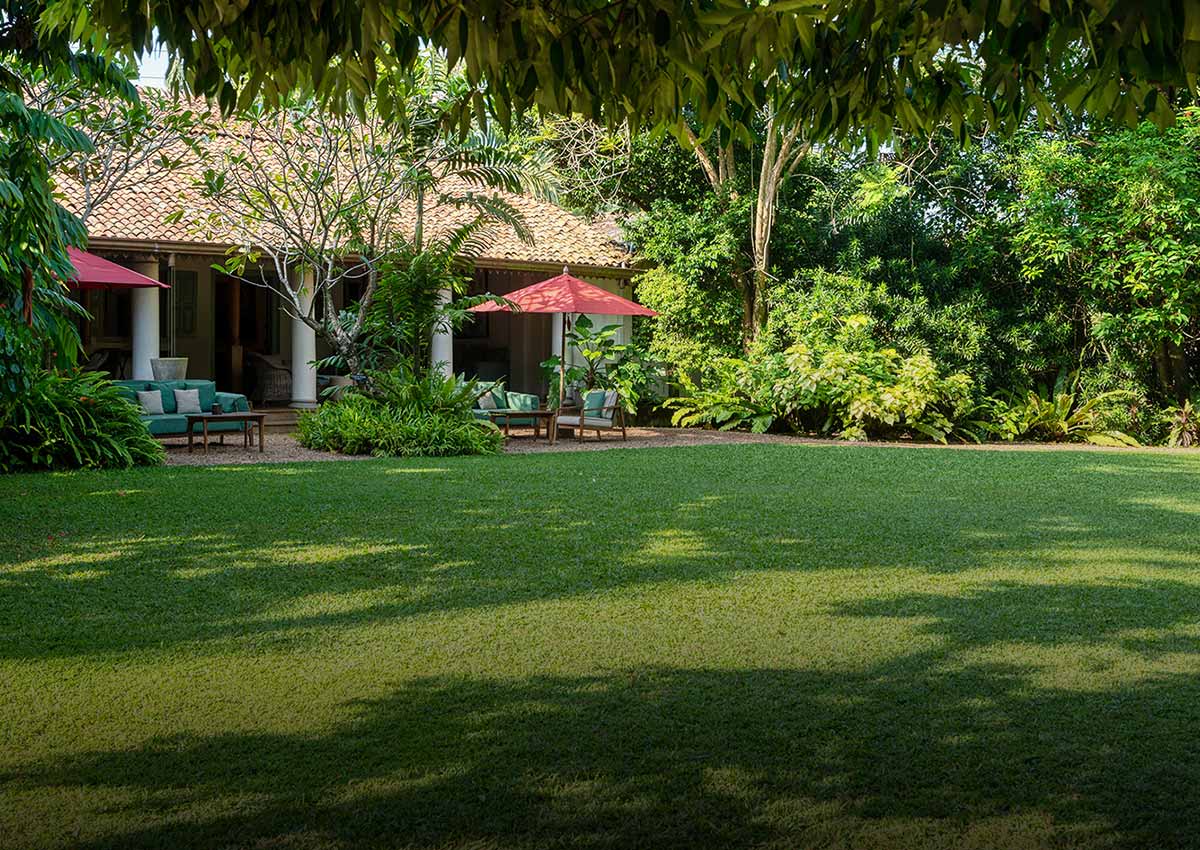 Boutique hotelWallawwaMinuwangoda Road, Kotugoda, inland from Negombo, about 20 minutes' drive from Bandaranaike International Airport
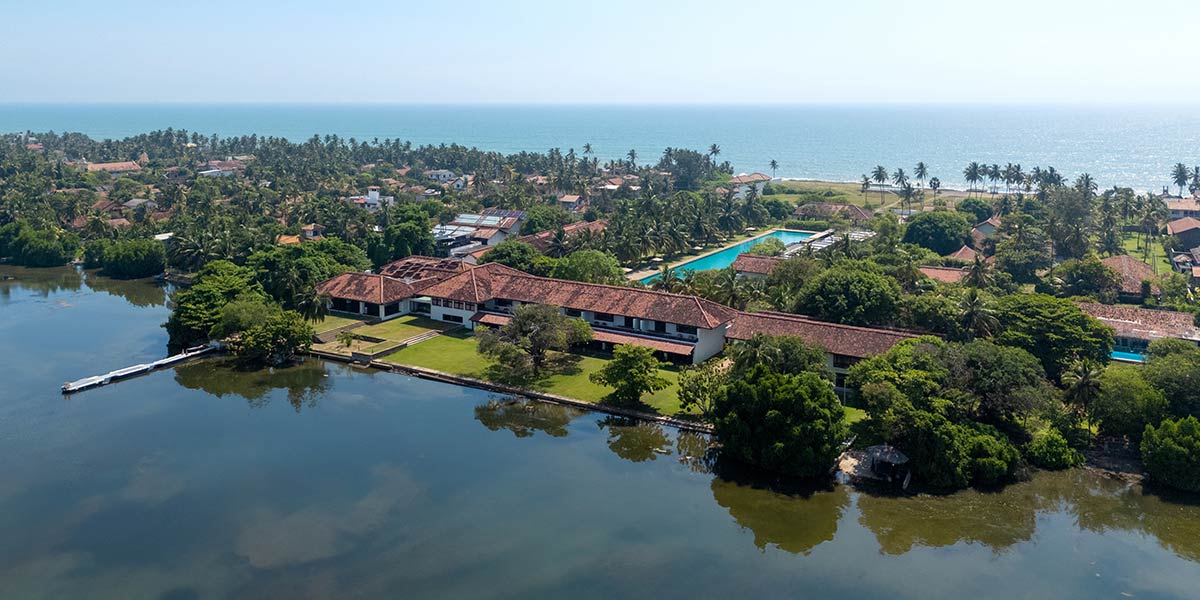 ResortJetwing Lagoon WellnessThalahena, Negombo, on the strip between Negombo Lagoon and the Indian Ocean
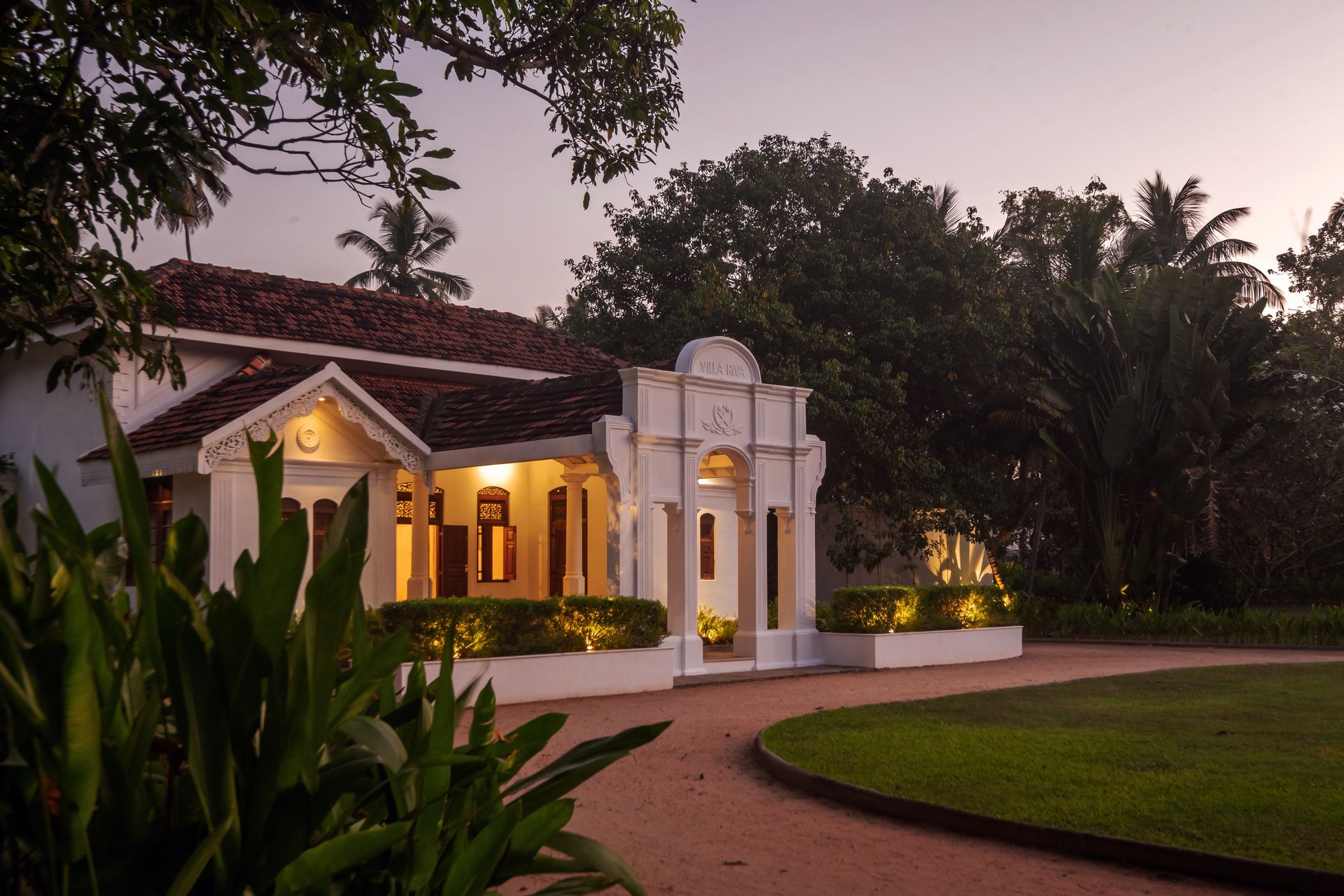 Boutique hotelUga RivaA 5-acre coconut estate east of Kochchikade, inland from Negombo, about 30 minutes from Bandaranaike International Airport
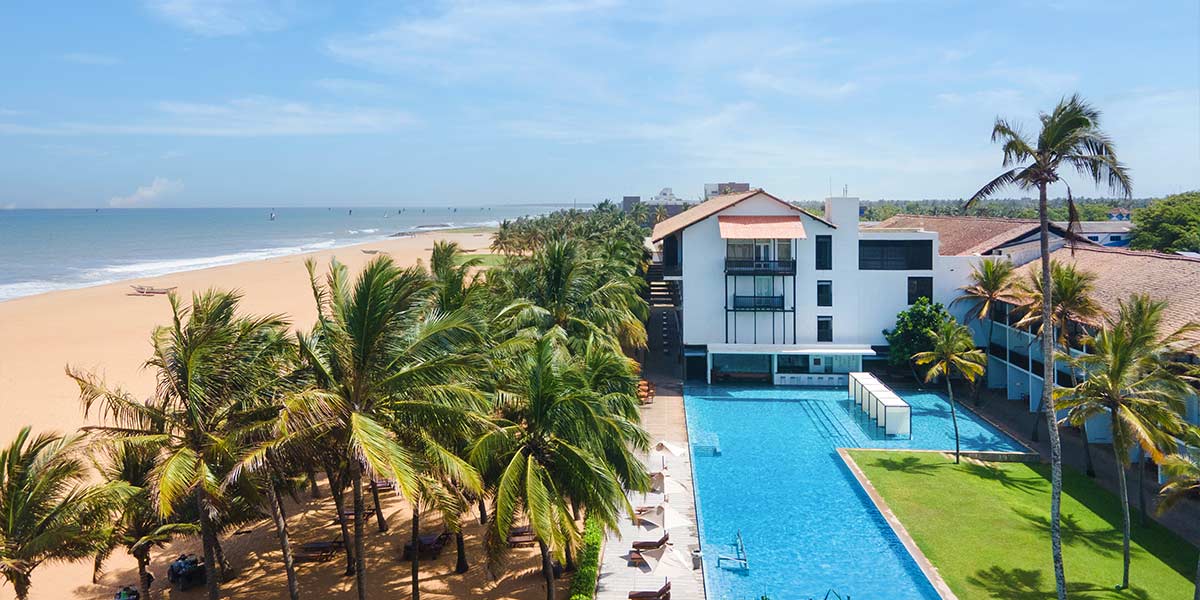 HotelJetwing BluePorutota Road, Ethukala, Negombo, directly on the beach
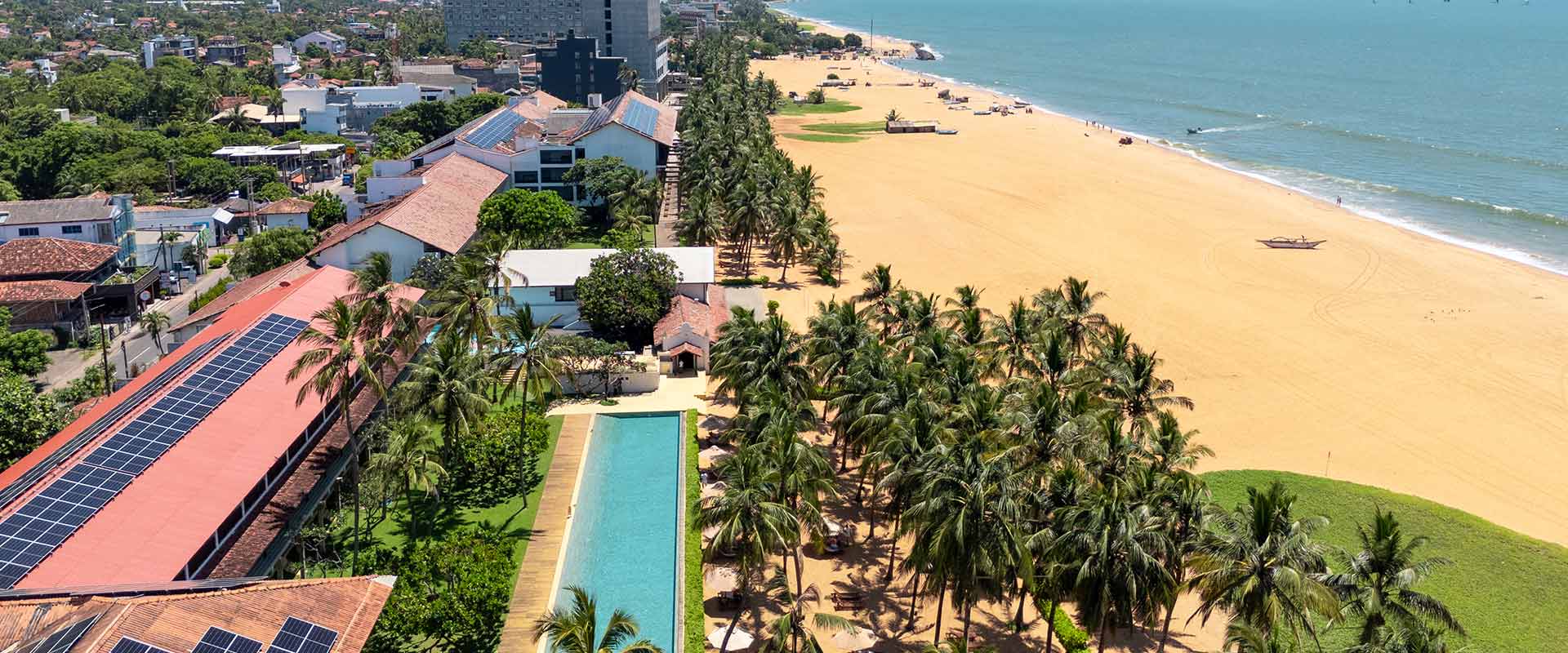 HotelJetwing BeachPorutota Road, Ethukala, Negombo, directly on the beach
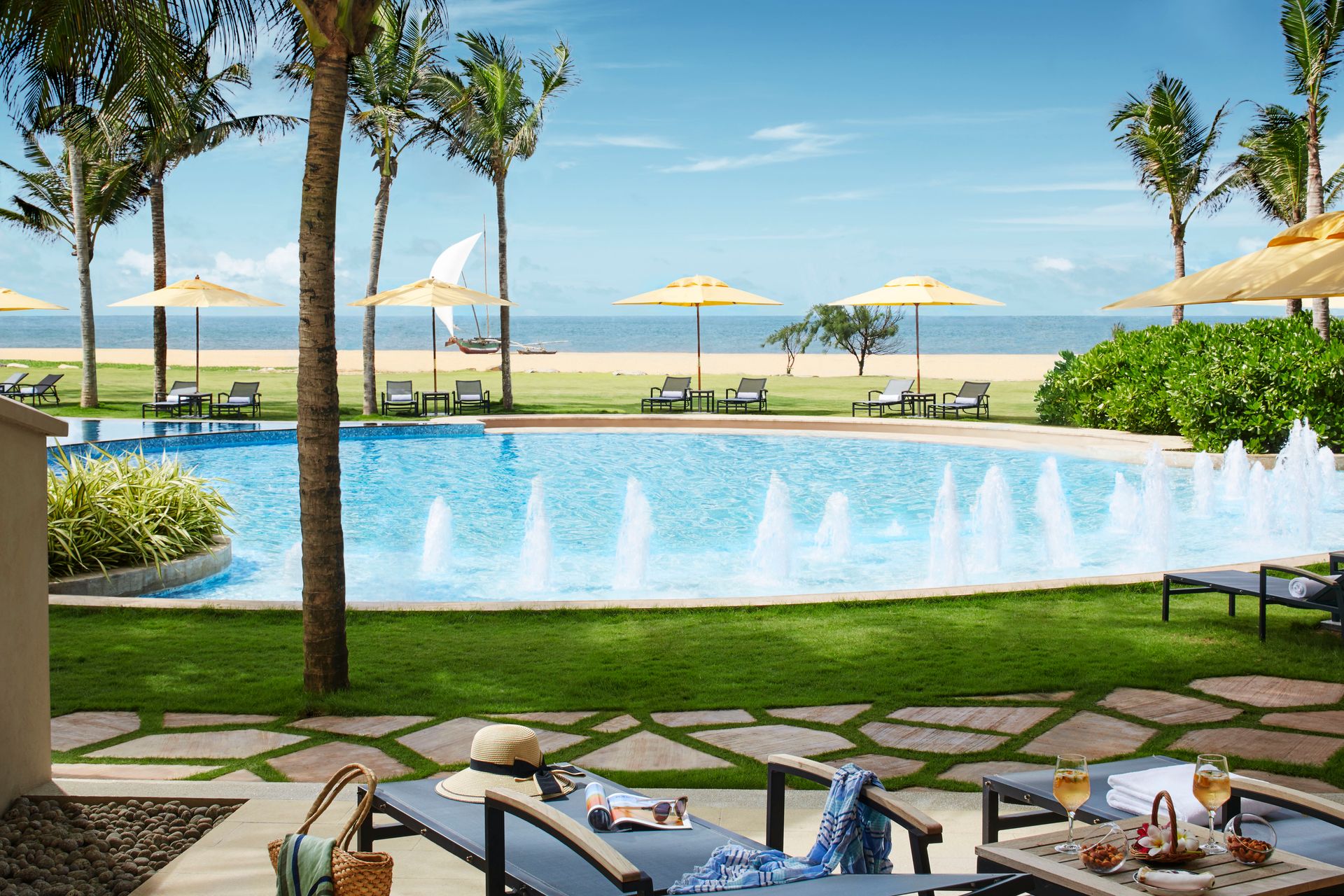 HotelSentido Heritance Negombo175 Lewis Place, Negombo, on the beach about 13 km from Bandaranaike International Airport
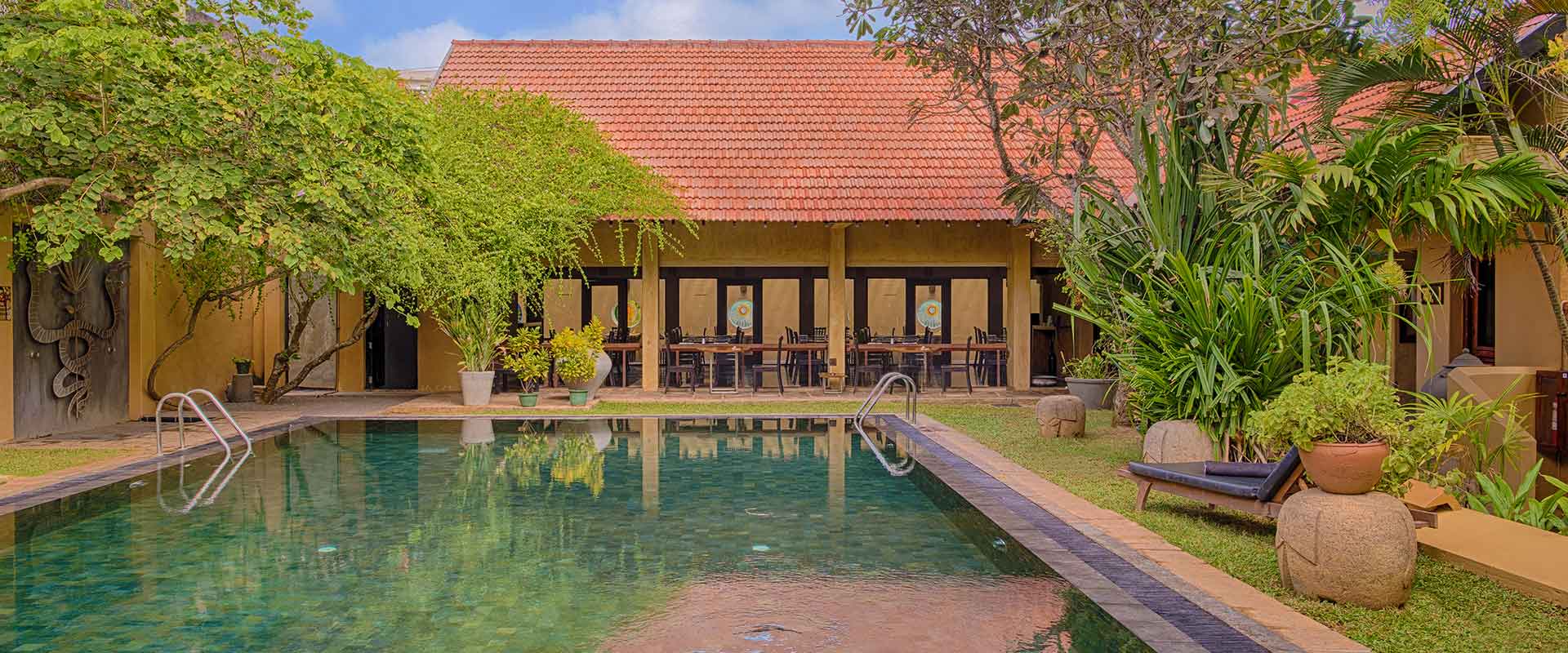 ResortJetwing Ayurveda PavilionsPorutota Road, Ethukala, Negombo, in 2 acres of gardens across the road from the beach
 HotelGoldi Sands HotelOn Negombo beach at Ethukala, about 15 minutes from Bandaranaike International Airport and 32 km from Colombo
Things to do from Negombo
 Culture and heritageAngurukaramulla Temple and its dragon gatewayAngurukaramulla is a Buddhist temple in Negombo, a town better known for its Catholic churches, and it is entered through the open jaws of a huge dragon's head, said to keep evil spirits away from the temple and its devotees. Above the gateway sits a Buddha statue 6 m tall, raised over a pool, beside a large white stupa with bronze lions at its base.
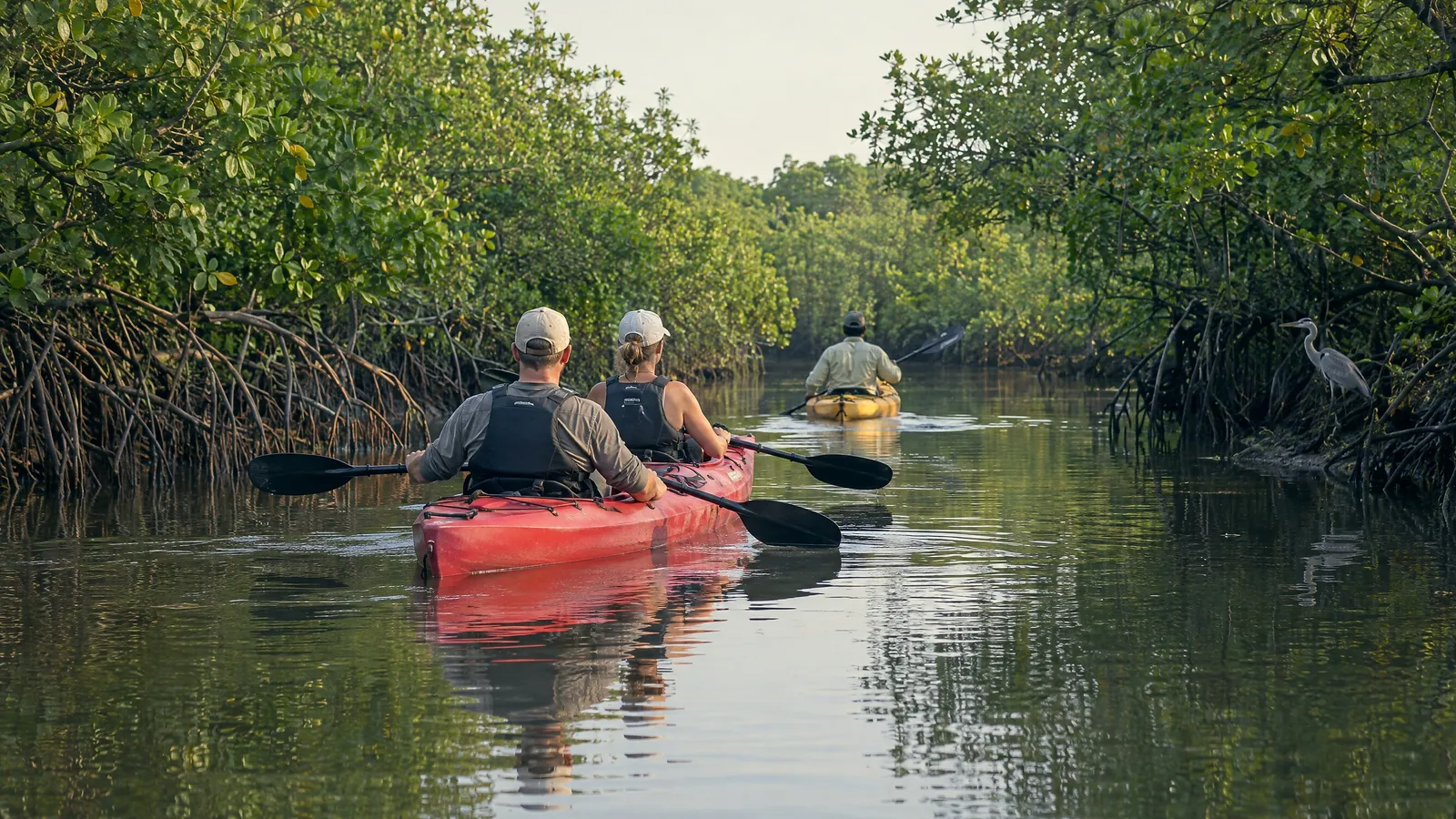 AdventureKayaking the Negombo lagoonThe Negombo lagoon is a large estuarine lagoon, joined to the sea by a narrow channel near the town and fed by small rivers and the Hamilton Canal, known locally as the Dutch canal. Its shallow channels are paddled in single or double kayaks, past mangrove islands, with cormorants, herons, egrets and kingfishers along the banks.
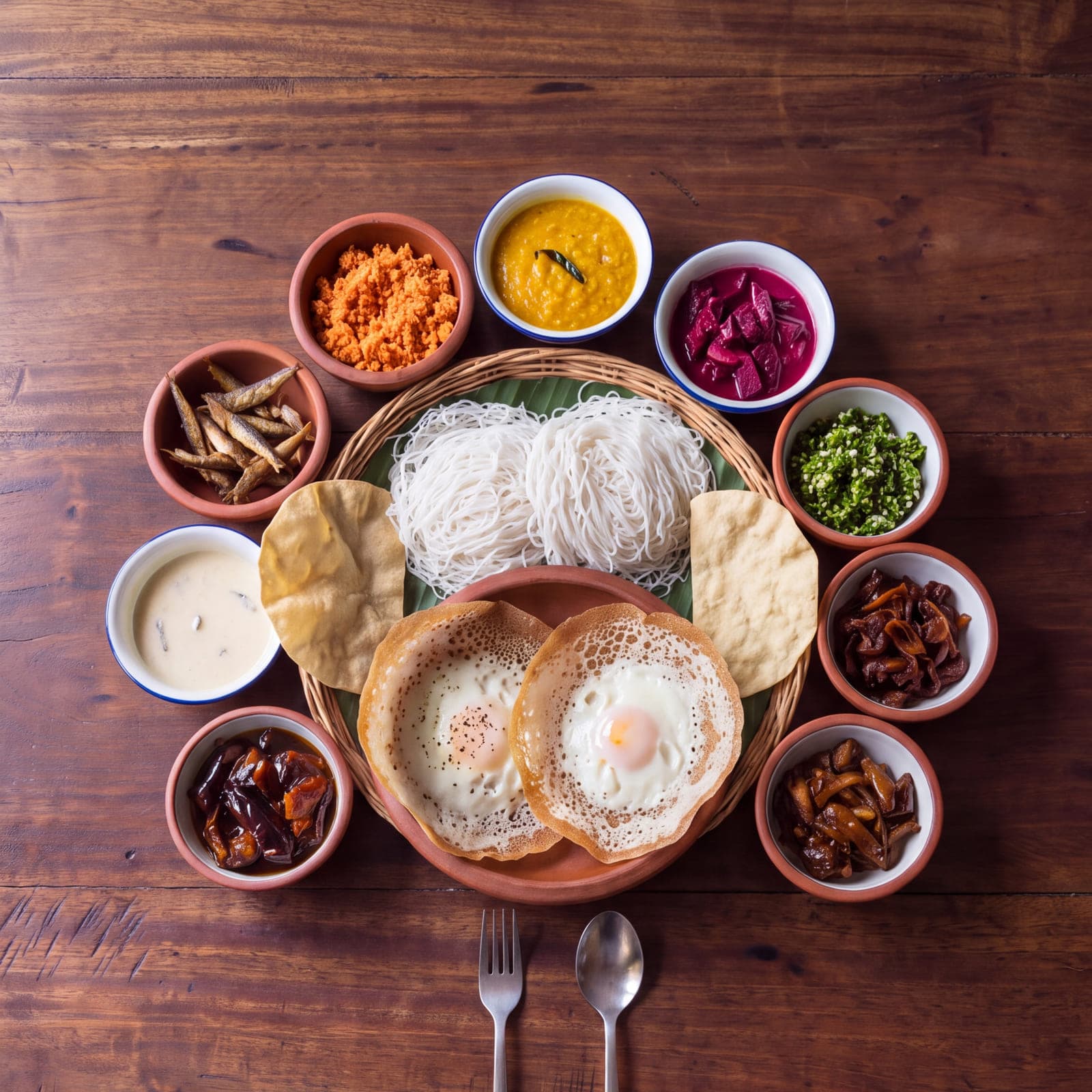
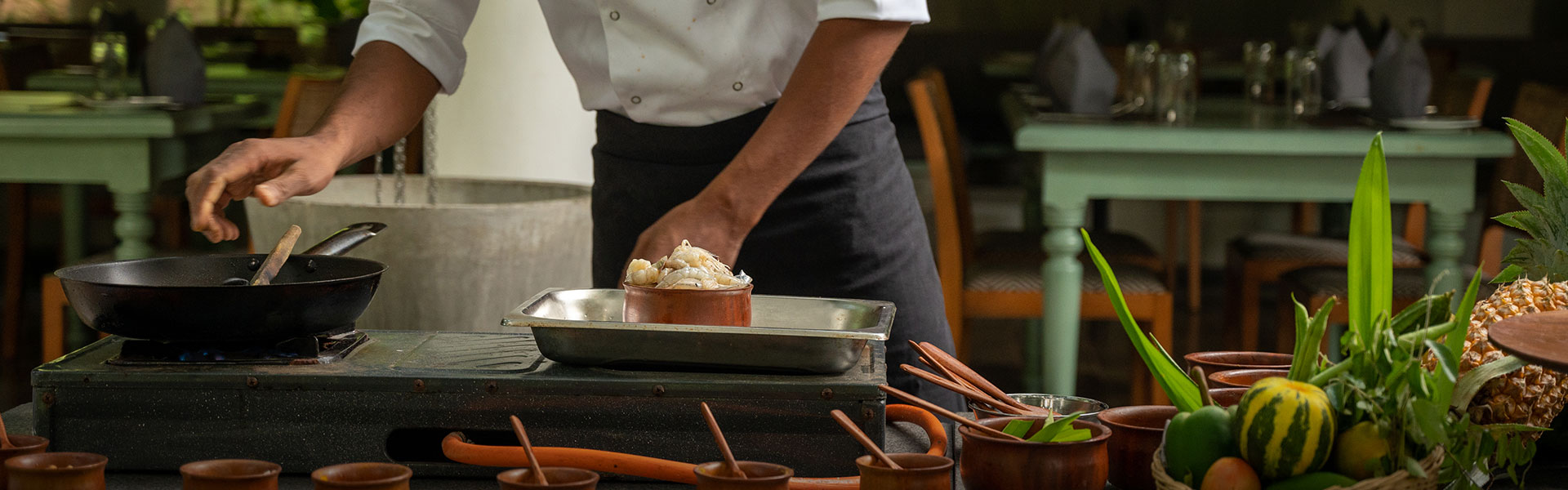 DiningA Sri Lankan cookery lesson with your hotel's chefSeveral of the lodges and hotels around Negombo and Bentota teach Sri Lankan cooking, arranged with your stay. Some keep to a demonstration by the chef of the curries served at the hotel's own table; others are hands-on, from a village-style class where the guest picks the ingredients and cooks them to a lesson in rice and curry, its spices and its traditional ingredients.
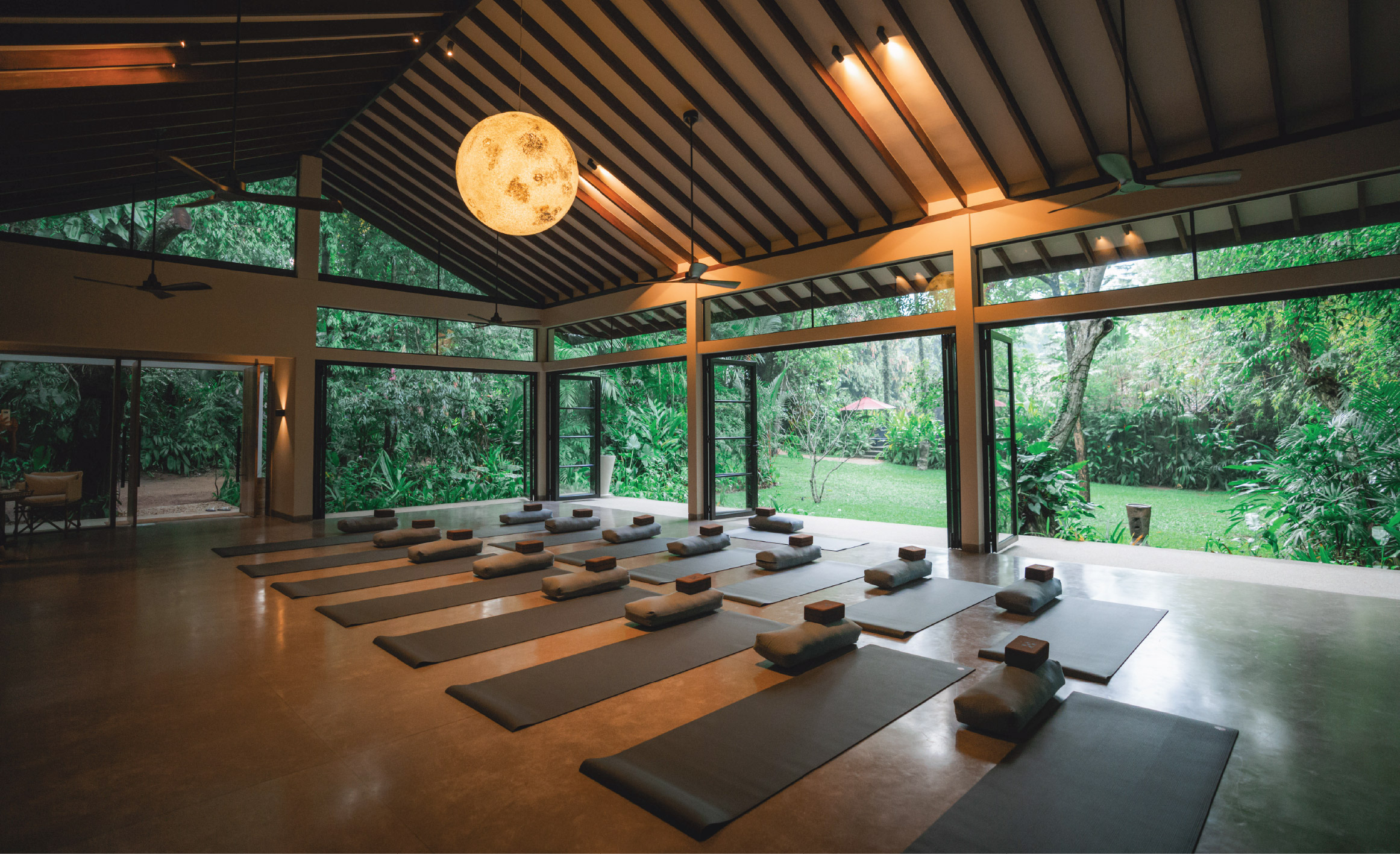 WellnessYoga and meditation with your stay on the west coastSeveral of the hotels around Negombo and Bentota hold yoga and meditation for their guests, arranged with your stay. The settings range from an open-sided yoga pavilion in a garden to the beach at dawn, and the classes suit all levels, with a focus on posture, alignment and breathing.
 Culture and heritage · 2 to 3 hours on footA walk through Colombo Fort and PettahColombo Fort is the old colonial core of the city, and Pettah, just east of it, is its busiest market district, where each street keeps its own trade. A private guide links the two on foot and reads the Portuguese, Dutch and British layers of the city from its buildings.
 Culture and heritage · about 1.5 hours for bothGangaramaya Temple and Seema Malaka on Beira LakeGangaramaya is one of Colombo's most important Buddhist temples, completed in the late 19th century near Beira Lake, and its buildings mix Sri Lankan, Thai, Indian and Chinese styles. A few hundred metres east, its meditation hall Seema Malaka stands on 3 platforms in the lake, rebuilt to a design by Geoffrey Bawa in 1976.
 Culture and heritageThe Colombo National MuseumSri Lanka's largest museum opened in 1877 in an Italianate building in Cinnamon Gardens, and holds the regalia of the Kandyan kings, including the throne of the last king of Kandy. Its galleries cover the island's cultural and natural heritage.
 Culture and heritageKelaniya Raja Maha ViharaKelaniya, 11 km north-east of Colombo, is held by Buddhists to be where the Buddha came on his third and final visit to the island, and its temple was rebuilt under King Kirti Sri Rajasinghe. It makes an easy half-day from Colombo or from Negombo.
 Nature and wildlifeThe Muthurajawela wetland by boatMuthurajawela is a 3,068 ha marsh at the southern end of the Negombo lagoon, the country's largest saline coastal peat bog, and 1,777 ha of it was declared a sanctuary in 1996. It lies about 30 km north of Colombo and close to the airport.
 Culture and heritageThe Negombo fish market at dawnNegombo has been a fishing town for centuries, and its main market, known locally as Lellama, sits at the mouth of the lagoon where the boats land their catch and it is sold from first light. Fish, prawns, crabs, lobster and squid change hands before most of the town is awake.
 Culture and heritage · about 1.5 hoursThe churches of Negombo, 'Little Rome'Negombo is known as Little Rome for its Catholic majority and its many churches, a legacy of the conversions made under Portuguese rule; there are more than 25 Roman Catholic churches in the city. The Dutch left a fort, built in 1672, and a network of canals.
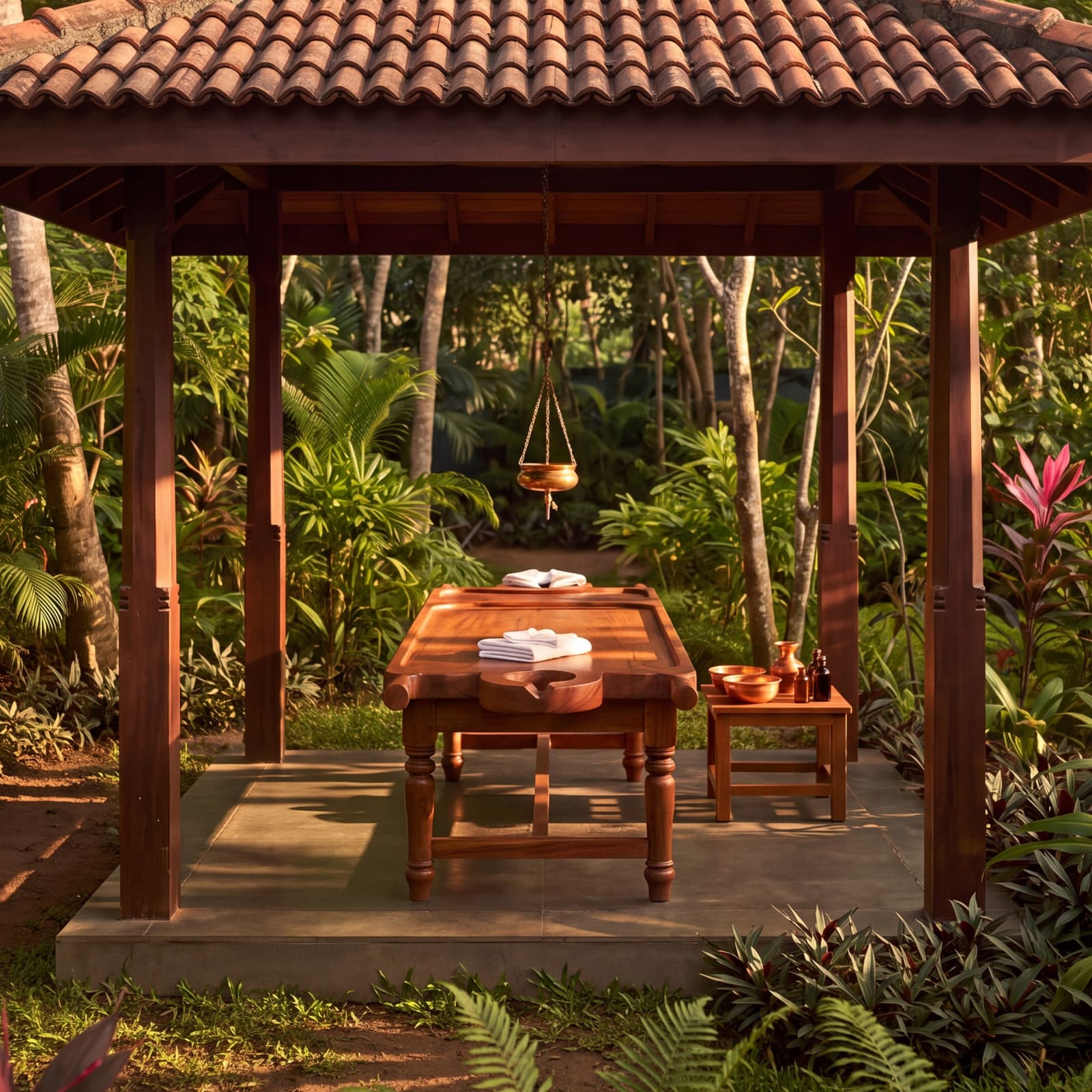
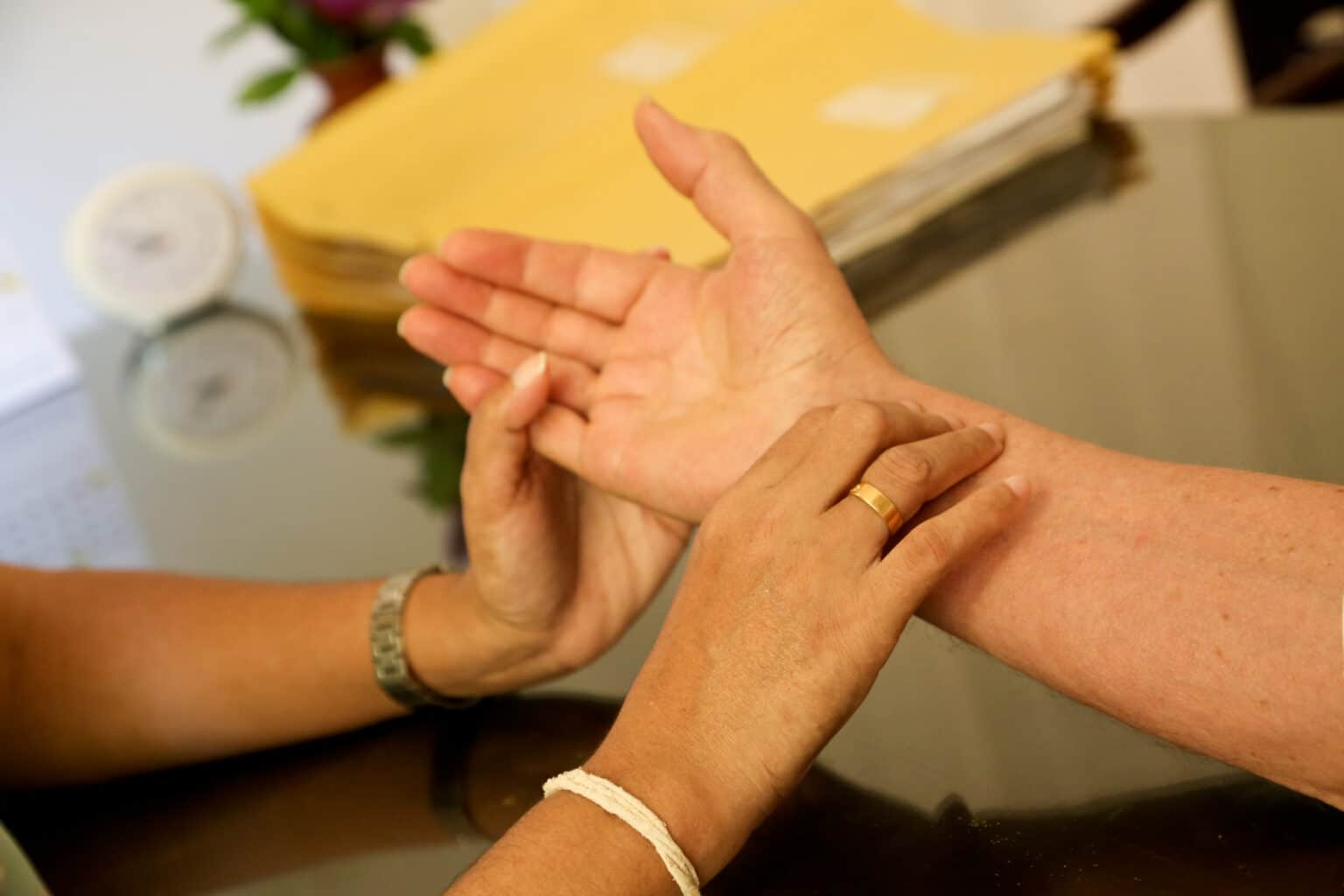 WellnessAn Ayurveda programme on the west coastSri Lanka's Ayurveda follows the same Sanskrit texts as India's but differs in the herbs it uses, and it is regulated by the state, with about 20,000 registered practitioners. The Bentota and Beruwala coast is one of the island's main centres for Ayurveda retreats.
Photographs from Wikimedia Commons: Angurukaramulla Temple and its dragon gateway: Steffen Schmitz, CC BY-SA 4.0 via Wikimedia Commons; A Sri Lankan cookery lesson with your hotel's chef: Photograph from Wallawwa's own site; Yoga and meditation with your stay on the west coast: Photograph from Wallawwa's own site; A walk through Colombo Fort and Pettah: McKay Savage, CC BY 2.0 via Wikimedia Commons; Gangaramaya Temple and Seema Malaka on Beira Lake: AKS.9955, CC BY-SA 4.0 via Wikimedia Commons; The Colombo National Museum: Hasindu2008, CC BY-SA 3.0 via Wikimedia Commons; Kelaniya Raja Maha Vihara: Jorge Láscar, CC BY 2.0 via Wikimedia Commons; The Muthurajawela wetland by boat: Senthi Aathavan Senthilverl, CC BY-SA 4.0 via Wikimedia Commons; The Negombo fish market at dawn: Tbachner, CC BY-SA 3.0 via Wikimedia Commons; The churches of Negombo, 'Little Rome': Steffen Schmitz, CC BY-SA 4.0 via Wikimedia Commons; An Ayurveda programme on the west coast: Photograph from Barberyn Resorts' own site.
Questions about Negombo
Planning with us starts with a conversation, so ask anything: a person on our team replies to every message.
Yes, for a first or last night: it is the closest town to the airport, 15 to 30 minutes away. The lagoon and its outrigger boats, the fish market and the old churches fill an easy afternoon. We use it to rest you after a long flight, or before one.
Usually a short stay at the start or end of a trip. An afternoon on the lagoon and an evening by the sea is the best of it. We time it around your flights.
It depends on your flight and where you go next. Negombo is 15 to 30 minutes from the airport, so it suits a late landing or an early start north or into the hills. Colombo is 30 minutes to an hour away and suits a day in the city or a start down the south coast. We choose it with your flight times.
December to March. The south-west monsoon, May to October, is the wet season here; December to March is driest.
By road, 15 to 30 minutes from Bandaranaike International Airport; no destination on the island is closer to it. Negombo station, in the town centre, is on the Puttalam Line.
Also in the west coast
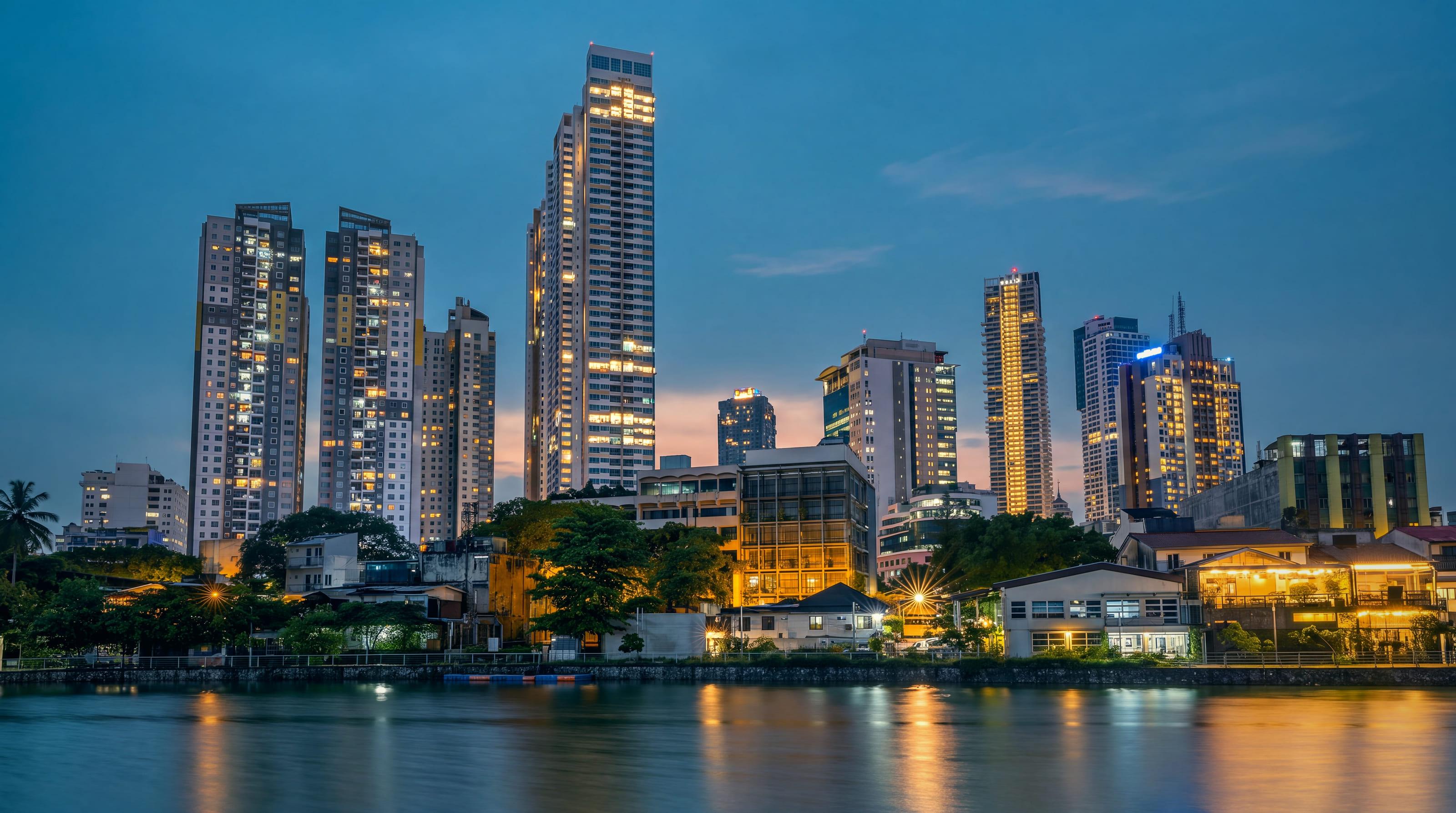
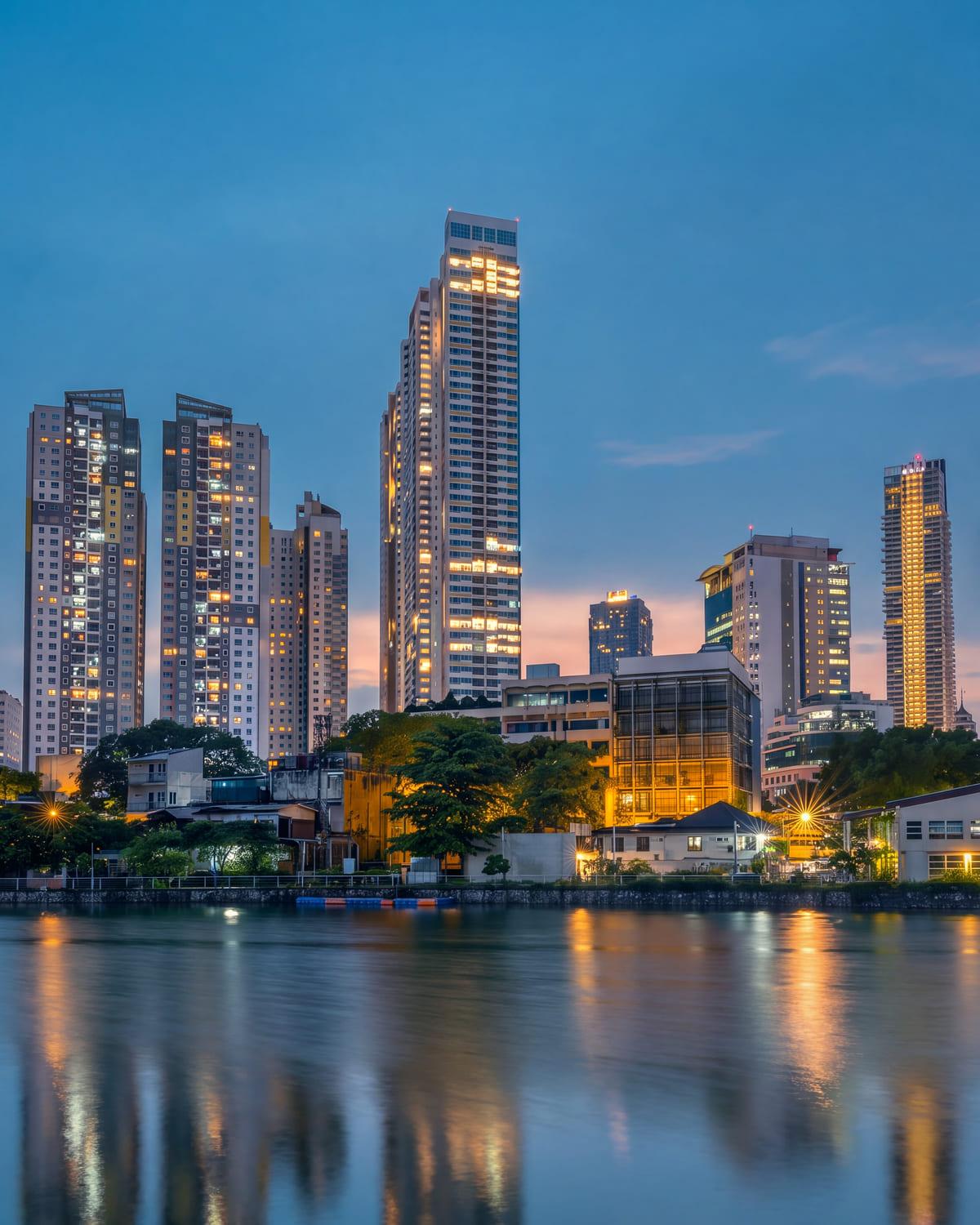
Colombo
The capital: a seafront green, a colonial fort, a city that eats well
Best December to March
- A walk through Colombo Fort and Pettah
- Gangaramaya Temple and Seema Malaka on Beira Lake
- Number 11, Geoffrey Bawa’s house in Colombo
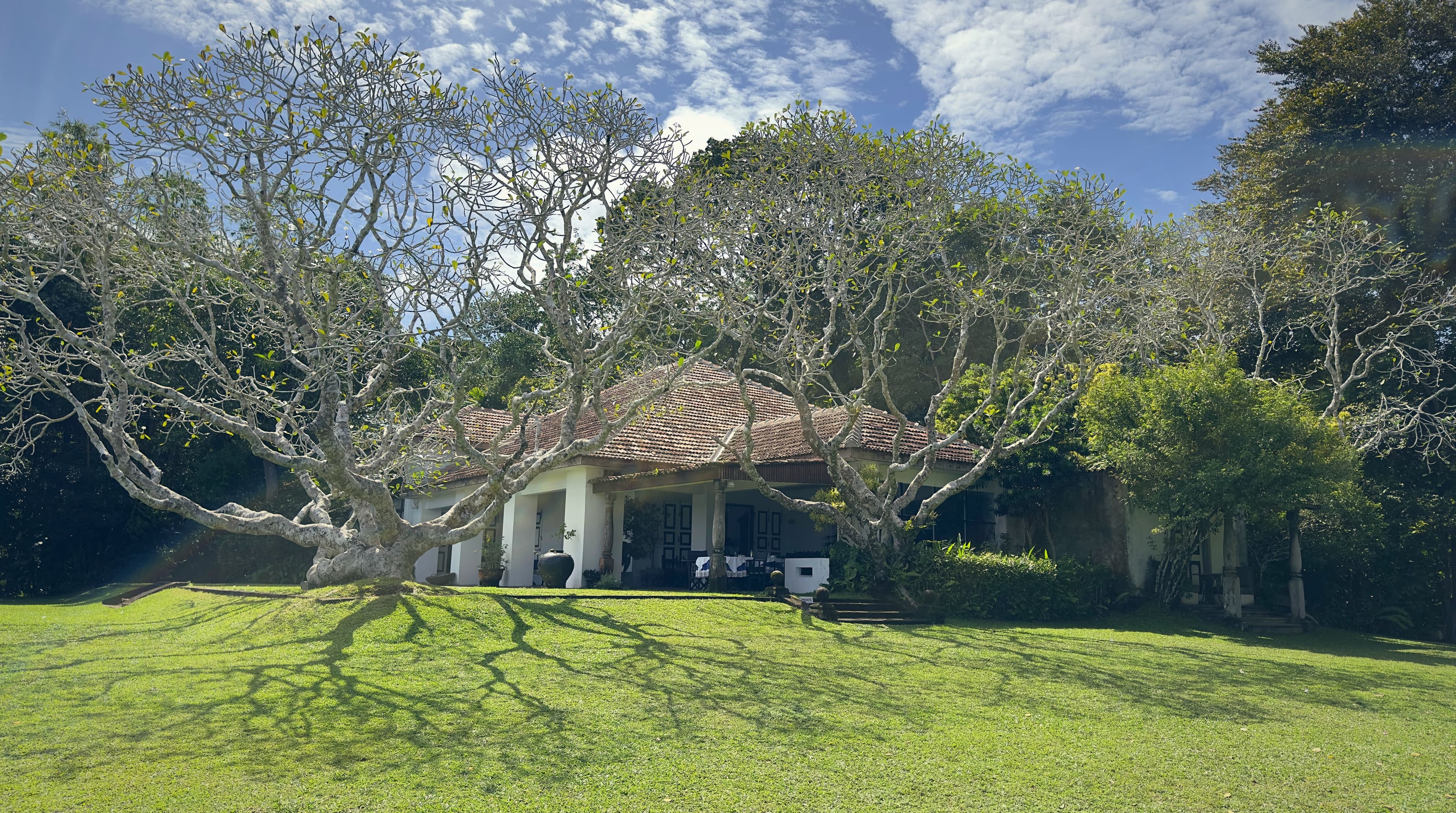
Bentota
River, beach and the Bawa gardens, an easy 2 hours from the airport
Best December to March
- Lunuganga, Geoffrey Bawa’s country garden
- Brief, Bevis Bawa’s garden
- Water sports on the Bentota river and coast
